
Glenbrook, NSW
Known For
- Blue Mountains National Park access
- Aboriginal cultural sites
- Historic railway landmarks
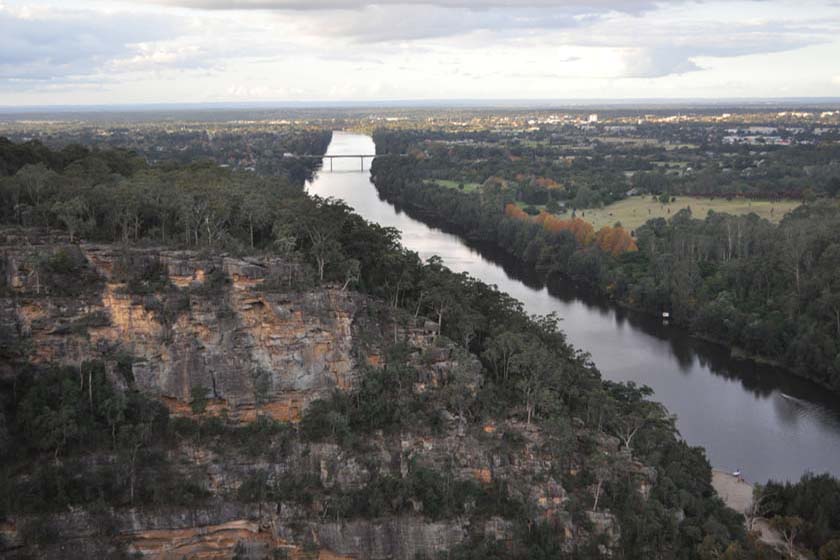
Whether you’re seeking tranquil bushwalks or glimpses into Australia’s railway history, Glenbrook delivers in spades.
Glenbrook is your starting point for some of the Blue Mountains’ most enchanting natural experiences. The Blue Mountains National Park begins here, offering a vast array of trails, picnic spots, and scenic lookouts. A standout is Jellybean Pool, a tranquil swimming hole surrounded by sandstone formations. Families and adventurers alike will enjoy exploring Glenbrook Gorge, where winding paths lead to breathtaking views and water features.
Red Hands Cave, reached by a bushwalk or a drive into the national park, provides a glimpse into the rich Aboriginal history of the area. With its ancient hand stencils, this site connects visitors to the cultural heritage of the Darug people, whose presence in this region dates back thousands of years.
Glenbrook’s origins are firmly tied to Australia’s railway expansion. Once known as Watertank, the suburb earned its name from the water tanks that serviced steam trains. Today, remnants of its railway past can still be explored. The Glenbrook Tunnel, built in 1891 and 1892, is a marvel of 19th-century engineering and a reminder of the challenges faced during the early days of railway construction.
The town’s name, which underwent several changes before settling on Glenbrook in 1879, is linked to Sir John Jamison’s exploration of the region. His discovery of a brook, thought to flow from the Prince Regent’s Glen, inspired the poetic title that defines the district today.
Things To Do
Lennox Bridge
Lennox Bridge, built in 1833, is not just a piece of Glenbrook’s history but a national treasure. Designed by David Lennox, a Scottish-born stonemason, it is the oldest surviving stone bridge on mainland Australia. Constructed with convict labor, the bridge spans Brookside Creek and was an essential part of the Great Western Highway during the colonial era.
The bridge’s single-arch design is an impressive example of early Australian engineering, showcasing Lennox’s expertise and the resourcefulness of the builders. Today, the bridge remains a popular spot for visitors interested in Australia’s colonial history. A short walk from the bridge offers scenic views of the creek and surrounding bushland, creating a perfect blend of historical and natural beauty.
Glenbrook Gorge
Glenbrook Gorge is a breathtaking natural landmark that draws outdoor enthusiasts from far and wide. Carved by Glenbrook Creek over millennia, the gorge features rugged cliffs, cascading water, and lush vegetation that create a dramatic and serene landscape.
Bushwalking trails through the gorge cater to a variety of fitness levels, with paths that lead to secluded spots offering panoramic views of the Blue Mountains. The gorge is also a favorite for rock climbers and photographers, who are drawn to its unique rock formations and ever-changing light.
For those seeking a tranquil escape, the gorge’s quiet pools and shaded areas provide a peaceful retreat from the hustle of daily life. Whether you’re hiking, birdwatching, or simply soaking in the scenery, Glenbrook Gorge offers an unforgettable connection to nature.
Jellybean Pool
Jellybean Pool is one of Glenbrook’s most beloved attractions, known for its clear waters and inviting surroundings. Nestled in the Blue Mountains National Park, this natural swimming hole is a favorite among families, couples, and solo travelers looking to cool off on a warm day.
The pool is easily accessible via a short bushwalk, making it an ideal spot for picnics and relaxed outings. Its shallow edges are perfect for children, while the deeper sections cater to swimmers looking for a refreshing dip. The surrounding sandstone cliffs and native vegetation add to the pool’s charm, creating a picturesque setting that feels a world away from the city.
While enjoying Jellybean Pool, visitors are encouraged to respect the natural environment by taking their rubbish with them and avoiding the use of soaps or chemicals in the water. This helps preserve the pool’s pristine condition for future generations to enjoy.
Red Hands Cave
Red Hands Cave is one of the most significant Aboriginal sites in the Blue Mountains, offering a glimpse into the region’s ancient history and cultural heritage. The cave, located in the national park south-west of Glenbrook, features hand stencils created by the Darug people between about 500 and 1,600 years ago. These artworks were made by blowing ochre and other natural pigments over hands placed on the rock, leaving behind striking outlines that have endured the test of time.
Visitors to Red Hands Cave can follow a well-marked trail that winds through bushland rich in native flora and fauna. Along the way, interpretive signs provide insights into the techniques and meanings behind the stencils, offering a deeper understanding of Aboriginal culture.
The cave is a sacred site, and visitors are asked to treat it with respect. Barriers protect the stencils from physical damage, but the sense of connection and awe they inspire remains unhindered. Red Hands Cave is not just a historical artifact; it’s a testament to the enduring presence and traditions of the Darug people.
Community and Culture
Glenbrook’s vibrant community spirit is reflected in its regular events and markets. The Glenbrook Rotary Markets, held on the first and third Saturdays of each month at 10 Ross Street, are a highlight, featuring artisanal goods, fresh produce, and unique crafts. These gatherings provide an excellent opportunity to connect with locals and immerse yourself in the town’s welcoming atmosphere.
Beyond its picturesque streets, Glenbrook is a cultural hub with galleries and workshops showcasing local talent. Artists often draw inspiration from the surrounding landscapes, ensuring you’ll find pieces that capture the essence of the Blue Mountains.
Euroka and the Nepean Lookout
The Bruce Road entrance to the national park is at the edge of the village, and a vehicle entry fee applies, with the gates closing in the evening. About 4 km past the gates, along an unsealed road suitable for 2WD vehicles, is the grassy Euroka clearing, where eastern grey kangaroos graze early and late in the day, and nearby a short walk leads to the Nepean Lookout over Fairlight Gorge. Some tracks and the Glenbrook causeway close after heavy rain, so check the park alerts first.
Glenbrook Cinema
The family-run cinema in the village shows new releases, classic films and special screenings, and the local theatre company Glenbrook Players stages plays there too. It opens Tuesday to Sunday, plus Mondays in the school and public holidays, and makes a good rainy-day fallback after a morning in the park.
Where To Stay
Glenbrook offers a variety of accommodation options, from cozy bed-and-breakfasts to boutique stays that reflect the local charm. Guesthouses and holiday homes in and around the village provide all the conveniences travelers expect.
Glenbrook has no motel or caravan park. For a motel, the Pioneer Way Motel is on the highway at Faulconbridge, about 13 km west, and the Royal Hotel in Springwood, about 10 km west, has pub rooms upstairs, while Penrith, 12 km east, has the widest choice of hotels and motels. For caravans and motorhomes, the nearest park is Ingenia Holidays Nepean River at Emu Plains, about 6 km away beside the river, with powered sites, cabins and a dump point open to the public for a small fee. Euroka campground, inside the national park, has walk-in tent sites only, with toilets, barbecues and picnic tables but no drinking water; book through National Parks, and note that the park entry fee is extra.
Eat & Drink
Food lovers will find plenty to savor. Local favorites like Cafe 2773 serve up hearty breakfasts and fresh coffee, making them perfect for starting your day of adventure. Ross Street, the main street of the village, has more cafes, a bakery and restaurants that open for dinner.
Cafe 2773 is the best-known stop, a busy daytime cafe for breakfast and coffee, with an undercover play area that children love, and woodfire pizza, cocktails and live music on Thursday, Friday and Saturday nights. Kickaboom, a few doors along Ross Street, runs to inventive breakfasts and lunches with specialty coffee, and the Rotary markets on the first and third Saturdays have food stalls and coffee. For a pub meal, the Lapstone Hotel is on the highway at Blaxland, about 3 km west, with a bistro open for lunch and dinner daily serving woodfired pizzas, steaks and a kids’ menu. Fuel is on the highway at the Ross Street corner, Glenbrook has its own FoodWorks, and the big chain supermarkets are at Emu Plains and Penrith.
Cafe 2773, in an old house with a garden, is Glenbrook’s longest-running cafe, and on Friday nights kids eat free. Kickaboom is run by a former Australian AeroPress champion who rotates the roasters, with Southeast Asian touches on the menu (no bookings); the two took gold and silver for the area in the 2025 Ask Roz cafe awards. Con’s Patisserie, just off Ross Street on Park Street, bakes French-style croissants, danishes and cakes, Dolly’s Donuts on Wascoe Street fills brioche doughnuts with flavours like bee sting and blueberry cheesecake (they often sell out), and Balliminos is a family-run, licensed Italian cafe and pizzeria open seven days. Glenbrook has no pub, but Panthers Glenbrook’s Flavours bistro on Hare Street looks over the bowling greens and has bands on Saturday nights. The Rotary markets, in the primary school grounds, include a big second-hand book fair and have raised more than $300,000 for charity since 2004. The independent FoodWorks was named NSW Local Store of the Year for 2025, and Laughin’ Boy, 2773’s sister cafe on the Nepean River at Emu Plains, is ten minutes away.
History
Glenbrook is on Darug (Dharug) country. Blaxland, Lawson and Wentworth passed the lagoon here in 1813, and William Cox’s road followed in 1815. When the railway arrived, the steam engines took on water piped from the lagoon, and the stop was later called Wascoe’s Siding and then Brookdale, before becoming Glenbrook in 1879; the village was proclaimed under that name in 1885. A new double-track deviation and the present station followed in 1913, and the old tunnel stored mustard gas in World War II and was later used to grow mushrooms.
Getting to Glenbrook
Glenbrook is about 63 km west of Sydney via the M4 Motorway and Great Western Highway, around 55 minutes in light traffic, on sealed, divided roads that suit caravans. Penrith is 12 km east and Katoomba about 40 km west. Glenbrook station is on the Blue Mountains Line, run by Sydney Trains, a little over an hour from Central, and the national park entrance on Bruce Road is a short walk from the station.
FAQ
What is the best time to visit Glenbrook?
The best time to visit Glenbrook depends on what you’re looking for. Spring and autumn offer mild weather, making them ideal for outdoor activities like bushwalking. Summer is great for enjoying swimming spots, while winter provides a quieter experience with cozy indoor options in town.
Are there family-friendly activities in Glenbrook?
Yes, Glenbrook has plenty of family-friendly options, including parks, playgrounds, and easy walking trails. The Glenbrook Heritage Walk is a great choice for families looking for a gentle stroll while learning about the area’s history and natural features.
How do I get to Glenbrook from Sydney?
Glenbrook is easily accessible from Sydney by car or train. By car, it’s about a 1-hour drive along the Great Western Highway. Alternatively, regular trains from Central Station stop at Glenbrook, making it a convenient option for a day trip or weekend getaway.
What wildlife can be spotted in Glenbrook?
Glenbrook is home to a variety of wildlife, including kangaroos, wallabies, and native bird species such as kookaburras and cockatoos. Visitors to areas like Euroka Clearing or the Blue Mountains National Park are likely to encounter these animals in their natural habitat.
Are there any guided tours available in Glenbrook?
Yes, guided tours are available and cover a range of interests, from bushwalking to historical explorations. Local tour operators provide insights into the natural and cultural significance of the area, ensuring a richer and more informed experience.
Can I camp in or near Glenbrook?
Camping is possible in nearby areas of the Blue Mountains National Park. The Euroka Clearing campground is a popular choice, offering basic facilities and a chance to sleep under the stars surrounded by nature.
Experiences
- Caravan and Camping
- Historic/Heritage
- Nature based
Popular Activities
- Bush Walking
- Caravan and Camping
- National Park
- Swimming
- Wildlife
About Glenbrook
- Locality: Suburb
- Glenbrook Postcode: 2773
- State: New South Wales
- Region: Blue Mountains
- Latitude: -33.76802
- Longitude: 150.62169
- Elevation: 183m
- Population: 5051
- Median Income: $43992
- Area (Sq/km): 6.995
- Timezone: Australia/Sydney
