
Quobba and Red Bluff, WA
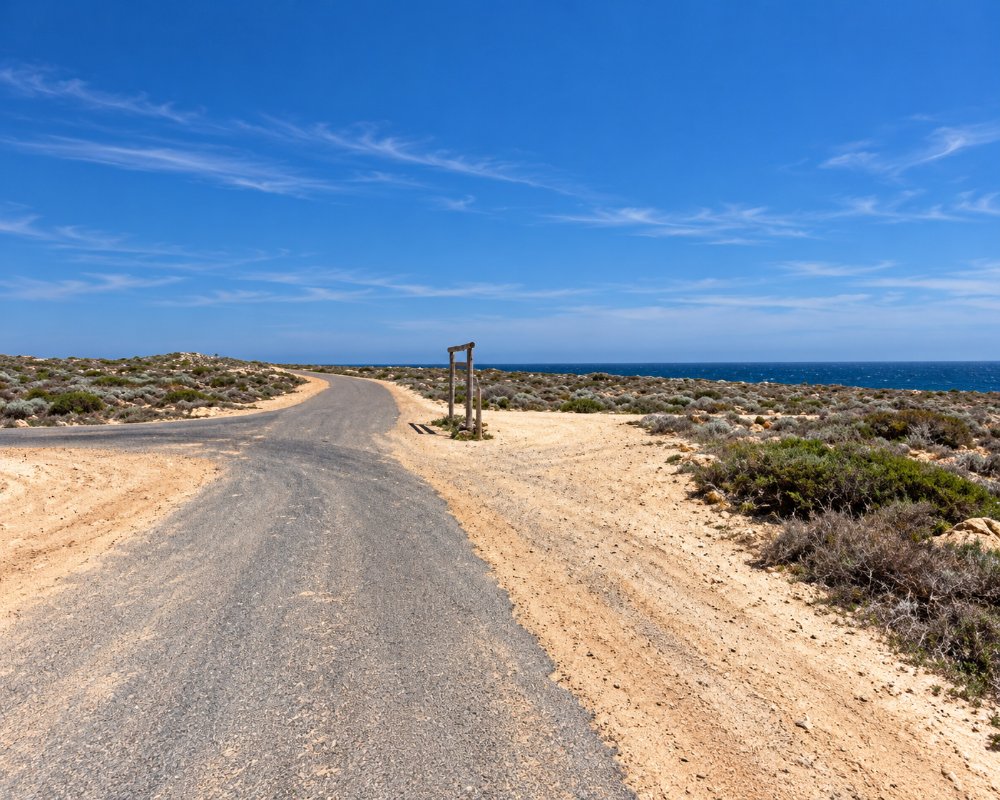
Quobba Station stretches along the rugged coast north of Carnarvon, from the Point Quobba Blowholes to the surf break at Red Bluff. Here the Indian Ocean surges against limestone cliffs, sending jets of water up to 20 m into the air, while sheltered lagoons offer calm snorkelling. Further north, Red Bluff is a famous left-hand reef break for experienced surfers.
This is Yinggarda country. Quobba claims to be the most westerly station in Australia, and its coastal camping areas, reached by unsealed roads, are popular with caravanners and anglers who come for the fishing, whales and wild scenery.
Known For
- The Point Quobba Blowholes
- Red Bluff, a world-class left-hand surf break
- Rock fishing, whales and coastal station camping
Things To Do in Quobba
Point Quobba Blowholes
At the Blowholes, ocean swells force water through holes in the limestone, shooting jets high into the air, especially with a big swell. A pass system for the area began in 2025.
Snorkel the lagoon
A sheltered lagoon a short way south of the Blowholes is good for snorkelling among coral and fish.
King Waves Kill
At the end of the Blowholes road, the King Waves Kill sign and memorials remember rock fishermen swept off the cliffs. Take the warnings seriously and stay well back from the edge.
Fishing and whale watching
Rock and beach fishing is popular, and humpback whales pass from about late May to October.
Surf Red Bluff
Red Bluff, about 125 km north of Carnarvon, is a powerful left-hand reef break for experienced surfers only.
History along the coast
A memorial cairn recalls HMAS Sydney, whose enemy Kormoran’s survivors came ashore near here in 1941, and the wreck of the Korean Star lies on the coast.
Where To Stay
The Shire of Carnarvon runs the Blowholes campground, where bookings are required for all overnight stays and a day pass applies; there is no drinking water. Quobba Station Homestead has unpowered and powered sites, with limited power, a camp kitchen, solar-heated showers, toilets and rubbish collection; its waterfront dune sites are not suitable for dual-axle caravans. Pets on a lead are allowed, but beware of 1080 baits.
Red Bluff has unpowered caravan and camping sites spread over the bluff, long-drop toilets and a dump point near the entrance, but no water or power; a small store opens from April to October. The road is sealed to the Blowholes, then unsealed and variable to the homestead and Red Bluff; if you are towing and unsure, base at Quobba and check the road first. There is no fuel; fill up in Carnarvon.
Eat & Drink
The Quobba homestead store sells tinned and dry groceries, ice, bait, cold drinks and ice creams from late morning to mid-afternoon, and the cash-only Red Bluff store sells bread, ice, bait and smoothies from April to October. Neither is a café, so bring everything from Carnarvon.
History
Quobba Station was established in 1898 by Charles Augustus Fane as Point Charles Station, and the Meecham family took over in 1977. In 1941, survivors of the German raider Kormoran came ashore on this coast after the battle with HMAS Sydney. In 2015 coastal land was set aside for conservation and tourism. Cyclone Narelle closed the coast road in March 2026, and it reopened soon after.
Getting to Quobba
From Carnarvon, drive north on the North West Coastal Highway and turn west onto the sealed Blowholes Road, about 75 km to the Blowholes. From there the unsealed road runs about 10 km to Quobba Homestead and about 60 km more to Red Bluff. Check road conditions with the Shire of Carnarvon.
The best time to visit is April to October, when the weather is mild and whales pass by. Summers are hot and windy, with cyclones possible.
Experiences
- Remote
- Rural/Country
- Self-Drive
Popular Activities
- Caravan and Camping
- Driving
- Fishing
- Sightseeing
About Quobba and Red Bluff
- Locality: Rural locality
- Quobba and Red Bluff Postcode: 6701
- State: Western Australia
- Region: Exmouth & the Coral Coast
- Latitude: -24.3955
- Longitude: 113.4100
- Timezone: Australia/Perth
