
Keilor, VIC
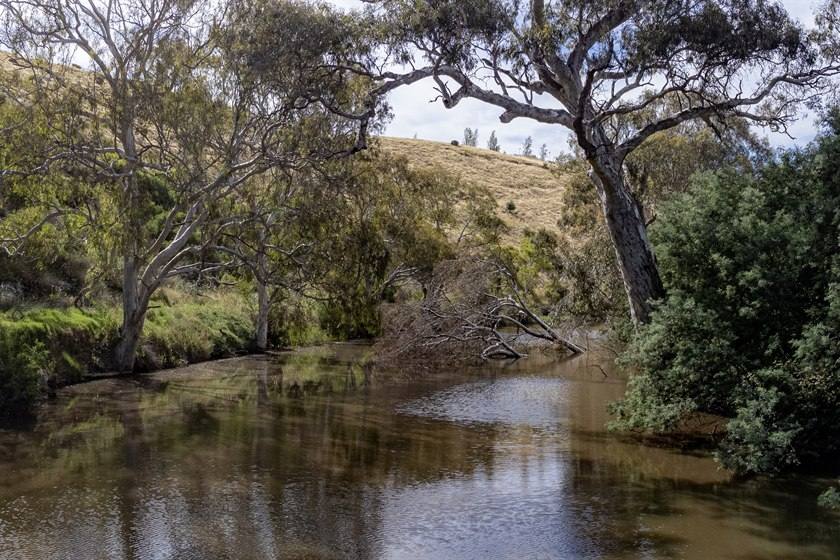
Keilor is an old village on the Maribyrnong River, 16 km north-west of the city centre, now surrounded by suburbs and divided by the Calder Freeway. About 5,900 people live here.
It was a stopping place on the road to the goldfields in the 1850s, and people have lived in this river valley for tens of thousands of years.
Known For
- Brimbank Park on the Maribyrnong River
- The historic Keilor Hotel
- Organ Pipes National Park nearby
Things To Do in Keilor
Brimbank Park
This large park in a bend of the river has more than ten kilometres of walking and cycling tracks, a link to the Maribyrnong River Trail, an all-abilities playground, free gas barbecues and a cafe at the visitor centre. It opens daily from 6 am. Dogs are allowed on a lead in most areas.
Organ Pipes National Park
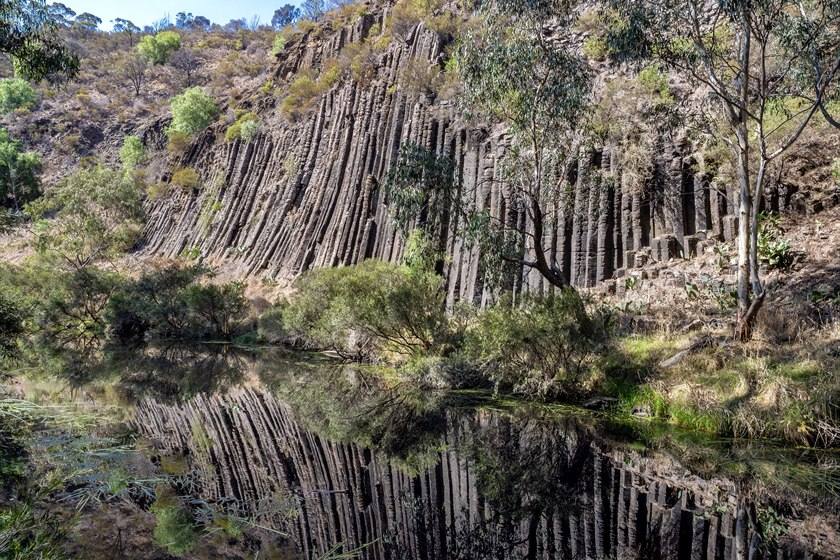
A few minutes up the Calder Freeway at Keilor North, in Organ Pipes National Park, a short but very steep path leads down to a wall of basalt columns beside Jacksons Creek, with Rosette Rock and the Tessellated Pavement a little further on. Entry is free and dogs are not allowed.
Keilor Village
The old village centre keeps the Keilor Hotel, a coaching inn of the gold-rush years, and an iron bridge of 1868 over the river.
Overnewton Castle
William Taylor remodelled his homestead as a Scottish baronial mansion in 1859. It is a private function venue that runs guided tours and high teas on set days; book ahead.
Maribyrnong River Trail
From Brimbank Park a shared path follows the river downstream for about 25 km, through Essendon and Footscray towards the bay. It is one of the longest riverside rides in Melbourne and is almost all off the road.
Where To Stay
Keilor has little accommodation of its own; there are motels and hotels around the airport and at Essendon Fields.
The nearest caravan park is at Braybrook, about 12 km south.
Eat & Drink
The Keilor Hotel serves lunch and dinner in its bistro every day, and the cafe at Brimbank Park is open during park hours.
History
This is Wurundjeri country, and finds in the river terraces show that people have lived here for about 40,000 years. James Watson settled in 1838 and named the place after a farm in Scotland. William Taylor bought his estate in 1849. In the 1850s Keilor was a stop on the road to the Bendigo and Castlemaine diggings; a post office opened in 1854 and the iron bridge was built in 1868.
Getting to Keilor
Take the Keilor exit from the Calder Freeway, about 25 minutes from the city. The nearest stations are Keilor Plains and Watergardens on the Sunbury line, with buses from there.
Experiences
- City
- Historic/Heritage
- Nature based
- Rural/Country
Popular Activities
- Bush Walking
- Cycling
- Driving
- National Park
- Sightseeing
