
Holleton, WA
Holleton, a small locality in Western Australia’s Wheatbelt region, offers a fascinating mix of history and natural beauty. Situated approximately 290 km east of Perth, this area was once a bustling goldfield and is now a tranquil escape for history buffs and nature lovers alike.
Known For
- Historic gold mining sites
- Important bird habitats
- Quiet rural landscapes
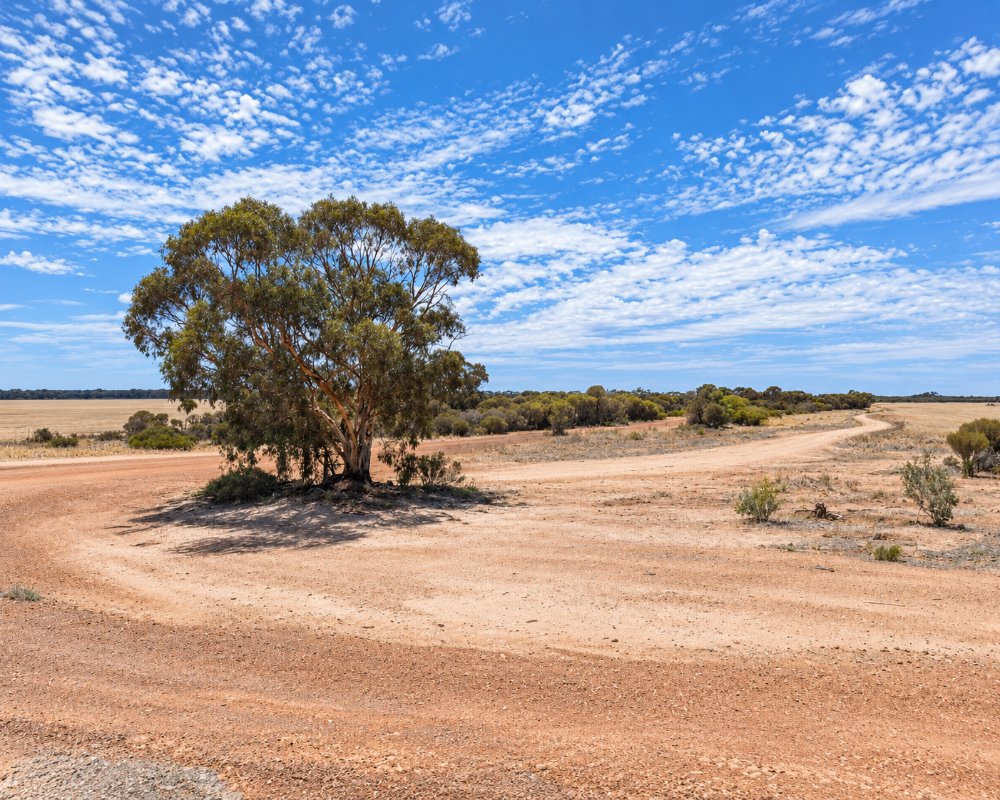
Holleton is a remote bush and mining locality in the south-west of the Shire of Yilgarn, about 75 km east of Narembeen beyond Mount Walker and roughly 60 km north-north-east of Hyden, with Southern Cross to the north. The last stretch is on gravel, and there are no services at all, so it suits a well-prepared day trip.
Things To Do in and around Holleton
Gold Mining Relics
Today, visitors to Holleton can explore these historic goldfields, with traces of mining activity visible across the landscape. The weathered remnants of the past provide a tangible connection to a bygone era, making it a compelling destination for history enthusiasts.
Outdoor enthusiasts can immerse themselves in Holleton’s rustic charm through activities like bushwalking, photography, or simply soaking in the natural beauty. Exploring the gold mining relics scattered across the area adds an element of adventure to any visit.
Neendojer Rock Nature Reserve
Holleton is surrounded by expansive bushland, offering an escape into nature. The Neendojer Rock Nature Reserve, located nearby, is a vast area of protected land that invites visitors to walk among its native flora and fauna. This serene environment serves as a retreat for anyone seeking quiet moments and a chance to reconnect with the outdoors.
Malleefowl and Woodland Birds
Birdwatchers will find Holleton particularly appealing due to its designation as an Important Bird Area (IBA). Home to species like the malleefowl, blue-breasted fairywren, and western yellow robin, the region is a haven for avian enthusiasts. Whether you’re an experienced birder or simply curious, this is an excellent spot for observing rare and unique species.
The Important Bird Area covers about 32,000 hectares of acacia and sheoak shrubland with eucalypt woodland, one of the largest unbroken blocks left in the Wheatbelt, and malleefowl records led to its listing. Look also for rufous treecreepers and purple-gaped honeyeaters, keep to the tracks and leave the mounds alone.
Mount Walker Water Reserve
About 45 km east of Narembeen on the way to Holleton, a dam built in 1971 supplies the Mount Walker farms. Tall eucalypts shelter plenty of birds, and there are picnic tables, toilets and barbecues, so it is a good place to break the trip.
Hidden Hollow and Roe Lookout
On the drive from Narembeen, Hidden Hollow, 30 km east of town, has a granite amphitheatre and spring wildflowers. Roe Lookout, about 8 km from Narembeen, has district views, but the steep road to the top is not for caravans, so park below and walk up.
Wave Rock
South-west of Holleton, Hyden’s Wave Rock is a 15-metre granite wave with Hippo’s Yawn and Mulka’s Cave nearby, and the obvious base for a loop through this country.
Where To Stay
Although Holleton’s accommodations are sparse, nearby towns like Narembeen and Hyden offer options ranging from budget-friendly motels to more comfortable stays. There are no campgrounds in the surrounding nature reserves, so base yourself in Narembeen or Hyden and visit on a day trip.
The closest caravan park is the Shire-run Narembeen Caravan Park on Currall Street, about 70 km west, which has a free dump point and free 72-hour parking for self-contained RVs. The roads into Holleton end in gravel, so fill up with fuel and water in Narembeen.
Narembeen Caravan Park on Currall Street has 11 powered sites, unpowered space, one- and two-bedroom cabins, a new ablution block and a camp kitchen, and Narembeen also has the Morning Sun Motel on Thomas Street. At Hyden, the Wave Rock Caravan Park at the base of the rock has powered and unpowered sites and cabins, and the town has the Wave Rock Hotel. Carry enough water and fuel for the round trip.
Nearby reserves and parks provide opportunities for picnicking. While Holleton itself is remote, its quiet atmosphere offers a unique opportunity to enjoy the simplicity of rural life away from urban distractions.
Eat & Drink
Dining in Holleton itself is limited, but nearby towns feature local eateries that serve hearty meals. In Narembeen, for instance, the local pub and cafes offer a taste of country hospitality. Travelers can also bring their own supplies to enjoy meals amidst Holleton’s scenic backdrop.
Basic amenities are available in neighboring towns, so visitors should plan accordingly before heading to Holleton. Packing essentials and fuel is highly recommended for a hassle-free trip.
Holleton has nothing to buy, so bring everything. In Narembeen, the roadhouse on Currall Street sells fuel, food and drinks from early morning to evening, Narembeen Cafe on Churchill Street does weekday breakfast and lunch, and the Narembeen Hotel serves dinner every night and lunch towards the weekend. At Hyden, the Wave Rock complex has a cafe and kiosk, and the Wave Rock Hotel serves pub meals.
History
Holleton’s story began in 1924 when Alf Heaton and Joe Hollows discovered gold in the region. What followed was a gold rush that led to the establishment of several mines, such as the Great Beacon and Glenelg Queen. During its heyday, the area, initially referred to as Glenelg Hills, drew miners and prospectors from far and wide. By the 1930s, prominent operators like the Calzoni brothers were leading mining operations, leaving behind remnants of equipment and stories of grit and perseverance.
Holleton lies between the Njaki Njaki Noongar country to the west, around Hyden and Narembeen, and the Kalaamaya country around Southern Cross. Gold was found in the Glenelg Hills, about 50 miles south of Southern Cross, in the 1920s, and the field, later called Holleton, had mines such as the Glenelg Queen and the Great Beacon. A farmer found Symes Find, about 10 km to the north-east, in 1941. Small-scale mining faded after the Second World War, and the area is still held under mining tenements.
Getting to Holleton
Holleton is accessible by road from Perth, taking roughly four hours or more. The journey involves traveling through the Wheatbelt’s picturesque landscapes. The most straightforward route is via Mount Walker Road, followed by local roads leading directly to Holleton. Travelers should note that the final stretch includes unsealed roads, making a sturdy vehicle essential.
The usual route is to Narembeen, about 290 km on sealed roads, then east past Mount Walker on local roads for about 75 km. A 4WD or high-clearance vehicle is wise after rain, large caravans are better left in Narembeen, and it is worth checking Shire of Yilgarn road conditions before you go.
Experiences
- Historic/Heritage
- Nature based
- Remote
Popular Activities
- Bird Watching
- Bush Walking
- Off Road Driving
- Outback
About Holleton
- Locality: Rural locality
- Holleton Postcode: 6426
- State: Western Australia
- Region: Esperance & the Golden Outback
- Latitude: -31.93578
- Longitude: 119.07539
- Elevation: 458m
- Area (Sq/km): 392.712
- Timezone: Australia/Perth
