
Flinders Chase, SA
Flinders Chase National Park, a treasure trove of natural beauty on Kangaroo Island, is a destination where rugged landscapes meet untouched wilderness. Known for its iconic rock formations, diverse wildlife, and striking coastline, this national park offers an escape that feels worlds away from the everyday.
Known For
- Remarkable Rocks and Admirals Arch
- Abundant native wildlife, including kangaroos and koalas
- Coastal hikes and secluded beaches
Things To Do in Flinders Chase
Flinders Chase is synonymous with its iconic landmarks: Remarkable Rocks and Admirals Arch. These natural sculptures have been shaped by centuries of wind and sea, offering visitors a glimpse of nature’s raw power and artistry.
Remarkable Rocks, perched on a granite dome, are a photographer’s dream. Their weathered, orange-streaked surfaces create dramatic contrasts against the endless blue of the ocean. Just a short drive away lies Admirals Arch, a rugged rock bridge where you can witness fur seals basking on the shoreline below. The constant crashing of waves against these ancient structures is a reminder of the park’s timeless appeal.
Beyond the visuals, these landmarks provide an opportunity to connect with Kangaroo Island’s geological history. Interpretive signs along the paths offer insight into the forces that shaped this dramatic landscape, making each visit as educational as it is inspiring.
Flinders Chase Wildlife
Wildlife lovers will find Flinders Chase to be a sanctuary for some of Australia’s most beloved species. Kangaroos, koalas, echidnas, and a variety of bird species roam freely, creating opportunities for unforgettable encounters.
The park’s koala population, one of the healthiest in Australia, thrives in the eucalyptus-lined trails of the park. Early mornings and late afternoons are the best times to spot kangaroos grazing in the open grasslands, while the elusive echidna may be seen foraging along quieter paths.
Flinders Chase is also a haven for birdwatchers. Species like the glossy black cockatoo, Cape Barren goose, and wedge-tailed eagle can all be found here. Bring your binoculars for a closer look, and remember to keep a respectful distance from all animals to ensure their safety and yours.
Hiking Trails
Flinders Chase is a hiker’s paradise, offering trails that range from leisurely strolls to challenging treks. The Snake Lagoon Trail is a favourite among visitors, leading you through scenic bushland to a secluded beach where the lagoon meets the ocean. For those seeking a longer adventure, the Kangaroo Island Wilderness Trail provides a multi-day journey through the park’s most remote and breathtaking landscapes.
Each trail offers a unique perspective of the park’s diverse ecosystems, from dense forests and grassy plains to rugged cliffs and sandy shores. Along the way, you’ll discover hidden coves, tidal pools, and stunning viewpoints that make every step worthwhile.
Visiting Flinders Chase
Start at the visitor centre on the South Coast Road at Karatta, which opened in 2024 to replace the one lost in the 2020 fires and has a cafe and park information. A one-day entry costs about $15 for an adult and $40 for a family (two-day passes are also sold), and the park is open every day. The sealed road runs to Remarkable Rocks and Admirals Arch; most other park roads are unsealed. Campgrounds at Rocky River, Snake Lagoon, West Bay and Harveys Return are booked online, and Rocky River, the main one, takes camper trailers and caravans. The five-day Kangaroo Island Wilderness Trail, 61 kilometres long, reopened in December 2023. The nearest fuel is sold 24 hours a day at Discovery Parks – Kangaroo Island, a few minutes east on the South Coast Road, and the nearest groceries are at the Vivonne Bay General Store, about 30 minutes east.
Flinders Chase is open year-round, but the experience changes with the seasons. Spring brings vibrant wildflower displays, while autumn offers cooler weather perfect for hiking. Be sure to pack sturdy footwear, sunscreen, and plenty of water, as the park’s remote nature means facilities are limited.
Accommodations near the park range from eco-friendly lodges to comfortable campgrounds. The new Flinders Chase visitor centre and Rocks Cafe, opened in July 2024, now stand just outside the park entrance on the site of the former Kangaroo Island Wilderness Retreat.
Marine Wonders
Flinders Chase’s coastal allure extends beyond its dramatic cliffs and secluded beaches. The marine life surrounding Kangaroo Island is equally captivating, making it a top destination for ocean enthusiasts.
Seal Bay, located nearby, is home to one of Australia’s largest sea lion colonies. Visitors normally watch these playful creatures from the boardwalk or on guided beach tours, though beach access has been paused since July 2026 to protect the colony from bird flu, so check before you go. Meanwhile, snorkelers and divers can explore the island’s underwater world, teeming with colourful temperate reefs, schools of fish, and even the occasional dolphin or ray.
For those staying dry, whale-watching opportunities abound during the winter months when southern right whales migrate through these waters. Viewing platforms and coastal trails provide excellent vantage points to witness these majestic creatures breach and tail-slap just offshore.
Eco-conscious travellers can contribute to these efforts by supporting local businesses that prioritize sustainability. Staying in eco-certified accommodations, minimizing waste, and respecting park guidelines are simple yet impactful ways to ensure your visit leaves a positive legacy.
Whether you’re an amateur or a professional photographer, Flinders Chase offers countless opportunities to capture stunning images. The park’s unique light conditions—particularly during sunrise and sunset—enhance the vibrant hues of Remarkable Rocks and the shimmering waves along the coast.
To make the most of your visit, consider exploring at different times of the day to capture varied moods and lighting. Use a wide-angle lens to emphasize the vastness of the landscapes and experiment with longer exposures to capture the movement of water or the Milky Way in the night sky.
Don’t forget to turn your lens toward the park’s flora and fauna. Close-up shots of native wildflowers or candid moments of wildlife can add a personal touch to your photographic narrative of Flinders Chase.
Platypus Waterholes Walk
Rebuilt after the January 2020 firestorm, this 4.5 km walk starts at the visitor centre and follows Black Swamp and the Rocky River through the home of the island’s platypus, the only wild population in South Australia. They were brought here from the mainland in the 1920s. Allow about two hours, walk quietly and watch the still pools early or late in the day.
Weirs Cove
On the clifftop between Remarkable Rocks and Cape du Couedic, the stone ruins of the old storehouse mark the spot where supplies for the lighthouse were hauled up from the cove below. The lookout here is one of the park’s best places to watch for southern right whales between May and October.
Cape du Couedic Hike
A 2 km loop of about 40 minutes from the Cape du Couedic day visitor area runs along the clifftops past signs on the coastal plants and the cape’s maritime history. It is the only way to reach the Cape du Couedic Lookout, a good whale-watching point, and it pairs well with the boardwalk to Admirals Arch.
Where To Stay
Choosing the right accommodation can elevate your experience of exploring Flinders Chase National Park. Whether you’re seeking eco-friendly lodges, cosy cabins, or convenient campgrounds, the area around the park has something to suit every traveller’s style and budget.
For a comfortable base near the park, check what is currently open along the South Coast Road, as accommodation here has changed since the 2020 fires. The Kangaroo Island Wilderness Retreat that once stood beside the park entrance did not reopen after the fires, and its site now holds the new visitor centre. The nearest beds are now at Discovery Parks – Kangaroo Island a few minutes east, and in the restored heritage cottages at Rocky River inside the park.
Another option is Hanson Bay Wildlife Sanctuary Cabins, offering self-contained units with stunning ocean or bushland views. Staying here not only places you near the park but also gives you access to the sanctuary’s wildlife experiences, including koala walks and nocturnal tours.
If you prefer a more personal touch, consider staying at one of the many bed and breakfasts dotted across Kangaroo Island. Discovery Parks – Kangaroo Island (the former Western Kangaroo Island Caravan Park and Wildlife Reserve), on the South Coast Road a few minutes from the park, has cabins, powered and unpowered sites, a camp kitchen and a kiosk. Koalas, kangaroos and wallabies wander through its grounds at dusk.
In the nearby town of Parndana, Ficifolia Lodge provides self-contained apartments that are perfect for families or groups. This central location makes it easy to explore both Flinders Chase and other Kangaroo Island attractions.
Camping and Caravan Parks
For adventurers who want to immerse themselves fully in the natural surroundings, camping is an excellent option. Discovery Parks – Kangaroo Island features powered and unpowered sites, as well as basic amenities such as showers and a communal kitchen. Falling asleep under the stars while surrounded by the island’s unique sounds and scents is an experience unlike any other.
For a more remote camping experience, the Harvey’s Return Campground offers basic facilities in a secluded coastal setting. Harveys Return, on the north-west coast near Cape Borda, is a remote, basic campground with a long-drop toilet, best reached by four-wheel-drive; the Wilderness Trail has its own walkers’ camps at Cup Gum, Hakea, Banksia and Tea Tree.
Luxury Stays
If indulgence is on your agenda, Kangaroo Island boasts several luxury accommodations that provide a more elevated experience. Southern Ocean Lodge is a flagship destination for luxury eco-tourism. The lodge is renowned for its clifftop views, personalised service, and gourmet dining.
Luxury travellers will find the island’s best-known lodge, Southern Ocean Lodge, at Hanson Bay, about 20 minutes east of the park; it was rebuilt after the fires and reopened in December 2023. This is an ideal option for couples or honeymooners looking for privacy and elegance while still being within reach of Flinders Chase.
Farm Stays and Rustic Escapes
Farm stays provide a unique opportunity to experience rural life on Kangaroo Island while enjoying close proximity to the park. Inside the park, the restored May’s Homestead and Postman’s Cottage, from the old Rocky River homestead about 5 km inside the entrance, offer heritage accommodation. Guests can interact with farm animals, take in the pastoral views, and enjoy fresh produce straight from the source.
Rustic cabins and farm stays are scattered along the South Coast Road between Vivonne Bay and the park. Equipped with private hot tubs, fire pits, and uninterrupted views of rolling hills or coastlines, these stays provide the perfect balance of nature and comfort.
Inside the park, National Parks has restored two heritage-listed buildings from the old Rocky River homestead, about 5 km in from the entrance. May’s Homestead has two bedrooms and sleeps four, and the one-bedroom Postman’s Cottage was rebuilt with step-free access and a roll-in shower; both have full kitchens and wood heaters but no wifi or TV, take a two-night minimum and can be booked up to 12 months ahead. Stay five nights in the island’s heritage accommodation and every guest gets a free Kangaroo Island Tour Pass. The Rocky River campground nearby suits caravans and campers on large flat sites, with hot showers, flushing toilets and barbecues; check the site sizes when you book, carry drinking water (the rainwater is not for drinking) and leave generators and pets at home.
West Bay is 4WD only, unsuitable for caravans, and its road can close after rain. Discovery Parks – Kangaroo Island covers 17 hectares just east of the visitor centre, with about 70 sites, cabins and a 48-bed bunkhouse for groups. At Hanson Bay the wildlife sanctuary now has two beachfront one-bedroom cabins that join to sleep six, as its older log cabins were lost in the 2020 fire. The lightkeepers’ cottages at Cape Borda are not available for hire at present.
Eat & Drink
After a day of exploration, savoring the flavors of Kangaroo Island is a must. The region is known for its fresh, locally sourced produce, with offerings ranging from succulent seafood to artisanal cheeses and wines.
Restaurants and cafes in nearby towns like Parndana and Kingscote provide an opportunity to sample island specialties such as marron (a type of freshwater crayfish), Ligurian honey, and sheep’s milk cheese. Pair your meal with a glass of local wine from vineyards such as Bay of Shoals or Dudley Wines for a true taste of the island.
For a more casual experience, consider packing a picnic with treats from local markets or farm gates. Enjoying a meal amidst the stunning scenery of Flinders Chase is an experience that perfectly combines nature and nourishment.
There is no food for sale inside the park and there are no bins, so carry water, snacks and your rubbish out with you. The Rocks Cafe, in the visitor centre 800 m outside the park on the South Coast Road, opens seven days for coffee, tea, baked goods and light meals. Discovery Parks – Kangaroo Island, a few minutes east, sells coffee and fuel around the clock. The Vivonne Bay General Store, about 30 minutes east, is known for its KI whiting burger and also sells groceries and fuel.
History
While Flinders Chase is renowned for its natural beauty, it also holds cultural and historical significance. Kangaroo Island had no permanent residents when Europeans arrived, but stone tools found here show that Aboriginal people lived on the island until about 2,000 years ago, and the Kaurna, Ngarrindjeri and other mainland peoples hold connections to it. Their deep connection to the land is reflected in the oral histories, traditions, and spiritual significance of the region.
Their campsites and tools have been recorded at several places in and around the park. Visitors are encouraged to tread lightly, respecting the natural environment as the Traditional Owners have for generations.
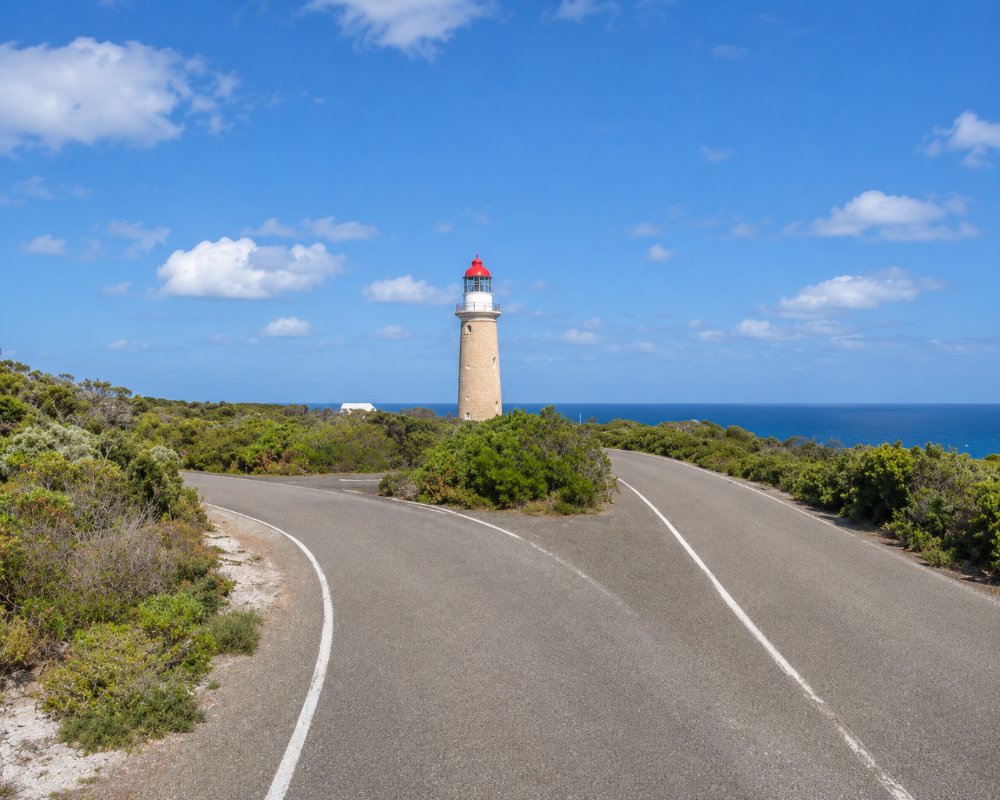
European history is also etched into the park’s story. Cape du Couedic, located within Flinders Chase, features a historic lighthouse built in 1909. The lighthouse and its nearby keeper’s cottages are a testament to the lives of early settlers who braved the harsh conditions of this remote coastline. The lighthouse itself is not open, but you can walk to its base and read about the daily challenges faced by the keepers and their families.
Flinders Chase is a shining example of how conservation and tourism can coexist. The park plays a vital role in protecting endangered species, such as the Kangaroo Island dunnart and the glossy black cockatoo. Conservation programs focus on habitat restoration, pest control, and research, ensuring that the park remains a sanctuary for future generations of both wildlife and visitors.
The devastating bushfires of 2019-2020 caused significant damage to the park, but the resilience of the ecosystem has been remarkable. Visitors today can witness the regrowth firsthand, with new green shoots emerging amidst the charred remains of trees. This natural regeneration underscores the importance of ongoing conservation efforts and the delicate balance of this unique environment.
Archaeological sites near Cape du Couedic and Rocky River show that Aboriginal people lived in this corner of the island thousands of years ago, though no one was living on the island when Europeans arrived; the Ngarrindjeri know it as Karta Pintingga, the island of the dead. Matthew Flinders named Kangaroo Island in 1802, and Nicolas Baudin’s French expedition charted this coast in 1802-03, leaving names such as Cape du Couedic. The May family ran the Rocky River pastoral lease from 1893 to 1914.
After years of lobbying by the Royal Society of South Australia, the area became the Flinders Chase flora and fauna reserve in 1919, and koalas and platypus were brought in during the 1920s. It became a national park in 1972. Lightning fires burnt about 60,000 ha in 2007, and the Ravine fire, started by dry lightning on 20 December 2019, burnt almost the whole park; the new visitor centre opened in July 2024.
Getting to Flinders Chase
Most visitors bring a car on the SeaLink ferry from Cape Jervis to Penneshaw, about 45 minutes; fares for caravans and trailers are higher, so book early, and the first of SeaLink’s two new, larger ferries, Wanggami, began sailing in late October 2026. QantasLink flies from Adelaide to Kingscote. From Kingscote the park is about 110 km west by the Playford and West End highways or the South Coast Road, about an hour and a quarter from the airport and an hour and three-quarters from Penneshaw. There is no public transport, only tours.
Experiences
- Caravan and Camping
- Island
- Nature based
- Relaxation
- Remote
- Rural/Country
- Self-Drive
Popular Activities
- Beach
- Bush Walking
- Caravan and Camping
- National Park
- Sightseeing
- Swimming
- Wilderness
- Wildlife
About Flinders Chase
- Locality: Rural
- Flinders Chase Postcode: 5223
- State: South Australia
- Region: Kangaroo Island
- Latitude: -35.97578
- Longitude: 136.67462
