
Gloucester National Park, WA
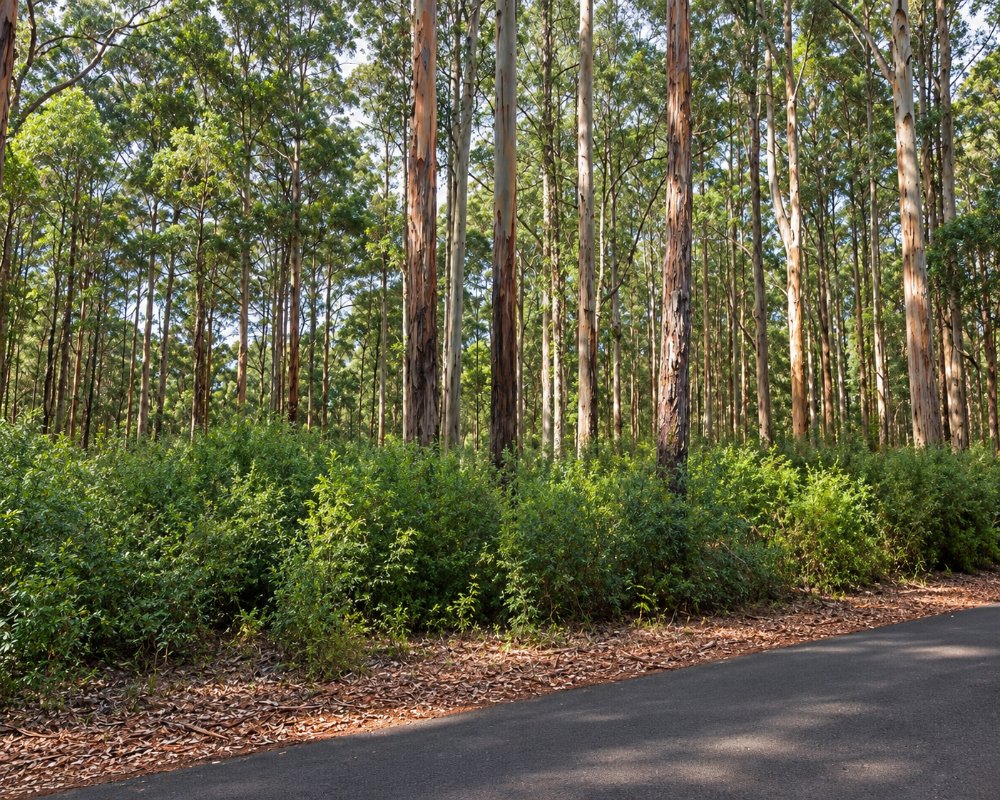
Gloucester National Park is a small park of towering karri forest right on the edge of Pemberton, in the heart of WA’s southern forests. Its best-known resident is the Gloucester Tree, a giant karri that was turned into a fire lookout in the 1940s and has since become one of the most famous climbing trees in the world.
The tree reopened to climbers on 27 June 2026 after more than two years of repairs, with a brand-new lookout platform 37 metres up. Elsewhere in the park, the Cascades tumble over rock shelves on Lefroy Brook, and the park is the starting point of the Karri Forest Explorer, a scenic drive through the surrounding national parks.
Karri can grow to about 90 metres, making it the tallest tree in Western Australia, and walking among them here is one of the highlights of a trip to the south-west.
Known For
- The Gloucester Tree and its 37 m lookout
- The Cascades on Lefroy Brook
- Start of the Karri Forest Explorer drive
- Towering karri forest
- Right on the edge of Pemberton
Things To Do in the Park
Climbing the Gloucester Tree
Climbers spiral up a ladder of steel pegs hammered into the trunk, with only a light wire mesh around them, and there’s no harness or supervision, so it’s entirely at your own risk. The old cabin at 53 metres has gone. After engineers found decay in the upper part of the tree in late 2023, it was closed to climbers, about 10 metres of rotting timber was removed, and a new wrap-around platform was built 37 metres up, roughly the height of a 12-storey building. It holds about 15 people and gives sweeping views over the karri canopy. There’s no halfway stop, so it’s one continuous climb up and back down.
Climbing is closed in storms, high winds and on days of high fire danger. Plenty of people simply watch from the ground, which is fun in itself.
The Cascades
At the southern end of the park, Lefroy Brook spills over a series of rock shelves at the Cascades. There are viewing platforms and a short walk trail, and the falls are at their best in winter and spring after rain. The road in is sealed.
Karri Forest Explorer
This 86 km scenic drive starts in Gloucester National Park and winds through Warren and Greater Beedelup national parks and Big Brook Forest, with stops at giant trees, walk trails, river pools and picnic areas. Parts of it, including the one-way Heartbreak Trail in Warren National Park, aren’t suitable for caravans or buses. Nearby, the Dave Evans Bicentennial Tree is closed to climbers from 21 September to the end of November 2026 while its pegs are replaced.
Walking
The Bibbulmun Track passes through the park on its way between Donnelly River Village and Pemberton, and several shorter walks link the Gloucester Tree, the Cascades and the town.
Where To Stay
There’s no camping in Gloucester National Park, but the Gloucester Tree car park takes caravans and Pemberton is only a few minutes away. Pemberton has a caravan park, motels, cabins and plenty of B&Bs, cottages and chalets in the forest. The national park campgrounds in nearby Warren National Park suit tents and small campers rather than big vans, as the access roads are narrow and steep.
Park entry fees apply in Gloucester, Warren and Greater Beedelup national parks, and passes can be bought at the Pemberton Visitor Centre. Pemberton has fuel, a supermarket and a dump point.
Eat & Drink
Pemberton, just down the hill, has cafés, a bakery, a pub and several wineries with cellar doors and restaurants. Picnic tables and barbecues at the Gloucester Tree make a good spot for lunch under the karri.
History
Between 1937 and 1952 the Forests Department set up a network of fire lookouts in the tops of tall karri trees across the southern forests. This tree was chosen in 1947, and it was named after the Duke of Gloucester, then Governor-General of Australia, who visited Pemberton while the lookout was being built. Spotter planes took over fire watching in the 1960s and 1970s, and the tree became a tourist climb.
It was closed in November 2023 after engineers found structural decay near the top. A $3 million State project rebuilt the climb with a new platform at 37 metres, designed by the parks service and built by a Manjimup company, and the tree reopened on 27 June 2026.
Getting to the Park
Gloucester National Park is on the south-eastern edge of Pemberton, about 3 km from town. Pemberton is about 330 km south of Perth, roughly three and a half to four hours’ drive via the South Western Highway and Manjimup, or via Bunbury and Nannup. Manjimup is about 30 km north. Coaches run from Perth to Pemberton.
Experiences
- Eco Tourism
- Nature based
Popular Activities
- Bush Walking
- National Park
- Wildlife
About Gloucester National Park
- Locality: National park
- Gloucester National Park Postcode: 6260
- State: Western Australia
- Region: Margaret River & the South West
- Latitude: -34.45
- Longitude: 116.06
- Timezone: Australia/Perth
