
Abbotsford, VIC
Abbotsford is tucked into a broad bend of the Yarra River, four kilometres east of the centre of Melbourne. It is a suburb of two halves. Along the main roads are breweries, warehouses, apartment blocks and one of the best Vietnamese food strips in the country. Down by the river, hidden behind them, is something quite unexpected: a former convent and its farm, set in gardens and paddocks, with bushland and a waterfall just beyond.
Known For
- Abbotsford Convent, the largest multi-arts precinct in Australia
- Collingwood Children’s Farm and its farmers’ market
- Riverside walks to Dights Falls and Yarra Bend Park
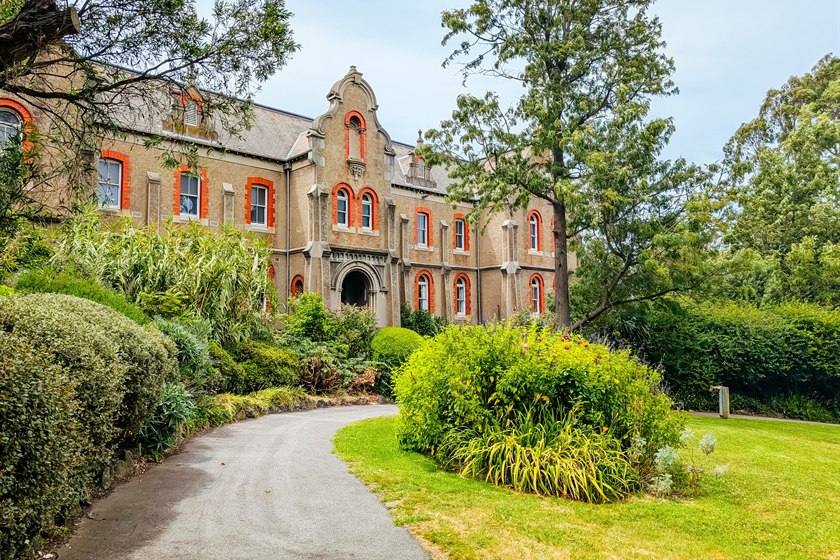
The river precinct is one of the most peaceful places in the inner city. It is possible to spend a whole day here wandering between galleries, cafes, farm animals and walking tracks without crossing a road, and with the sound of traffic replaced by bellbirds.
The rest of Abbotsford has changed quickly, as old factories have made way for offices and apartments. It remains proudly connected to its neighbour, Collingwood, with which it shares a history, a football team and a good many pubs. It is an easy trip from the centre of Melbourne by train or tram.
History and Heritage
Abbotsford lies on the Country of the Wurundjeri Woi-wurrung people of the Kulin Nation. The junction of the Yarra and the Merri Creek, at the northern end of the suburb, was one of the most significant meeting places in the region, where clans gathered for ceremony, trade and the settling of disputes. In the 1840s it was the site of an Aboriginal school and the base of the colony’s Native Police.
Mills and Mansions
The river flats were sold in 1838. Their new owners built fine houses with gardens running down to the water, one of which, named after the Scottish home of the novelist Sir Walter Scott, gave the suburb its name. In 1841 John Dight built a flour mill beside a natural rock bar in the river, raising it with a weir to drive his waterwheel. The falls have carried his name ever since.
The Convent of the Good Shepherd
In 1863 four Irish nuns of the Good Shepherd order bought two of the riverside estates and founded a convent. Over the following decades it grew into the largest Catholic institution in Victoria, with a church, schools, an orphanage, dormitories and industrial laundries surrounded by farmland. At its peak more than a thousand women and children lived behind its walls. Many were orphans or girls sent by the courts, and they worked long hours in the laundries that paid for the place. For some it was a refuge. For others it was a harsh and unhappy home, and that history is now openly acknowledged on the site.
Industry
Away from the river, Abbotsford industrialised along with Collingwood. Tanneries and wool washers lined the banks, and breweries, boot factories and engineering works filled the streets behind. The big brewery on the eastern side of the suburb has been making beer since the early 1900s, and the smell of malt still drifts over the area on brewing days.
Saving the Convent
The nuns sold the convent in 1975 and it passed to a university. When the campus closed in the 1990s, a developer proposed building hundreds of apartments on the land. Local residents fought the plan for seven years, and in 2004 the state government and the city council handed the site to a community foundation. It was added to the National Heritage List in 2017.
Attractions in Abbotsford
Start at the convent and work outwards along the river.
Abbotsford Convent
Eleven historic buildings, set in nearly seven hectares of grounds, now house more than a hundred studios and offices for artists, writers, designers, musicians and wellness practitioners. Visitors are free to explore the courtyards and gardens, look into the galleries, and see the former laundries, the grand staircases and the old convent church. There are regular markets, exhibitions, concerts and workshops, and guided tours explain both the architecture and the lives of the women and girls who lived here. Entry to the grounds is free.
Collingwood Children’s Farm
Next door, on the old convent farmland, this community farm has been introducing city children to cows, goats, pigs, sheep, horses and chickens since 1979. Visitors can watch the cows being milked, help feed the animals and cuddle a guinea pig, and there is a rustic cafe overlooking the paddocks. On the second Saturday of each month the farm hosts one of the best farmers’ markets in Melbourne.
Dights Falls and the River Trails
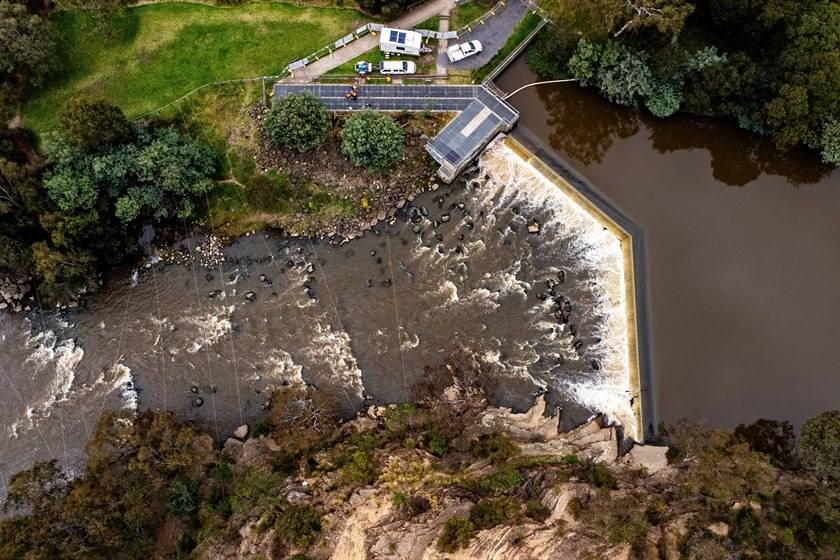
A walking and cycling path follows the Yarra from the convent to Dights Falls, where the river tumbles over a low weir at its meeting with the Merri Creek. Fish ladders help native species move upstream. From here trails continue into Yarra Bend Park, the largest area of natural bushland in inner Melbourne, where a colony of grey-headed flying foxes roosts in the trees. A footbridge near the farm leads across to the historic Studley Park Boathouse, where rowing boats and canoes can be hired.
Victoria Street
The southern boundary of the suburb is the centre of Vietnamese life in Melbourne. The street is lined with pho restaurants, bakeries, grocers, fishmongers and jewellers, and is the place to come for an inexpensive, authentic meal. Above the eastern end, a neon sign of a girl skipping rope, first erected in the 1930s to advertise vinegar, is a much-loved local landmark.
Victoria Park
For more than a century this was the home ground of the Collingwood Football Club and one of the most intimidating venues in the game. The club left in 1999. The old grandstands have been kept, the oval is open to the public, and information boards tell its story.
Breweries
Alongside the large brewery, Abbotsford has become a centre for craft beer, with several independent breweries operating taprooms in old industrial buildings around Johnston Street.
Where To Stay
Abbotsford has little visitor accommodation of its own.
There are a small number of apartment hotels and private rentals, mostly along Victoria Street and Hoddle Street, which are convenient for the trains and trams into the city.
Most visitors stay in the city centre, East Melbourne or Fitzroy and come out for the day. The convent occasionally offers residencies and retreats but is not a hotel.
The nearest full-service hotel is Pullman Melbourne on the Park, at 192 Wellington Parade, East Melbourne, about 3 km west. Refurbished in 2022, it looks over Yarra Park to the MCG and has a pool, a day spa and Cliveden Bar and Dining. Jolimont station is two minutes’ walk away, on the same Mernda and Hurstbridge lines that stop at Victoria Park, so it is an easy hop to the Convent.
The StandardX, at 62 Rose Street, Fitzroy, about 2.5 km west, has 125 rooms, an all-day Thai restaurant and a rooftop for guests. The Nunnery, on Nicholson Street, Fitzroy, is the budget choice, with dorms, private rooms and a self-contained guesthouse for families and groups. Crowne Plaza Melbourne Carlton, which opened in 2026 on Swanston Street, is a little further west.
There is no camping in Abbotsford, and the narrow streets off Johnston Street are no place for a large van. The nearest caravan park is BIG4 Melbourne Holiday Park at 265 Elizabeth Street, Coburg, about 10 km north-west, with powered and ensuite sites, cabins and villas.
Eat & Drink
There are three quite different places to eat in Abbotsford.
At the convent, the Convent Bakery bakes bread and pastries in wood-fired ovens that date from 1901, and several cafes and a bar operate in the grounds. The cafe at the Children’s Farm is a favourite for breakfast among the chickens.
Victoria Street is the place for Vietnamese food. Bowls of pho, crisp banh mi rolls, rice paper rolls and broken rice dishes are served quickly and cheaply at dozens of restaurants, many open from early morning until late.
Around Johnston Street, specialty coffee roasters and brewery taprooms have moved into the old factories. Moon Dog, one of the first craft brewers in the area, began here. Venues change often, so check before making a special trip.
In the Convent grounds, the Convent Bakery is joined by Kappaya, a Japanese cafe, and Bar Familiar has taken over the old Cam’s Kiosk space at 1 St Heliers Street, run by two former Cam’s staff with a European-leaning menu. The Farm Cafe at the Children’s Farm opens every day for breakfast and lunch at outdoor tables.
In the streets west of the Convent, Daybaker, at 66 Nicholson Street, is a bakery that keeps a short list and does it well, and MacGregor’s, a corner shop at 212 Nicholson Street, sells just three burgers, with chips cooked in beef tallow. The Retreat Hotel, at 226 Nicholson Street, is one of the few Melbourne pubs with an intact 1915 interior; book on weekends.
Johnston Street has Lulie Street Tavern at number 225, one of the friendliest small bars in town; Rita’s Cafeteria at 239, with thick semolina-crusted pizzas close to Victoria Park; and Dingo at 272, a Tex-Mex spot from the team behind Dingo Ate My Taco. Bar Sala, at 20 Mollison Street, is a 100-seat restaurant from the Mulberry Group with a separate room for listening to vinyl.
The nearest big supermarket is Coles at 172 Smith Street, Collingwood, about 2 km west, and fuel is on Hoddle Street.
Getting to Abbotsford
By train, take the Mernda or Hurstbridge line to Victoria Park Station. From there it is a ten to fifteen minute walk down Johnston Street to the convent and the farm. Collingwood and North Richmond stations serve the southern end of the suburb.
Trams along Victoria Street run from Collins Street in the city. Buses along Johnston Street stop close to the convent.
There is a paid car park at the convent, which fills on weekends and market days. The Main Yarra Trail and Capital City Trail both pass through, making Abbotsford one of the easiest inner suburbs to reach by bike.
Experiences
- City
- Cultural
- Historic/Heritage
- Nature based
Popular Activities
- Bush Walking
- Canoeing
- City Sightseeing
- Cycling
- Food and Wine
