
Parkville, VIC
Parkville is the greenest of Melbourne’s inner suburbs. Three kilometres north of the city centre, it is made up largely of Royal Park, the biggest of the city’s parklands, with the country’s oldest zoo at its centre. Around the edges are the bluestone colleges and sandstone quadrangles of the University of Melbourne, a cluster of major hospitals and research institutes, and a small, beautifully preserved pocket of Victorian houses.
Known For
- Melbourne Zoo, the oldest zoo in Australia
- Royal Park, 180 hectares of open parkland and native bush
- The University of Melbourne and its historic colleges
Only a few thousand people live in Parkville, and it has almost no shops. What it has instead is space. From the hilltop in the middle of Royal Park, with the city skyline to the south and grassland rolling away on every side, it is hard to believe you are a ten minute tram ride from Bourke Street.
Most visitors come for the zoo, which deserves at least half a day. It is well worth adding a walk through the park or the university grounds, both of which are free and often overlooked by people visiting Melbourne.
History and Heritage
Parkville lies on the Country of the Wurundjeri Woi-wurrung people of the Kulin Nation. The open woodland and grassland here, on a rise between two creeks, was a camping and hunting ground, and remnant river red gums in the park predate the city.
A Park for the People
In the 1840s Superintendent Charles La Trobe set aside a huge area of land north of the town for public recreation. Although pieces were later carved off for the university, hospitals, sports grounds and housing, about 180 hectares of Royal Park survive. The university was founded on the park’s south-eastern corner in 1853, the second in Australia, and the Acclimatisation Society was given land for a zoological garden, which opened in 1862.
Burke and Wills
On 20 August 1860, some fifteen thousand people gathered in Royal Park to farewell the expedition of Robert O’Hara Burke and William John Wills, which set out to cross the continent from south to north. With its camels, wagons and tonnes of supplies, it was the best equipped exploring party the colonies had seen. The two leaders died on the return journey the following year. A stone cairn in the park marks the spot from which they departed.
South Parkville
A small residential area was laid out beside Royal Parade in the 1870s, and its streets of two-storey terraces and villas, built for professionals and academics, have barely changed. It is one of the most intact Victorian neighbourhoods in Melbourne.
War and After
During the Second World War, Royal Park became Camp Pell, a base for tens of thousands of American troops. After the war the huts were used as emergency housing for families, and the camp was only cleared in time for the 1956 Olympics. Fifty years later, part of the park’s western edge was developed as the athletes’ village for the 2006 Commonwealth Games.
Medicine and Science
Parkville has grown into one of the most important biomedical research precincts in the world. The Royal Melbourne and Royal Children’s hospitals are here, along with institutes whose scientists have won Nobel Prizes for work on immunity and infection.
Attractions in Parkville
The zoo is the main draw, but the park and the university are attractions in their own right.
Melbourne Zoo
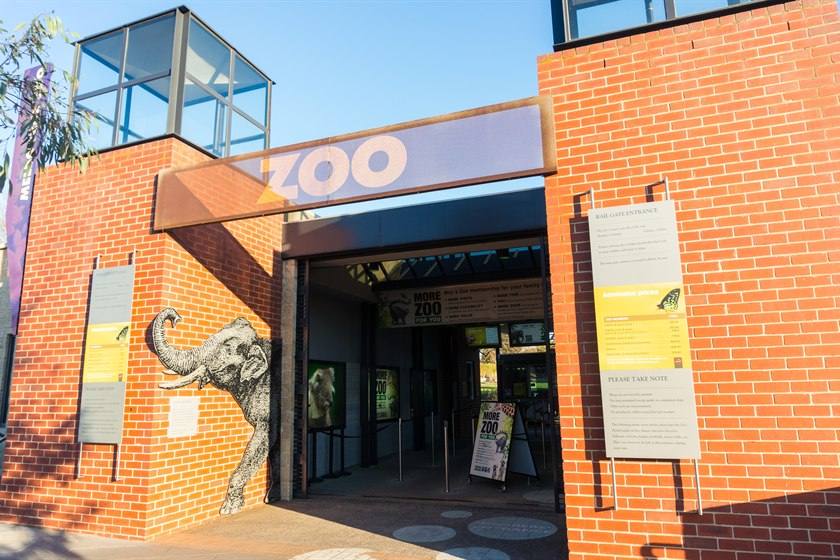
Opened in 1862, Melbourne Zoo is the oldest in Australia and among the oldest in the world, and it is set in mature gardens that are an attraction in themselves. More than 250 species are spread through habitats designed to resemble their natural homes. Highlights include the gorilla rainforest, the orangutan sanctuary with its high rope walkways, a lion gorge, a butterfly house you can walk through, and a coastal exhibit with seals and little penguins. Australian animals have their own bush setting, with kangaroos, koalas, wombats and a platypus house.
The zoo is run as a conservation organisation and breeds several endangered native species for release. Children under sixteen are admitted free on weekends and during Victorian school holidays. On summer evenings the lawns host a popular series of outdoor concerts.
Royal Park
The park is a mix of sports fields, open grassland and areas that have been returned to native bush. A circuit path of about four kilometres loops around it, and from the central rise there is a fine view of the city. Near the western edge, a wetland created to clean stormwater has become a haven for birds and frogs. The park also holds the state netball and hockey centre, a public golf course and one of the best nature playgrounds in Melbourne, beside the Royal Children’s Hospital.
University of Melbourne
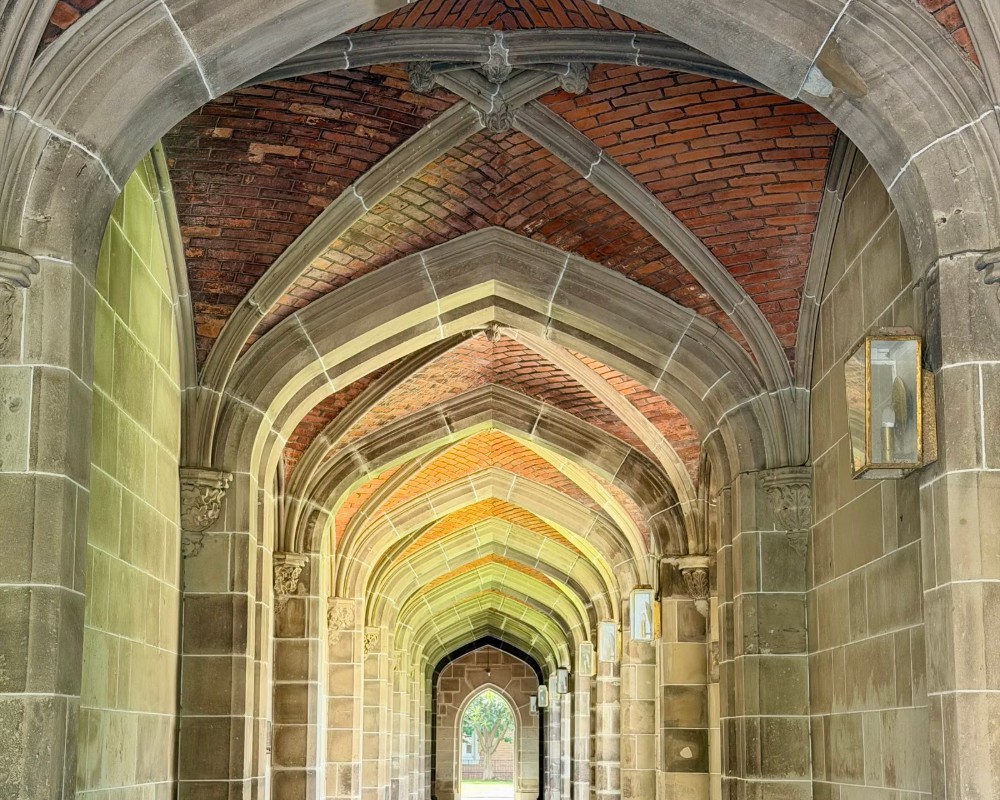
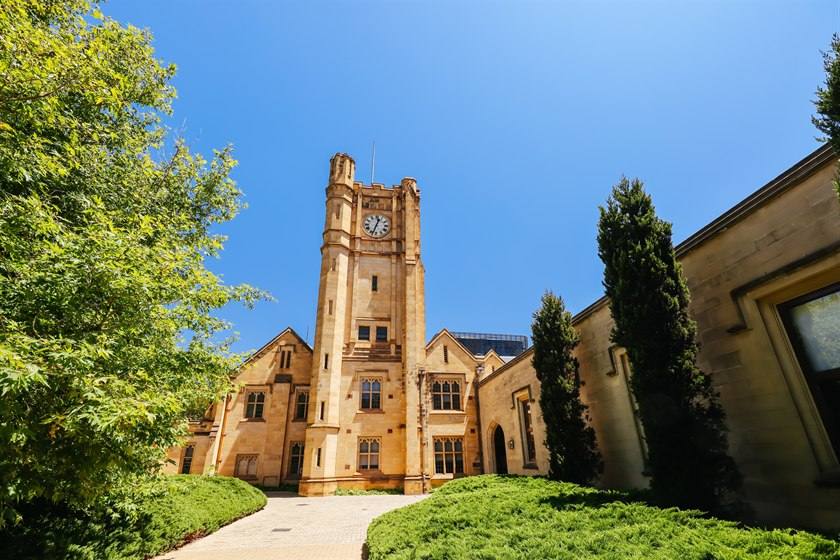
The main campus is open to the public and is a pleasant place to stroll. The cloisters of the Old Quadrangle, begun in the 1850s, are its historic heart, and there are several free museums and galleries on campus, among them the Ian Potter Museum of Art and the Grainger Museum, devoted to the eccentric composer Percy Grainger. Along College Crescent stand the residential colleges, including Ormond, with its Gothic tower, and Newman, designed by Walter Burley Griffin, the architect of Canberra.
Royal Parade and South Parkville
Royal Parade, the grand boulevard that runs north from the city, is lined with four rows of elms and is one of the best avenues in the country. Behind it, the quiet streets of South Parkville, such as Park Drive and Gatehouse Street, are worth a detour for their terraces and gardens.
Close Encounters at the Zoo
Beyond a standard visit, Melbourne Zoo runs paid behind-the-scenes sessions, including a Gorilla Experience, where small groups meet the western lowland gorillas and their keepers, and a Kangaroo Experience in the Australian bush area. An elevated boardwalk runs through the ring-tailed lemur habitat, and a giraffe calf, red pandas and snow leopards are among the other favourites. The zoo is open daily from 9am to 5pm.
Roar ‘n’ Snore
For an overnight stay, the zoo’s Roar ‘n’ Snore program lets families camp inside the grounds and spend time among the animals after the day visitors have gone. Places are limited, so book ahead, especially for school holidays.
Where To Stay
Parkville has very little commercial accommodation. Most of what exists caters to people visiting the hospitals or the university.
There are a few motels and apartment hotels along Royal Parade and Flemington Road, and Naughtons, a restored nineteenth century pub opposite the university, has hotel rooms upstairs. During university holidays, some of the residential colleges let rooms to visitors, which can be an inexpensive and atmospheric option.
Carlton and the city centre, both a short tram ride away, offer a far wider choice.
For a full-service hotel, Mercure North Melbourne, on Flemington Road at the corner of Harker Street, has a pool and restaurant and is a few minutes’ walk from the Royal Children’s Hospital, which makes it a common choice for families visiting patients. Naughtons’ rooms upstairs suit couples who want to be close to the university and the zoo, with the pub’s dining room downstairs. In Carlton, about 1.5 km east, the Crowne Plaza Melbourne Carlton is a modern hotel within walking distance of Lygon Street. North Melbourne and the Queen Victoria Market area, a short ride on tram 57, 58 or 59, have several newer hotels and apartment hotels.
The nearest caravan park is the Melbourne BIG4 Holiday Park on Elizabeth Street in Coburg, about 6 km north, a 15 minute walk from tram route 19, which runs straight down Royal Parade to Parkville. Parking for vans near the zoo and hospitals is very limited.
Eat & Drink
Parkville is not a dining destination, and choices within the suburb are limited.
The zoo has several cafes and kiosks, and picnics are welcome in its grounds and throughout Royal Park. The university campus has plenty of inexpensive cafes during term. Naughtons is the local pub and serves good meals in a handsome old dining room.
For more variety, the restaurants of Lygon Street in Carlton are a fifteen minute walk east of the university, and the Queen Victoria Market is a similar distance south.
Naughtons at 43 Royal Parade has been a local for generations, in a building about 150 years old under the elms; its kitchen works with seasonal, farm-sourced produce. Next to the Potter Museum of Art, Residence at the Potter, on Swanston Street at the corner of Masson Road, is a breezy cafe by day that also runs as a restaurant. Moja Duck, at 441 Royal Parade towards the northern end of Royal Park, specialises in Peking duck alongside a wider Chinese menu.
On the university campus, Professors Walk Cafe in the Baillieu Library building is a community-minded cafe, and other campus cafes keep shorter hours outside term. Inside Melbourne Zoo there are cafes and kiosks, and picnic lawns throughout the grounds. There is no supermarket in Parkville; the nearest grocers are in Carlton and North Melbourne.
Getting to Parkville
Tram route 58 runs from William Street in the city through the middle of Royal Park and stops at the zoo’s main entrance. Route 19 runs along Royal Parade past the university. Parkville is outside the Free Tram Zone.
By train, Royal Park Station on the Upfield line is a few steps from the zoo’s rear gate, about ten minutes from Flinders Street. The new Parkville Station on the Metro Tunnel serves the university and hospitals.
Paid parking is available at the zoo and fills early on weekends and in school holidays. The Capital City Trail, a shared cycling and walking path, passes through the park.
Experiences
- City
- Cultural
- Historic/Heritage
- Nature based
Popular Activities
- Bird Watching
- Bush Walking
- City Sightseeing
- Cycling
- Wildlife
About Parkville
Accommodation In Parkville
Discover some of the accommodation in and around Parkville
