
Tarraleah, TAS
Tarraleah is more than a dot on Tasmania’s map—it’s a unique destination offering a blend of history, natural beauty, and outdoor adventure. Located 127 kilometers northwest of Hobart, this former hydroelectric village promises an escape into the heart of Tasmania’s Central Highlands. The journey from Hobart takes just under two hours by car along the scenic Lyell Highway, offering breathtaking vistas of the region’s rugged landscapes.
Known For
- Hydroelectric heritage
- Outdoor adventures and walking trails
- Art Deco accommodations
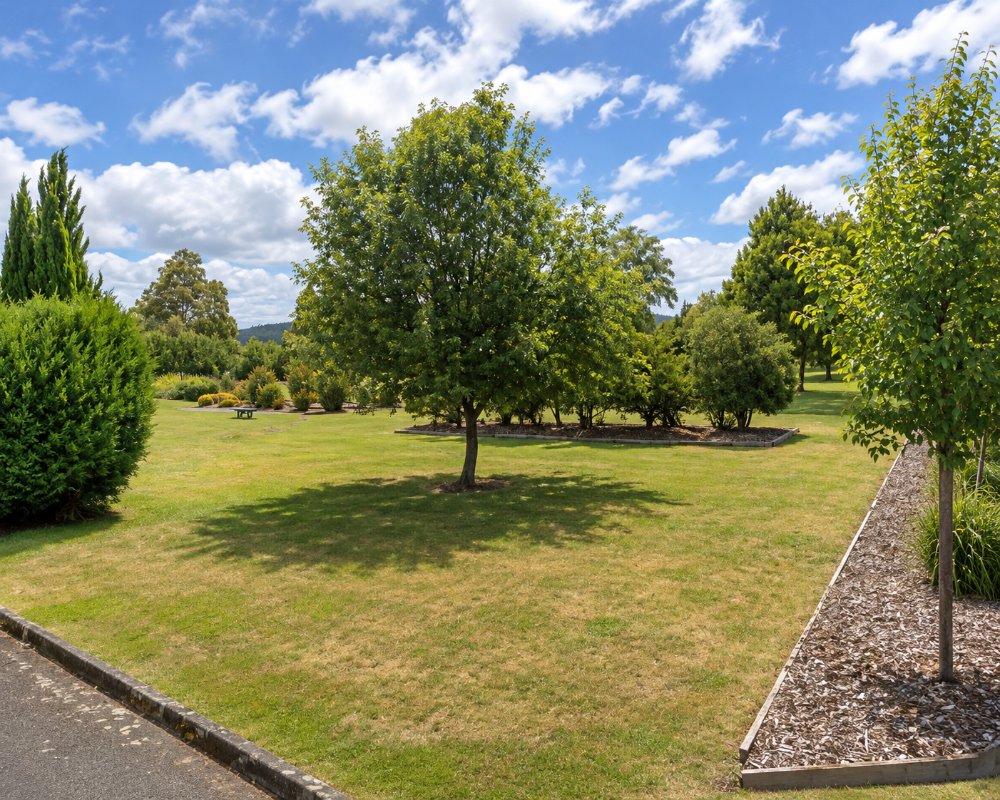
Tarraleah’s roots trace back to the 1930s when it was established by the Hydro-Electric Commission. The village was designed to house workers building some of Tasmania’s most ambitious infrastructure projects. Visitors today can still feel the legacy of that era, with restored cottages and the iconic penstocks visible from the Tarraleah Power Station Lookout. These towering structures are a testament to human ingenuity and remain an integral part of Tasmania’s energy network.
The town’s transformation into a holiday village preserves its historical charm. Buildings like the Tarraleah Lodge and Highlander Arms have been restored with modern comforts while retaining their original Art Deco allure, offering guests a glimpse into the past while enjoying contemporary amenities.
Nature enthusiasts will find no shortage of activities in and around Tarraleah. The surrounding landscape is a playground for those seeking outdoor adventure, with opportunities for trout fishing, kayaking, and bushwalking. The region’s pristine rivers and lakes are a haven for anglers, while the nearby walking trails offer a chance to explore Tasmania’s unique flora and fauna.
Wildlife is abundant in the area, with encounters likely to include wallabies, echidnas, and even the elusive platypus. Walking trails such as the Quoll Walk and Eagle Track provide a quiet retreat into nature, with every turn revealing a new facet of this remarkable environment.
Things To Do in Tarraleah
Tarraleah Falls Track
The village’s best short walk starts beside the Lodge, crosses the big water pipes and drops through man fern glades to a cantilevered platform above Tarraleah Falls. Allow about 25 minutes each way, with a few stairs near the end.
Eagle Track, Quoll Track and Big Tree Walk
The Eagle Track follows the escarpment edge for about an hour return, past a wedge-tailed eagle nesting area, and joins the Quoll Track to make a two-hour loop; it has some ups and downs and does not suit prams or bikes. The 45-minute Quoll Track circles the lake and runs through tree fern forest, and is best at dusk for wildlife. The Big Tree Walk, off the road to the golf course, passes several eucalypts thought to be around 350 years old. Ask at reception for directions to each start.
Tarraleah Golf Course and the Highland cattle
Next to the estate is a nine-hole course built by the Hydro in the 1950s for its workers, said to be the highest in Tasmania, with extra tees that make an 18-hole round. It is run by the local golf club, so contact the club to play. The estate’s shaggy Scottish Highland cattle graze near the village lake, and feed can be bought at the cafe.
The penstocks and Lake King William
The big pipes that drop down the hillside to the Tarraleah Power Station carry water brought by canal from Clark Dam at Butlers Gorge, about 20 km west along Butlers Gorge Road. The power station opened in 1938 and is due to be rebuilt by Hydro Tasmania, and if the project goes ahead, expect construction traffic and short delays on the Lyell Highway. Clark Dam holds back Lake King William, the top storage of the Derwent power scheme.
Where To Stay
Tarraleah caters to a wide range of visitors with its charming and diverse accommodations.
The Tarraleah Lodge stands out for its luxurious offerings, complete with stunning views and a curated collection of over 300 wines. For families and groups, the refurbished Art Deco cottages offer self-contained spaces that combine historical charm with modern convenience.
Budget-conscious travelers aren’t left out either, thanks to the Highlander Cabins and Caravan Park. Here, visitors can enjoy a cozy stay that doesn’t compromise on comfort while being close to all the village’s attractions.
Tarraleah Lodge is the 1930s former Chalet, now nine suites for adults only, each named after a local lake, with heated floors and some spa baths or gas fires. It has no kitchen for guests, so plan to eat at the Highlander Arms or the Battery Cafe. Families and groups usually take one of the self-contained Art Deco cottages or the two larger houses, the Cliff-Top House and the Scholars House, and some stays take dogs.
The Highlander Caravan Park has 15 powered sites with modern amenities, plus eight cabins: six small Highlander cabins with a queen bed, kitchenette and ensuite, and two Lakeside Cabins with two bedrooms and a full kitchen, close to the Highland cattle. Sites are booked by phone direct with the estate. Dogs are welcome on a lead but must sleep inside the van or motorhome. There is no dump point at Tarraleah; the nearest are at Hamilton, about 53 km east, and Derwent Bridge, about 43 km west.
There is no fuel and no shop in the village. Fill up at Ouse, about 38 km east, or Derwent Bridge. Snow can close the Lyell Highway for short periods in winter, so check road conditions before towing.
Eat & Drink
Dining in Tarraleah is an experience in itself, with options that highlight the best of Tasmania’s culinary offerings. The Highlander Arms, a favorite among visitors, serves hearty meals paired with local wines and beers. Guests staying at the Tarraleah Lodge can indulge in a selection of whiskies and an extensive wine list, making mealtime a true highlight of their visit.
The village’s commitment to quality extends to its dining experiences, ensuring every meal is as memorable as the landscapes surrounding it. Whether it’s a casual pub dinner at the Highlander Arms or coffee and cake at the Battery Cafe, Tarraleah’s culinary scene impresses with its warmth and authenticity.
The Highlander Arms, the village pub, is open for dinner only, all year, with steaks, chicken parmigiana, burgers and seasonal dishes; book a table with reception when you book your stay. The Battery Cafe opens daily for coffee, tea, milkshakes, cakes, toasties and pies, with shorter hours in winter. There is nowhere to buy groceries, so bring your own supplies; the nearest supermarket is at Ouse, about 38 km east. The Derwent Bridge Wilderness Hotel, about 43 km west, is the next pub for lunch.
History
Tarraleah lies in the Central Highlands, the country of the Big River nation of the palawa, and its name is usually said to come from an Aboriginal word for a kangaroo. The Hydro-Electric Commission began work on the Tarraleah scheme in November 1934, and the Nive Road post office opened that year before taking the name Tarraleah in 1935. The power station opened in July 1938. The Chalet, now the Lodge, was built for visiting engineers and directors, and the town grew to have pubs, churches, a school, a pool and the golf course.
When construction ended the town was closed in 1996 and many houses were cut up and trucked away. The village was restored for visitors from 2007, and in 2023 Hydro Tasmania bought it back to house workers on the scheme’s redevelopment.
Getting There
Reaching Tarraleah is straightforward, with its location along the Lyell Highway making it accessible from both Hobart and the west coast of Tasmania. The drive itself is part of the experience, offering panoramic views of the Central Highlands. Visitors traveling from Hobart will enjoy a scenic two-hour journey, while those coming from Launceston can reach Tarraleah in about three hours.
Experiences
- Caravan and Camping
- Nature based
- Remote
- Self-Drive
Popular Activities
- Bush Walking
- Caravan and Camping
- Fishing
- Golfing
About Tarraleah
- Locality: Rural locality
- Tarraleah Postcode: 7140
- State: Tasmania
- Region: Hobart and South
- Latitude: -42.30091
- Longitude: 146.45024
- Timezone: Australia/Tasmania
