
Hamilton, TAS
Hamilton, a small yet historically rich village in Tasmania’s Central Highlands, offers a fascinating journey into the past while serving as a tranquil escape for modern-day travelers. Located just an hour’s drive (73 kilometers) northwest of Hobart along the Lyell Highway, Hamilton boasts an array of preserved Georgian and Victorian-era architecture and picturesque surroundings that captivate visitors seeking a unique travel experience.
Known For
- Georgian and Victorian architecture
- Trout fishing at Lake Meadowbank
- Historical inns and craft shops
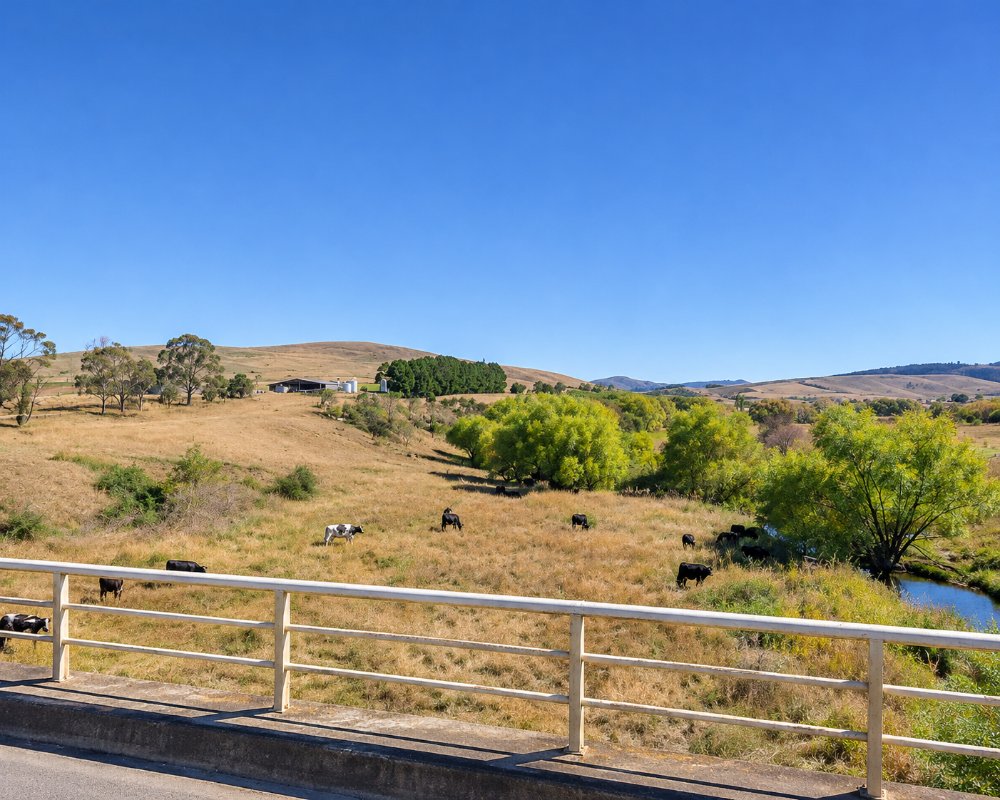
Hamilton’s origins trace back to the early 1800s when it served as a key stopover for settlers moving westward. Many of its historic buildings, such as St Peter’s Anglican Church, completed in 1837, and the Hamilton Inn, established in 1826, remain standing today, offering glimpses into the colonial era. Convict labor played a significant role in shaping the village, as seen in the meticulous stonework of its churches, bridges, and old schoolhouses.
Hamilton is renowned for its beautifully preserved historic buildings, each telling a story of the village’s colonial past. St. Peter’s Anglican Church, one of Tasmania’s oldest stone churches, is an architectural marvel that invites visitors to step inside and admire its tranquil interior. Nearby, the Hamilton Courthouse and Gaol, now a private residence, serves as a poignant reminder of the village’s role in the convict era.
The Hamilton Inn, dating back to 1826, continues to welcome guests and offers a glimpse into the life of early settlers. Walking tours through the village provide a closer look at these historic gems, with knowledgeable guides sharing fascinating anecdotes and insights into Hamilton’s heritage.
Glen Clyde House is more than just a historic building; it is a hub for local art and craft. This 1840s property now houses a gallery showcasing works by talented Tasmanian artisans. From intricate jewelry to hand-woven textiles, the pieces reflect the creativity and skill of the local community. The attached café serves homemade treats, offering a chance to relax while enjoying the picturesque garden views.
Just a short drive from Hamilton, Lake Meadowbank is a haven for outdoor enthusiasts. Known for its excellent trout fishing, the lake attracts anglers from across the region. Even if fishing isn’t your thing, the serene waters offer opportunities for kayaking, water skiing, and swimming.
For families, the lake’s well-maintained picnic areas provide the perfect setting for a day out. Bring along some locally sourced goodies, and enjoy a meal amidst the stunning landscapes of the Central Highlands. Campers will also find designated spots to pitch a tent and immerse themselves in nature overnight.
If your visit coincides with March, don’t miss the Hamilton Agricultural Show. This lively event celebrates the village’s farming heritage with sheep shearing demonstrations, equestrian events, and local produce stalls. The festive atmosphere, combined with the stunning rural backdrop, makes it an unmissable highlight for visitors of all ages.
Hamilton’s location in the Central Highlands places it within easy reach of several natural attractions. Mount Field National Park, less than an hour away, offers walking trails through lush rainforests, stunning waterfalls like Russell Falls, and opportunities to spot local wildlife, including wallabies and platypuses.
The nearby Derwent River is another attraction worth exploring, with options for leisurely boat rides or riverside walks. Its calm waters and scenic surroundings make it a favorite among photographers and nature lovers alike.
Things To Do in Hamilton
Historic Village Walk
Hamilton is small enough to explore on foot. St Peter’s Church (1837) was built with only one door, a design meant to stop convicts in the congregation from slipping away, and Jackson’s Emporium still carries the 1856 date above its door from its years as the town’s general store. Look out too for the two-storey sandstone Old Schoolhouse, with the bell that once called children to class, and the sheep figure laid out in rocks on the hillside, which announces the date of the next agricultural show.
Curringa Farm Tours
Curringa Farm, a 750-acre working sheep and cropping property on the Lyell Highway just north-west of the village, runs farm tours of two hours or more with sheep shearing, working dogs, crops in season, Highland cattle and a forest walk. Tours finish with home-made scones and cream or a barbecue lunch, and need a minimum group (four adults, or six for the lunch tour), so book ahead.
Lawrenny Estate Distillery
About 10 km north-west on the Lyell Highway near Ouse, Lawrenny Estate Distillery makes single malt whisky and gin on an estate beside the River Derwent. Its cellar door offers guided tastings of its single malts and a gin tasting flight, and a longer distiller’s tour walks through the estate and its barley fields.
Where To Stay
Hamilton provides a range of accommodation options, blending comfort with history.
The Hamilton Inn, one of Tasmania’s oldest inns, offers a charming stay infused with stories from the past. For those seeking more seclusion, nearby farm stays provide an opportunity to experience rural life with stunning views of the Central Highlands.
For a modern yet cozy experience, bed-and-breakfast options abound, many featuring period furnishings and hearty Tasmanian breakfasts that set you up for a day of exploration.
The Hamilton Inn at 10 Tarleton Street, built by convicts in 1826 and heritage listed in 2003, is being carefully restored by its current owners and has its own cafe, bar and bistro downstairs. Curringa Farm, at 5831 Lyell Highway about 3 km north-west of the village, has nine farmstay houses set in bushland above Lake Meadowbank: four open-plan studios, three two-bedroom cottages and two farmhouses for bigger families, with one cottage set up for guests with limited mobility. Its sister property, Curringa in the Village, has four studios in Hamilton’s quiet back streets.
For caravans and campers, the Central Highlands Council’s Hamilton Camping Ground sits on the bank of the Clyde River off River Street, with toilets, showers, gas barbecues, drinking water taps for filling, a dump point and a seven-night limit; sites are first come, first served. Mount Field, south-west of Hamilton, has a national park campground with powered sites, hot showers and laundry machines, and Left of Field Camping Gardens next to the park entrance adds powered sites and a licensed bar.
Eat & Drink
Dining in Hamilton is a delightful experience, rooted in the village’s connection to local agriculture. Small cafes and eateries feature seasonal menus, showcasing the best of what the region has to offer.
Enjoy a traditional pub meal at The Hamilton Inn, where you can savor locally sourced lamb or freshly caught fish in a relaxed, historic setting. Travelers can also explore nearby wineries and distilleries to sample fine Tasmanian wines and spirits.
The Hamilton Inn is the centre of village dining. Its cafe serves cooked breakfasts, lunches and pastries every day, the bar opens from the afternoon, and the bistro serves lunch and dinner on most days in the old convict-built rooms. Curringa Farm has a small cafe for coffee and cake (open by arrangement), its farm tours can include a barbecue lunch for groups, and its shop sells the farm’s own jams, sauces and relishes. About 10 km north-west, Lawrenny Estate Distillery pours its whisky and gin at the cellar door.
Heading south-west towards Mount Field, Westerway has the Possum Shed, a cafe on the bank of the Tyenna River, the Westerway Raspberry Farm with summer berries, coffee and ice cream, and the Westerway Roadhouse, known for its home-made pies. Fuel is sold at the United outlet on the Lyell Highway in Hamilton and at the Ouse roadhouse, about 14 km north-west, and the nearest supermarkets are in New Norfolk, about 40 km south-east.
History
Hamilton stands on the country of the Big River people; Parks and Wildlife records the Pangerninghe band at the junction of the Derwent and Clyde rivers, near the present town. Governor Lachlan Macquarie called the district Sorell Plains, and it was known locally as Macquarie and Lower Clyde before taking the name of William Henry Hamilton, a free settler who arrived in Van Diemen’s Land in 1824. The Hamilton Inn, first called the New Inn, was built in 1826 by William Roadknight, a pardoned convict who went on to serve as the town’s constable, mill owner and postmaster.
The post office opened in 1832 and St Peter’s Church was finished in 1837. In its early decades Hamilton was a busy frontier town on the road west, with a string of hotels and several working breweries.
Getting to Hamilton
Hamilton is easily accessible via the Lyell Highway, a scenic route from Hobart that takes just over an hour. The journey offers travelers breathtaking views of the Derwent Valley and Central Highlands, making the drive an experience in itself. Whether you’re coming by car or organized tour, the road to Hamilton sets the stage for the village’s unique charm and allure.
Experiences
- Historic/Heritage
- Rural/Country
- Self-Drive
Popular Activities
- Caravan and Camping
- Fishing
- Food and Wine
About Hamilton
- Locality: Rural locality
- Hamilton Postcode: 7140
- State: Tasmania
- Region: Hobart and South
- Latitude: -42.55587
- Longitude: 146.83439
- Timezone: Australia/Tasmania
Accommodation In Hamilton
Discover some of the accommodation in and around Hamilton
