
Colebrook, TAS
Colebrook, a quiet town in Tasmania’s Southern Midlands, is a place where history and natural beauty intersect. Just a 45-minute drive north of Hobart, Colebrook offers a blend of heritage and tranquility that captures the essence of Tasmania’s heartland. This former convict settlement turned thriving rural community is steeped in stories waiting to be uncovered.
Known For
- Historical convict-era architecture
- Scenic rural landscapes
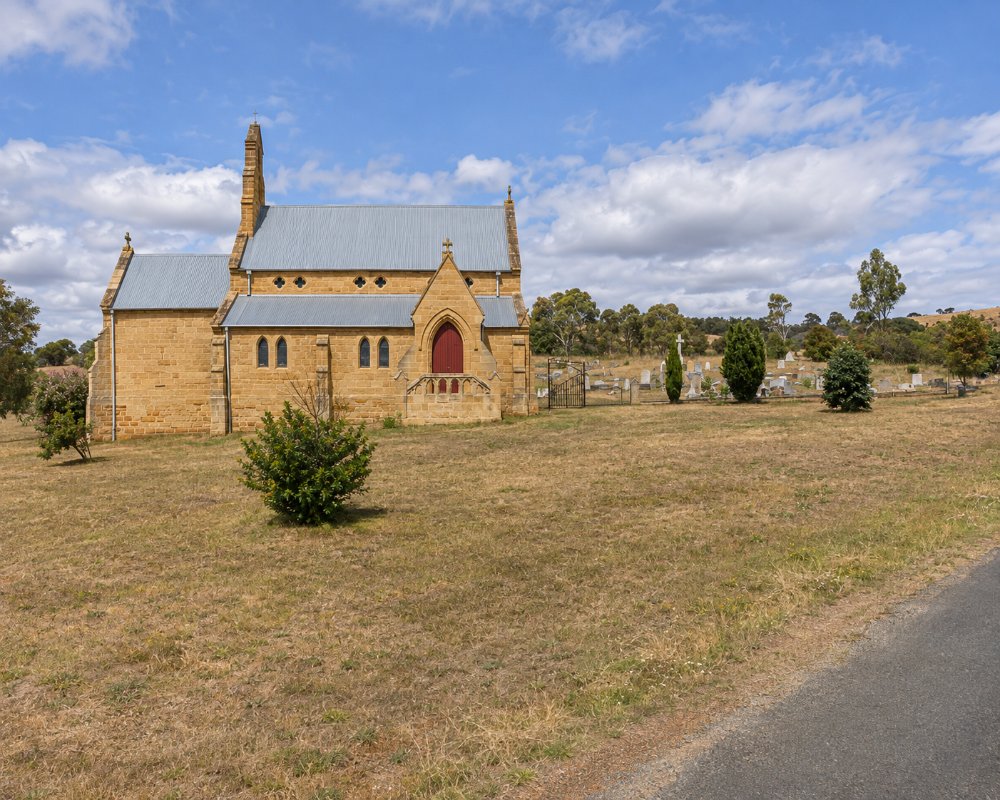
- St Patrick’s Church, designed by Augustus Pugin
Colebrook’s history is rich and layered, starting with its origins as a convict probation station in the late 1830s and 1840s. The town was initially called Jerusalem Plains and later Colebrook Dale before adopting its present name in 1894. The remnants of its convict heritage, including barracks and a hospital, provide a tangible link to the past.
The devastating bushfires of 1967 nearly erased this community, but resilience saw it rebuilt, preserving many of its historical treasures. Walking through Colebrook, you can feel the echoes of its colonial history intertwined with the determination of its people.
The architecture of Colebrook is one of its most defining features. At the heart of the town stands St Patrick’s Catholic Church, a masterpiece designed by the Gothic Revival architect Augustus Pugin. The church is one of only three Pugin-designed structures in Tasmania and represents a stunning example of mid-19th-century ecclesiastical design.
Other notable sites include The Chimneys, a National Trust-listed building that has served various roles, including a convent, and the historic sandstone Colebrook Courthouse, built by convict labor. Each structure offers a window into the town’s evolving identity over centuries.
For those eager to explore, Colebrook offers opportunities to connect with its history and surroundings. Historic walking tours, often led by the Colebrook Progress Association, provide an in-depth look at the area’s landmarks and stories.
The rural landscapes surrounding Colebrook are ideal for nature lovers. Rolling hills, open fields, and tranquil pathways invite leisurely walks or bike rides. Nearby, you can explore wineries and farmlands, adding a layer of contemporary rural life to your visit.
Things To Do in Colebrook
St Patrick’s Church and the Benedictine Monks
St Patrick’s, on Arthur Street, was consecrated in 1857 and was built to Pugin’s design for a small English village church; its foundations are said to use stone from the probation station’s perimeter wall. Since 2019 a community of Benedictine monks, based at Notre Dame Priory just south of town, has used the church for daily Mass, so check before visiting during services.
The Jerusalem Probation Station
Some sandstone walls and the old hospital building of the convict station survive in the village. The hospital dates from about 1835 and was designed by the Royal Engineers, and a cell still survives downstairs. The site is on the Tasmanian Heritage Register, and the remains are best seen on a slow walk around the village.
St James’ Anglican Church and the History Room
St James’ was begun in 1882 and opened in 1884, replacing an earlier prison chapel. The Colebrook History Room, in the park on the old school site, opens by appointment.
Where To Stay
Colebrook is small but hospitable, with accommodations available in nearby towns such as Campania, Brighton, and Richmond.
For a cozy and personal experience, bed-and-breakfasts in the surrounding areas offer a warm welcome and a taste of local life. Campania Hills Vineyard B&B is a standout option, located just a short drive from Colebrook. Surrounded by vineyards, this B&B provides not only comfortable accommodations but also the chance to enjoy local wines and the peacefulness of rural Tasmania.
In the historic town of Richmond, Mulberry Cottage Unique B&B Accommodation offers themed cottages set amidst beautiful gardens. Guests can enjoy a blend of comfort and history, making it a delightful place to unwind after a day of exploration.
Colebrook is a quiet stop with no town accommodation to speak of, so most travellers stay in the bigger towns along the Midland Highway. About 30 km north by road, Oatlands has The Kentish Hotel, a heritage-listed pub from 1832 with seven self-contained rooms, and 101 Oatlands, a restored two-bedroom period home near Callington Mill. Oatlands also has a free dump point on William Street, with water, open around the clock and long enough for big rigs.
On the Midland Highway, Kempton has a converted church, St Peter’s, let as a whole house, and a roadside stopover for self-contained vehicles with some powered sites and a 48-hour limit. Closer to Hobart, Brighton Council’s Pontville RV Park on Glen Lea Road takes self-contained vans for up to 48 hours for a small nightly fee, with a dump point and drinking water. Epsom House in Pontville is a Georgian former coaching inn with guest rooms offered around its weddings and concerts.
Eat & Drink
Dining in the area is equally inviting. Richmond, just a short drive away, is home to charming eateries, while Oatlands has The Pancake and Crepe Shop, known for its delightful meals and welcoming ambiance. For a hearty Australian pub experience, head to Huntington Tavern in Kempton.
Bring supplies, as services in Colebrook are limited. On the way in from Hobart, SISU Wines on Colebrook Road at Campania is a newer Coal River Valley cellar door with single-vineyard wines, and tastings are booked ahead. Richmond, about 25 km south, has the widest choice of cafes and bakeries in the area. Heading north, Oatlands has The Kentish Hotel, the Bunch cafe on High Street for breakfast, lunch and weekend wood-fired pizza, and Callington Mill Distillery, which serves lunch daily. In Kempton, the Huntington Tavern and the cafe at Old Kempton Distillery are good for lunch.
History
The Oyster Bay (Paredarerme) people lived in this valley before Europeans arrived. The name Jerusalem dates from about 1806, when soldiers hunting game for hungry Hobart Town gave the plains biblical names; another story credits the district constable Jorgen Jorgenson. Under Governor Franklin it became Colebrook Dale. From about 1839 the probation station housed convicts moved between Richmond and Oatlands, and it closed in 1848. The railway’s Main Line still runs through the town, and in 1894 the post office and station took the name Colebrook. The fires of 7 February 1967 destroyed the state school, the post office, the Railway Hotel, two shops and many homes. In 1986 the Craigbourne Dam was built nearby, and the 1822 Colebrook Park house was dismantled and moved from its site.
Getting to Colebrook
The easiest way to reach Colebrook is by car, taking the B31 route through Tasmania’s scenic Midlands. Public transport options are limited, making a private vehicle the most convenient mode of travel. As you drive, enjoy the picturesque vistas of rural Tasmania that lead you to this historical gem.
Colebrook continues to intrigue visitors with its harmonious blend of history, architecture, and countryside allure.
Experiences
- Historic/Heritage
- Rural/Country
- Self-Drive
Popular Activities
- Bush Walking
- Food and Wine
About Colebrook
- Locality: Rural locality
- Colebrook Postcode: 7027
- State: Tasmania
- Region: Hobart and South
- Latitude: -42.53435
- Longitude: 147.3641
- Timezone: Australia/Tasmania
