
National Park, TAS
In the heart of Tasmania, just an hour’s drive from Hobart, lies National Park – a small but significant locality that serves as the gateway to Mount Field National Park. Known for its breathtaking waterfalls, towering eucalypt forests, and alpine scenery, this destination offers a blend of natural beauty and outdoor adventure.
Known For
- Gateway to Mount Field National Park
- Iconic waterfalls like Russell Falls
- Unique alpine and rainforest ecosystems
National Park’s story is closely tied to Tasmania’s early conservation efforts. In 1885, the area surrounding Russell Falls was declared Tasmania’s first nature reserve, showcasing the importance of its pristine environment. Later, in 1916, Mount Field National Park was officially established, making it one of the first national parks in Australia. This heritage is a testament to the long-standing commitment to preserving the natural beauty and biodiversity of the region.
The locality itself is small, with just a handful of permanent residents, but its cultural significance runs deep. Visitors often explore the park’s historical walking trails, some of which trace paths trodden by early conservationists and settlers.
National Park and its surrounding areas offer a wealth of activities and natural wonders, catering to adventurers, nature lovers, and those seeking relaxation in a stunning environment. From iconic sights within Mount Field National Park to lesser-known gems in the vicinity, there’s plenty to discover.
Russell Falls is often the first stop for visitors, and for good reason. The falls are both easily accessible and mesmerizing, with their tiered cascades set against a lush rainforest backdrop. The walking trail to the falls is well-maintained, making it suitable for visitors of all ages and abilities. During the evening, the surrounding forest sometimes comes alive with the light of glow-worms, offering a magical experience for those who linger into twilight.
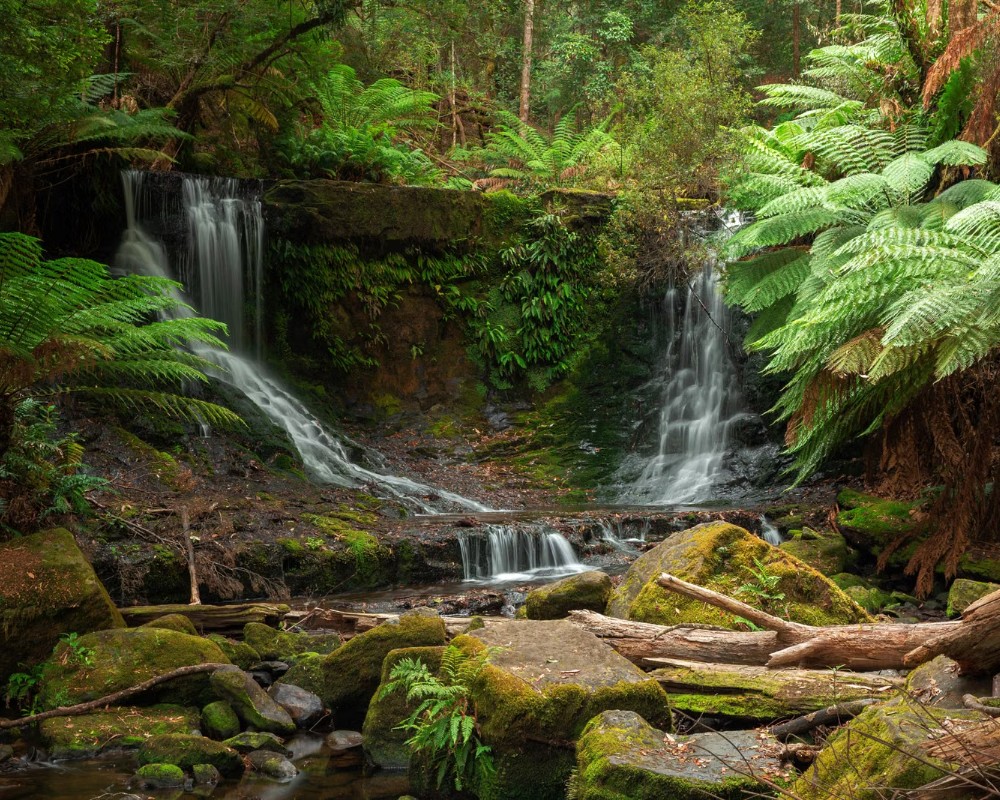
For those who wish to explore further, a short walk beyond Russell Falls leads to Horseshoe Falls, a smaller yet equally enchanting waterfall. Another highlight, Lady Barron Falls, is part of a longer circuit walk, rewarding visitors with its secluded beauty and tranquil surroundings.
In winter, the alpine region of Mount Field National Park transforms into a winter wonderland. Mount Mawson offers skiing and snowboarding opportunities for enthusiasts. Even during the warmer months, the alpine trails here are worth exploring, with views that stretch across Tasmania’s rugged landscapes. Visitors can also discover glacial lakes like Lake Dobson, surrounded by endemic vegetation.
National Park is a haven for wildlife. Early morning and dusk are the best times to spot native animals such as wallabies, pademelons, and echidnas. Birdwatchers will be delighted by the variety of species, including pink robins, wedge-tailed eagles, and yellow-tailed black cockatoos. Near the water bodies, you might even catch a glimpse of the elusive platypus.
One of the park’s standout features is the Tall Trees Walk, where visitors can admire some of the tallest flowering plants in the world. These swamp gums (Eucalyptus regnans) soar over 80 meters high, creating a canopy that is as awe-inspiring as it is humbling. Information boards along the trail provide insight into the ecological significance of these giants and the unique environment they inhabit.
Each season offers a different perspective of National Park. Autumn is particularly striking, with the fagus (Nothofagus gunnii), Tasmania’s only deciduous tree, putting on a vibrant display of golden and orange hues. Spring, on the other hand, bursts with wildflowers and lush greenery, making it an ideal time for photography and leisurely walks.
With minimal light pollution, National Park is an excellent spot for stargazing. On clear nights, the Milky Way is vividly visible, and during certain times of the year, you might even catch a glimpse of the Southern Lights (Aurora Australis). Bring a blanket, lie back, and let the vast Tasmanian sky leave you in awe.
For anglers, Lake Dobson and nearby rivers provide opportunities to catch trout. The tranquil waters and serene surroundings make fishing here as much about the experience as the catch. Kayaking and canoeing are also popular activities, particularly in the warmer months.
While the park itself is a focal point, the nearby villages of Westerway and Maydena add to the experience. Westerway, known for its berry farms, invites visitors to pick fresh produce during the harvest season. Maydena, on the other hand, is an adventure hub offering mountain biking trails and guided tours into the Tasmanian wilderness.
Although limited in visible markers, the area has historical ties to Tasmania’s Aboriginal communities. Guided tours or self-guided exploration can provide insights into the region’s cultural significance, making the visit both enriching and reflective.
Things To Do in National Park
Three Falls Circuit
The sealed track to Russell Falls is only about 1.4 km return and suits wheelchairs and prams, but it is worth carrying on. The Three Falls Circuit, about 6 km, links Russell Falls with Horseshoe Falls and Lady Barron Falls in one loop of two to two and a half hours, climbing through tall swamp gum forest and tree-fern gullies before dropping back to the visitor centre.
Lake Dobson and the Tarn Shelf
Lake Dobson Road climbs 16 km of winding gravel from the park entrance to the alpine car park at Lake Dobson. It does not suit caravans, campervans or buses, chains may be needed in winter and the road can close in snow, so check conditions with the visitor centre before you set off. From the car park, the short Pandani Grove walk starts close by, and the Tarn Shelf circuit (about 12 km, five to six hours) passes a string of glacial tarns that turn gold with fagus in autumn.
Mount Field East and the Alpine Huts
For a bigger day, the Mount Field East circuit via Lake Nicholls (about 10 km, four to five hours) climbs to a summit with wide views, and the long Mount Field West walk takes eight to nine hours return. Parks and Wildlife rents out the Mount Field Government Huts as a base for alpine walking and winter snow trips, and old walkers’ huts such as the Lake Fenton and Twilight Tarn huts still stand along the tracks.
Maydena and the Styx Valley
Maydena, 12 km west, has the Maydena Bike Park, pedal-powered rail carts on the old forestry railway and a short rainforest walk to the mouth of Junee Cave. South of the town, forestry roads lead into the Styx Tall Trees Conservation Area, where some of the tallest swamp gums in the world stand beside the river.
Where To Stay
For those staying overnight, the National Park Hotel provides comfortable lodging with a touch of history. Camping is another popular option, with facilities within the park catering to both powered and unpowered setups. Nearby towns like Maydena and Westerway also offer a variety of accommodations, from cozy cottages to modern lodges, ensuring there’s something for every traveler’s preference.
The Mount Field campground sits inside the park entrance, about 200 metres from the visitor centre, beside the Tyenna River. It has powered and unpowered sites, token-operated hot showers, washing machines and dryers and a communal cooking shelter with hot water. Sites are now booked online at a flat rate for up to six people, with a 14-night limit and a parks pass needed, and campfires are not allowed (fuel stoves only). Just outside the park, Left of Field Camping Gardens has roomy powered and unpowered sites in a quirky garden setting, with showers, a camp kitchen, an outdoor bush bath and a licensed bar, and dogs are welcome on a lead.
Russell Falls Holiday Cottages has four self-contained cottages at the park entrance, with a footbridge across the river to the falls track. Up on the plateau, Parks and Wildlife rents out the Mount Field Government Huts, a base for alpine walks and winter snow trips. Maydena, 12 km west, adds Giants Table Cottages, Maydena Lodge and Maydena Mountain Cabins and Alpacas, and Curringa Farm near Hamilton has farmstay cottages overlooking Lake Meadowbank.
Eat & Drink
The National Park Hotel is a great spot to grab a hearty meal after a day of exploring. For lighter options, nearby cafés in Westerway serve fresh, local produce and coffee. Whether you’re in the mood for classic pub fare or a more relaxed café vibe, the region offers options that complement the natural surroundings.
The Waterfalls Cafe and Gallery in the Mount Field Visitor Centre is the main place to eat in National Park. It opens every day of the year, serving burgers, soups and seasonal specials made with local produce, and its gallery sells Tasmanian crafts and gifts. Left of Field, beside the Tyenna River, has a well-stocked licensed bar and regular live music, with a resident performer on Friday evenings. About 7 km east at Westerway, the Possum Shed is a riverside cafe for coffee, cake and lunch, the Westerway Raspberry Farm sells berries, ice cream and coffee from its farm-gate shop through summer, and the Westerway Roadhouse is known for its home-made pies.
At Maydena, 12 km west, the bike park’s cafe and beer garden serves barista coffee and meals on riding days, Maydena Eats next to Maydena Lodge cooks hearty dinners and breakfasts, and the bike park’s Summit building hosts bookable sunset dinners at 1,100 metres. For fuel, the Bushy Park Roadhouse is about 18 km east, and the nearest supermarkets are in New Norfolk, about 38 km east.
History
Parks and Wildlife notes that the Mount Field area probably lay within the country of the Big River people, and surveys in the nearby Florentine Valley have found evidence of Aboriginal occupation going back more than 35,000 years. The reserve set aside around Russell Falls in 1885 became a national park in 1916 and was simply called National Park until 1947, when it was renamed Mount Field after Judge Barron Field, who visited Van Diemen’s Land in 1819 and 1821.
The village kept the old name and was gazetted as a locality in 1959. The Derwent Valley railway reached Westerway in 1909 and was later pushed further up the valley, bringing excursion trains of sightseers from Hobart to Russell Falls; the line beyond New Norfolk closed in 1995. The park joined the Tasmanian Wilderness World Heritage Area in 2013.
Getting There
Reaching National Park is straightforward. From Hobart, a scenic one-hour drive takes you through the Derwent Valley on the Lyell Highway to New Norfolk, then the Gordon River Road through Westerway. While public transport options are limited, car hire services provide flexibility for those wanting to explore at their own pace. For visitors traveling from further afield, Hobart Airport is the closest major hub, with car rental options available on arrival.
Visitors to National Park will find a well-equipped visitor center, which provides maps, information, and insights into the area’s flora and fauna. The park also features restrooms, picnic areas with barbecue facilities, and ample parking, ensuring a convenient experience for day-trippers and campers alike.
Experiences
- Caravan and Camping
- Nature based
- Self-Drive
Popular Activities
- Bird Watching
- Bush Walking
- Caravan and Camping
- National Park
About National Park
- Locality: Rural locality
- National Park Postcode: 7140
- State: Tasmania
- Region: Hobart and South
- Latitude: -42.68663
- Longitude: 146.7183
- Timezone: Australia/Tasmania
