
Kulja, WA
Kulja, a quiet town in Western Australia’s Wheatbelt, offers a unique glimpse into rural life and the state’s rich agricultural history. Located approximately 253 kilometers northeast of Perth, Kulja is a straightforward drive that takes around three hours.
Known For
- Historical role in Western Australia’s wheat industry.
- Stunning wildflowers during spring.
- Nearby outdoor attractions like Mollerin Rock.
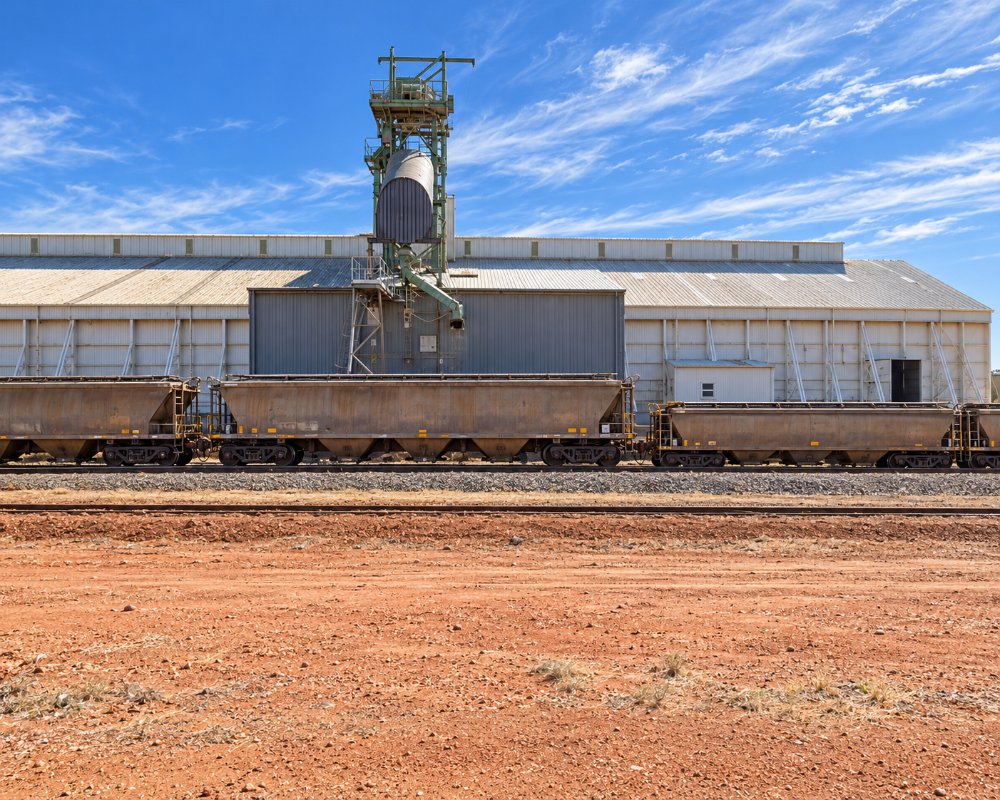
Kulja is a wheat-bin locality in the far north of the Shire of Koorda, about 25 km east of Kalannie and 50 km north-north-west of Koorda on the Koorda–Kulja Road, with Burakin about 12 km west-south-west. There are no services, but the granite reserves nearby make good bush camps.
While Kulja itself is small, its charm lies in the tranquil experience it offers. Visitors can take leisurely drives through the surrounding farmland, marveling at the vast, open landscapes that characterize the Wheatbelt.
Things To Do in and around Kulja
Wildflowers and the Granite Rocks
Kulja is surrounded by the Wheatbelt’s natural beauty, making it an ideal destination for those who enjoy outdoor activities. In spring, the area bursts into color with wildflowers, attracting nature enthusiasts and photographers. Nearby sites like Mollerin Rock and Petrudor Rocks are popular for hiking, picnicking, and exploring unique geological formations.
Mollerin Rock
About 30 km east of Kulja on the Kulja–Mollerin Rock Road, this granite reserve has picnic tables, camping and a toilet. The climb gives wide views across the wheat country, and orchids grow around the base in late winter and spring.
Newcarlbeon Reserve
Roughly 20 km south-south-east of Kulja, this Shire of Koorda reserve has bush camping, picnic tables and a toilet, and it pairs well with Mollerin Rock in one loop.
Koorda Native Flora Reserve
This 28-hectare reserve on Mulji Road, 16 km north of Koorda, has a wildflower walk trail, barbecues, tables and a toilet.
Koorda Museum and Drive-In
Koorda’s museum fills a building that was once the hospital, then a school hostel and a police station, with a hospital room, a parlour and a farm workshop of old machinery, and it opens on Sunday mornings from April to September. The town’s 1965 drive-in screens a double feature about once a month from February to December.
Where To Stay
Accommodation options within Kulja are limited, reflecting its size and quiet character. However, nearby towns such as Koorda and Dalwallinu offer a variety of choices, from comfortable motels to family-friendly caravan parks. These towns also provide easy access to Kulja for day trips, allowing visitors to explore the area while enjoying more comprehensive amenities.
Kulja has no fuel or shops; Koorda Caravan Park, about 43 km south-south-east, and Dalwallinu Caravan Park, about 64 km west, both have free dump points. Expect a mix of sealed and gravel roads in the district.
The closest camping is in the bush at Mollerin Rock and Newcarlbeon Reserve, Shire of Koorda campgrounds with toilets but no power, so bring water. Kalannie Caravan Park on Roche Street is basic and booked through the general store.
Koorda Caravan Park on Scott Street has 24 powered sites plus unpowered overflow space, six ablution rooms, an undercover camp kitchen with electric barbecues, a grassed tent area and a free dump point, and pets on leads are welcome. Koorda also has the Koorda Hotel, the Yalambee self-contained units and shire short-stay rooms.
Eat & Drink
Dining options in Kulja are sparse, but the nearby towns of Koorda and Dalwallinu are home to cafes and pubs where visitors can enjoy hearty meals. Local dishes often highlight the region’s agricultural produce, providing a true taste of the Wheatbelt.
Kulja has nowhere to eat or buy fuel. In Kalannie, the general store opens early on weekdays and on weekend mornings, and there is a card-operated fuel station. In Koorda, the Koorda Hotel on Railway Street serves counter lunches daily and dinners most nights, with takeaway and a bottle shop, the IGA has a coffee and breakfast counter, and there is card fuel on Railway Street. Pack lunch and water for a day at Mollerin Rock.
History
Kulja’s history dates back to the early 20th century when it was established as a railway siding on the Ejanding Northwards line. The Indigenous Australian name for a nearby soak inspired the town’s name, reflecting its deep connection to the land. Gazetted in 1928, Kulja grew as a hub for the local grain industry, with significant infrastructure like grain elevators introduced in the 1930s to support farming.
Today, the remnants of this agricultural past are still visible, with Kulja continuing to play a small but vital role in Western Australia’s wheat production. Its historical roots make it an interesting stop for those curious about the evolution of rural communities in the region.
Kulja is on Ballardong Noongar country, and the soak that gave it its name was first shown on maps in 1908. Premier Collier opened the railway through Burakin to Kulja on 17 May 1929, a post office ran from 1928 to 1973, and in 1932 the Wheat Pool installed two engine-driven grain elevators at the siding. Kulja is still a CBH receival site, and the 2021 census counted 20 residents.
Getting to Kulja
Kulja is best reached by car, offering a scenic drive through Western Australia’s countryside. Starting from Perth, take the Great Northern Highway before connecting to regional roads that lead to Kulja. While public transport options are minimal, the journey by road is an experience in itself, with expansive farmland and occasional wildlife sightings along the way.
From Perth it is about 255 km and three hours, by the Great Northern Highway to Dalwallinu and east through Kalannie, or via Northam, Goomalling, Dowerin, Wyalkatchem and Koorda and north on the Koorda–Kulja Road. The main roads are sealed, but expect gravel on local roads.
Kulja’s location and history make it a unique destination for those exploring the Wheatbelt. Whether you’re interested in its agricultural heritage, the beauty of its natural surroundings, or simply seeking a quiet escape, Kulja invites you to step back in time and immerse yourself in the rhythm of rural Western Australia.
Experiences
- Nature based
- Rural/Country
- Self-Drive
Popular Activities
- Bush Walking
- Caravan and Camping
- Driving
About Kulja
- Locality: Rural locality
- Kulja Postcode: 6470
- State: Western Australia
- Region: Esperance & the Golden Outback
- Latitude: -30.48107
- Longitude: 117.28352
- Elevation: 321m
- Population: 18
- Median Income: $35724
- Area (Sq/km): 577.59
- Timezone: Australia/Perth
