
Wyperfeld National Park, VIC
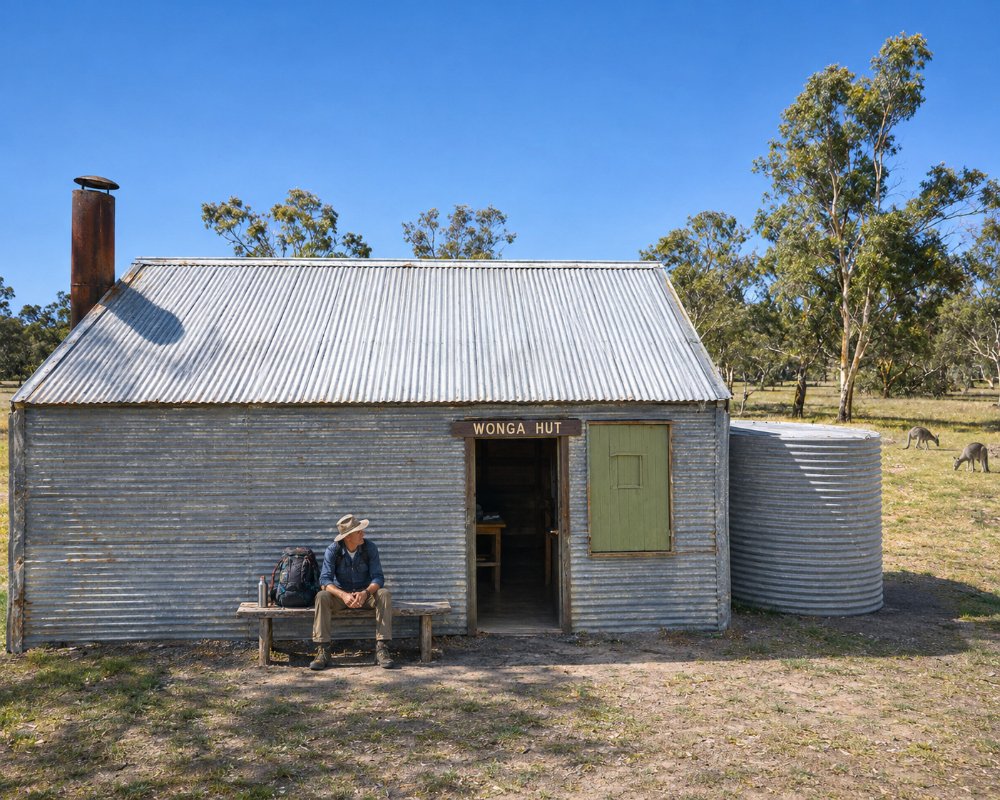
Wyperfeld National Park protects more than 357,000 hectares of mallee, sand dunes, heath and dry lake beds in north-western Victoria, about 450 km from Melbourne. It is Victoria’s third-largest national park, one of its oldest, and a remote, peaceful place of big skies, red sand and wildlife, with emus, kangaroos, malleefowl and Major Mitchell’s cockatoos.
The southern end, around the Wonga campground, is reached by a sealed road from Rainbow or Hopetoun via Yaapeet, and the quieter northern end from Patchewollock. Fires in January 2026 burned large areas of grassland in the park and the neighbouring Big Desert, and parts of the park were closed for a time, so check Parks Victoria before you go.
Known For
- Mallee, sand dunes and dry lake beds
- Emus, kangaroos and malleefowl
- Wonga campground and the Tyakil Nature Walk
Things To Do in the Park
Walks from Wonga
The Tyakil Nature Walk, about 4.5 km and two hours, starts from the Black Flat car park near Wonga and follows deep sand past river red gums to Round Lake, with information stations along the way. The Discovery Walk, about 4 km return, climbs Mount Mattingley for views, and the Desert Walk, 6 km from Nine Mile Square, crosses the mallee. A short climb to the Eastern Lookout is good for sunsets and spotting kangaroos and emus.
James Barrett Nature Drive
The 15 km James Barrett Nature Drive is a two-wheel-drive loop from Wonga through mallee and dunes, with stops along the way. A replica of an 1860s drought-era whim stands at Wonga Lake.
Snowdrift and the North
In the north of the park, Snowdrift is a huge white sand dune overlooking the Wirrengren Plain, reached from Patchewollock. Casuarina campground is a quiet base for exploring.
The Lakes
Wyperfeld’s chain of lakes, fed in flood years by Outlet Creek from Lake Albacutya, has not filled since 1975, and the lake beds are now grassland ringed by river red gums and black box.
Pine Plains and the Wirrengren Plain
The northern end of the park takes in Pine Plains, once a pastoral station developed by the O’Sullivan family and now one of the best places in the Mallee to look for malleefowl, along with Major Mitchell’s cockatoos and wedge-tailed eagles. Below the white dunes of Snowdrift and Mount Jenkins, the Wirrengren Plain is the very last link in the Wimmera’s chain of lakes; it takes water only in the rarest floods, after Lake Hindmarsh and Lake Albacutya have both filled.
Where To Stay
Wonga campground has about 60 unpowered sites suitable for caravans, with a gas barbecue shelter, pit toilets and untreated water; it must be booked and paid for in advance. Casuarina and Snowdrift, in the north, have non-flush toilets and are free, with no bookings. Generators are not allowed.
This is remote country: fill up with fuel and water in Hopetoun or Rainbow, carry everything you need, and remember that most tracks beyond the main roads, such as Gunners Track, are soft sand and four-wheel drive only. The sealed road to Wonga suits caravans.
Each Wonga site has a fireplace with a grill plate, but firewood cannot be collected around the campground, so bring your own wood or heat beads, and no fires can be lit on Total Fire Ban days (gas cookers are fine). Bring all your drinking water. Wonga links to a walking network of about 45 to 55 km, so it suits a stay of several nights. In the north, hikers can use the Northern Remote hike-in campgrounds.
Outside the park, the Yaapeet Camping Ground at the Yaapeet Recreation Reserve, about 20 km south of Wonga, has powered and unpowered sites, amenities and a “chop shed” with an open fire for cooking. The Rainbow Holiday Park, about 45 km from Wonga, has cabins and ensuite sites, and in Hopetoun the Mallee Bush Retreat on Lake Lascelles and Hopetoun Caravan Park have cabins and powered sites. In the north, the Patchewollock Hotel has rooms and a block of powered caravan sites next door.
Fuel is at Schillings Service Station in Rainbow, a self-serve BP on the Henty Highway in Hopetoun, and the Patchewollock Community Store, which keeps short weekend hours. Hopetoun and Warracknabeal have the nearest dump points.
Eat & Drink
There is nowhere to eat in the park. The Patchewollock Hotel, known for its Wyperfeld steak, serves meals in the north, and Hopetoun’s bakery and community hotel and Rainbow’s bakery and pub are the closest options in the south.
There is no food in the park. For the southern end, Rainbow, about 45 km from Wonga, has the Bow Bakery and Hayden’s Cafe on Federal Street and the Eureka Hotel. Hopetoun, about an hour away, has a second Bow Bakery, the Hopetoun Cafe for burgers and fish and chips, and the Hopetoun Community Hotel Motel for pub meals. In the north, the Patchewollock Hotel serves its Wyperfeld steak, a scotch fillet topped with two fried eggs, and the Patchewollock Community Store has hot food and basic groceries.
History
This is the Country of the Wotjobaluk Peoples, and the park is co-managed with the Barengi Gadjin Land Council. Wyperfeld was declared a national park in 1921, one of the first in Victoria, and has been greatly enlarged since. In January 2026 the Boinka fire burned about 50,000 hectares of grassland across the park and the Big Desert; the south-west, including Wonga, reopened in March.
Getting to the Park
Wyperfeld is about 450 km north-west of Melbourne. For Wonga, drive to Hopetoun or Rainbow, then to Yaapeet and on to the park on a sealed road; Wonga is about 40 km from Rainbow. For Casuarina, take the two-wheel-drive road from Patchewollock, about 20 km. There is no public transport.
Experiences
- Eco Tourism
- Nature based
- Remote
- Self-Drive
Popular Activities
- Bird Watching
- Bush Walking
- Caravan and Camping
- National Park
- Wildlife
