
Wahroonga and Turramurra, NSW
Wahroonga and Turramurra are neighbouring suburbs on the upper north shore, about 20 kilometres north-west of the centre of Sydney. They sit on the highest and wettest part of the ridge, which has given them towering trees and some of the finest private gardens in the country. These are suburbs of large Federation and interwar houses, village shopping streets and bushland that runs straight into a national park.
Known For
- Grand houses, tall trees and famous gardens
- Wahroonga Park and village shops
- Gateway to Ku-ring-gai Chase National Park
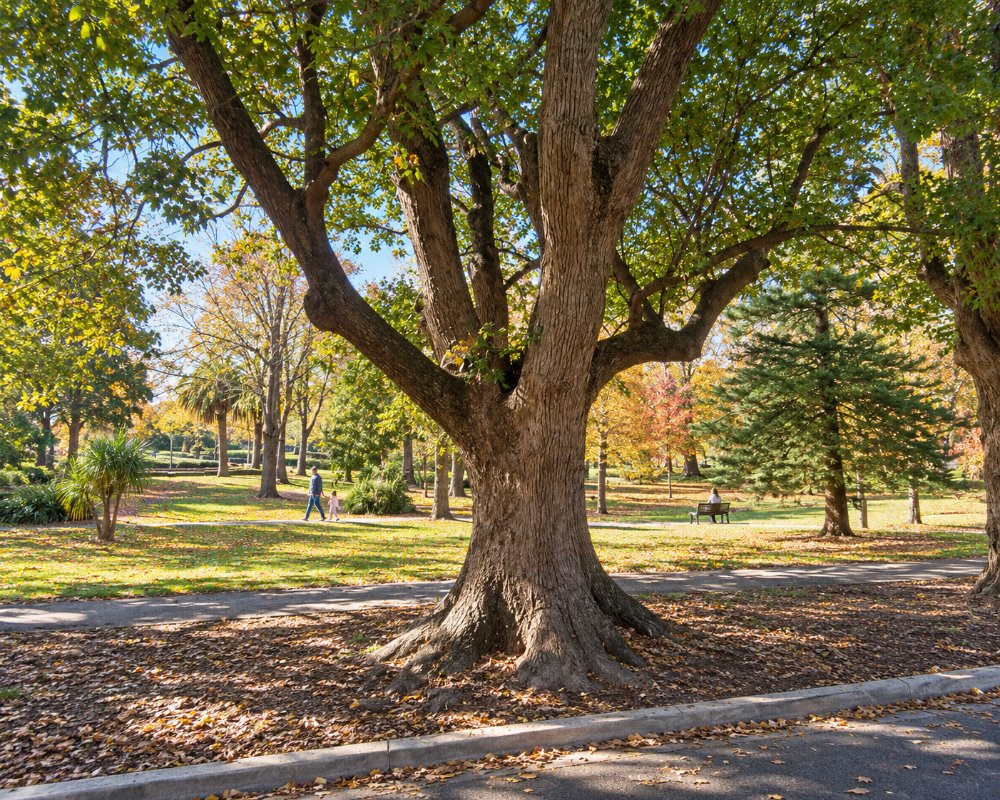
Both suburbs are strung along the Pacific Highway and the North Shore railway, with a small shopping centre at each station. Streets lined with liquidambars, jacarandas and blue gums spread out on either side, ending in bush gullies. Hornsby is a few minutes further north.
Things To Do in Wahroonga and Turramurra
Wahroonga Park
Beside the station, this formal park laid out in the 1890s has rose beds, azaleas, a rotunda and a large playground under mature trees. It is at its best in spring and autumn. The village across the road has cafes, bookshops and delicatessens in a row of heritage shopfronts.
Gardens and Architecture
A walk or drive along Burns Road, Water Street and the surrounding streets in Wahroonga passes many grand houses by leading architects of the early 1900s, set in deep gardens. Several open to the public during spring garden festivals. Rose Seidler House, a landmark modernist home designed by Harry Seidler in 1950, stands on the edge of the bush nearby and opens on limited days.
Bushwalks
Tracks lead from the northern edge of both suburbs into the valleys of Ku-ring-gai Chase National Park. From North Turramurra, the road and walking tracks descend to Bobbin Head on Cowan Creek, with its picnic grounds, marina and mangrove boardwalk. Sheldon Forest in Turramurra and the nearby Great North Walk, which can be joined at Pennant Hills or Hornsby, offer shorter walks through tall blue gum forest.
Ku-ring-gai Wildflower Garden
At neighbouring St Ives, this large bushland reserve has easy tracks through heath and woodland, a visitor centre and picnic areas, and is ablaze with native flowers from late winter.
Rose Seidler House
Harry Seidler built this house for his parents on Clissold Road, Wahroonga, between 1948 and 1950, one of the first modernist houses in Australia, still furnished in its original style. Museums of History NSW opens it on Sundays, and entry is free, though booking online is recommended.
Bobbin Head from North Turramurra
Bobbin Head Road runs north through North Turramurra into Ku-ring-gai Chase National Park and winds down to Bobbin Head, with the Bobbin Inn visitor centre and cafe, the Waterside Bistro, boat hire and picnic lawns. The park entry fee is $12 per vehicle per day, and parking fills on weekends.
Where To Stay
Accommodation in these suburbs is limited to a motel near the M1, a few bed and breakfasts and serviced apartments.
There are motels and hotels along the Pacific Highway and in Hornsby, and frequent trains to the city.
The Ascot Motel on the Pacific Highway at Wahroonga, about 300 m from the start of the M1, has Tudor-style rooms and the Fox and Hounds restaurant, handy for drivers heading north. The Hornsby Inn and the Pymble Hotel have pub rooms nearby. For caravans and campervans, Discovery Parks – Lane Cove at Macquarie Park is the nearest tourist park, though its powered sites were temporarily unpowered in late 2026.
Eat & Drink
Each village has a good set of cafes, bakeries and restaurants, with Wahroonga known for its relaxed weekend brunch scene and Turramurra for its mix of Asian and Italian places. There are no big pubs, in keeping with the quiet character of the area.
In Wahroonga Village, Cafe Patina, in a restored 1894 building on Coonanbarra Road, serves breakfast, lunch and some dinners, and Cedarwood Cafe does breakfast and lunch. Neither suburb has a pub of note, so head to the Hornsby Inn or the Pymble Hotel, and Fox Valley shopping centre and the Wahroonga IGA cover supplies.
History
The ridge is the country of the Guringai and Dharug people. Wahroonga is said to come from a word meaning our home, and Turramurra from one meaning high hill. Timber-getters cut the blue gum forest in the 1800s, and orchards followed. When the railway opened in 1890, wealthy city families built country houses here, and strict covenants kept the blocks large and the streets free of shops and hotels.
Getting to Wahroonga and Turramurra
Trains on the North Shore line take about 35 minutes from the city to Turramurra and Wahroonga. By car, follow the Pacific Highway, or use the M2 and the NorthConnex tunnel, which surfaces at Wahroonga. The M1 motorway to the Central Coast begins here.
Experiences
- City
- Historic/Heritage
- Nature based
Popular Activities
- Bush Walking
- National Park
- Shopping
- Sightseeing
About Wahroonga and Turramurra
- Locality: Suburb
- Wahroonga and Turramurra Postcode: 2076
- State: New South Wales
- Region: Sydney
- Latitude: -33.7164
- Longitude: 151.1181
- Elevation: 199m
- Timezone: Australia/Sydney
