
St Kilda, SA
St Kilda is a tiny seaside settlement on the mangrove-fringed coast of Gulf St Vincent, 25 kilometres north of the centre of Adelaide. Fewer than a hundred people live here, at the end of a long straight road across salt pans, yet on a fine weekend it draws thousands. They come for three things that sit side by side: one of the biggest and best adventure playgrounds in Australia, a boardwalk through a mangrove forest, and a museum where historic trams still run.
Known For
- A huge free adventure playground by the sea
- The Mangrove Trail boardwalk and bird sanctuary
- Rides on restored Adelaide trams
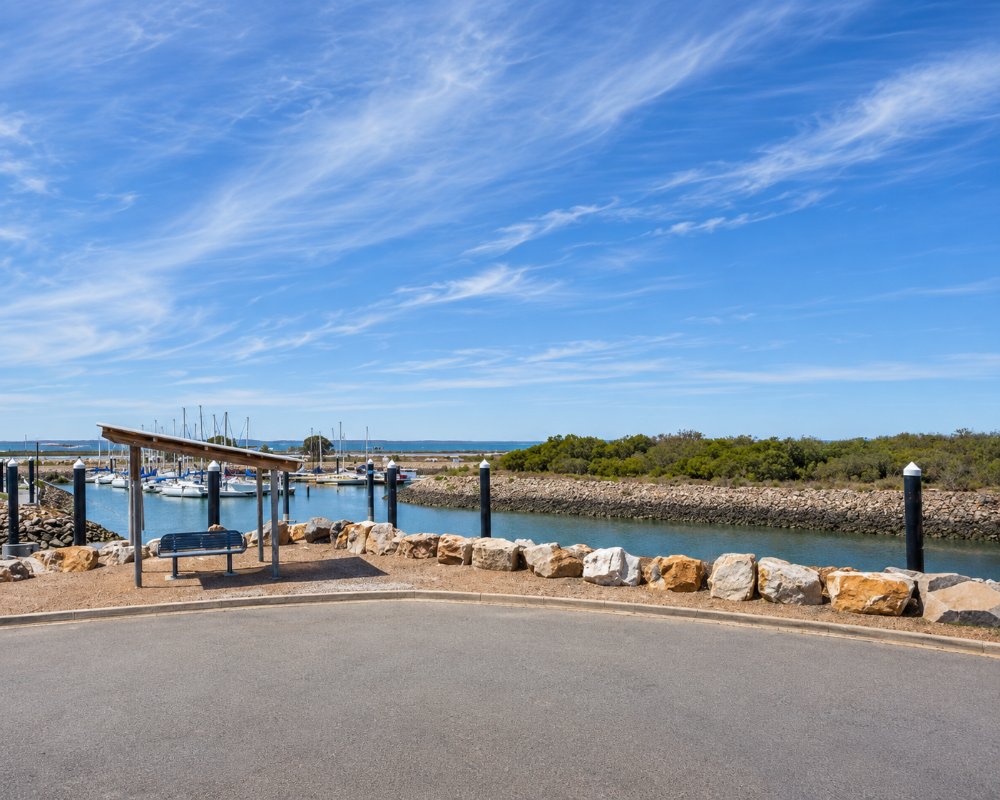
There is no sandy beach. The shore here is tidal mudflat, samphire and mangrove, a rich nursery for fish and a feeding ground for shorebirds that fly in each summer from as far away as Siberia. A boat channel and small marina give access to the gulf.
St Kilda is part of the City of Salisbury. Bring insect repellent in warm weather, as the mosquitoes can be fierce around dusk.
Things To Do in St Kilda
Adventure Playground
Spread over four hectares of foreshore, the playground has a wooden castle with a drawbridge, a wrecked pirate ship, a volcano with tunnel slides, flying foxes, a maze and giant spiral slides, along with newer equipment for small children and those with disabilities. Entry is free. There are lawns, shelters and barbecues, and it is busy on weekends and in school holidays.
Mangrove Trail
A boardwalk leads from an interpretive centre into the grey mangrove forest, with signs about the crabs, fish and birds that live there and a lookout over the tidal creeks. Parts of the forest were damaged by salt leaking from nearby ponds in 2020 and are recovering, and the boardwalk and its interpretive centre have been closed for repairs, so check whether they have reopened before you visit.
Tramway Museum
Volunteers have collected and restored more than 20 trams, trolleybuses and horse cars from Adelaide’s former network, some more than a century old. On Sundays and most public holidays, from noon, you can ride them along about 1.6 kilometres of track between the museum and the playground. One ticket covers unlimited rides.
Birdwatching
St Kilda is at the southern end of the Adelaide International Bird Sanctuary, a national park that protects 60 kilometres of coast used by migratory shorebirds. Pelicans, black swans, stilts and sandpipers can be seen from the breakwater and the salt lagoons beside the road.
Fishing and Boating
The boat ramp is one of the most used north of the city, and anglers catch whiting and blue swimmer crabs in the shallow gulf, though garfish and squid have been closed in Gulf St Vincent since May 2026 and snapper until at least June 2027, so check the current rules before you go. Fishing from the breakwater is popular with children.
Where To Stay
St Kilda has almost no accommodation. It is a day trip from the city, about 35 minutes by car.
The nearest hotel rooms are at Mawson Lakes and along Port Wakefield Road, 15 to 20 minutes away.
The nearest large hotel is Crowne Plaza Adelaide Mawson Lakes, about 18 km by road, which opened in December 2024 with 155 rooms, 47 of them with kitchenettes, plus a restaurant, a bar and onsite parking. Quest Port Adelaide on North Parade, about 25 km south, has serviced apartments in the old port town, close to the Maritime and Railway museums, so a family can pair the playground with a day of museums.
For a night by the sea, the Largs Pier Hotel at Largs Bay, about 28 km away, has heritage suites with balconies over the beach and refurbished motel rooms. Caravans and motorhomes are best based at Discovery Parks Adelaide Beachfront at Semaphore Park, about 30 km south, which has powered sites, cabins and a pool, and makes St Kilda an easy day trip with a picnic and the barbecues.
Eat & Drink
The St Kilda Hotel, long known as the St Kilda Beach Hotel and facing the water, is known for big seafood platters and schnitzels and has a deck for watching the sunset. A kiosk at the playground sells ice creams, hot chips and coffee on busy days.
Many families simply bring a picnic or use the free barbecues.
The St Kilda Hotel on Fooks Terrace, a pub since the 1890s, sits by the playground and the mangroves and serves pub classics, seafood and plenty of kids’ meals, and it is busiest from Friday to Sunday, so check opening hours before you go. There is no supermarket or fuel in St Kilda, so bring supplies or fill up on the way in. Mawson Lakes, about 18 km away, is the nearest place with a choice of meals: Crowne Plaza Adelaide Mawson Lakes has a restaurant and bar, and Fasta Pasta has a family restaurant there.
Port Adelaide, about 25 km south, adds old pubs such as the Port Admiral and the Lighthouse Wharf Hotel, Pirate Life Brewing in a former wool store, and Low & Slow American BBQ, which makes a good stop on the drive home.
History
This coast is Kaurna country, and the mangroves and mudflats were a rich source of food. Fishermen built huts on the low shell-grit islands here from the 1860s, and the town was proclaimed in 1893. It is said to have been named after the Scottish island of St Kilda because of its abundant seabirds.
Salt has been harvested from evaporation ponds along the road since the 1930s. The playground opened in 1982 and has been extended several times, most recently around 2020.
Getting to St Kilda
There is no regular public transport. By car, take Port Wakefield Road north from the city and turn left at St Kilda Road, near Waterloo Corner; the settlement is seven kilometres further on.
Experiences
- Eco Tourism
- Nature based
- Self-Drive
Popular Activities
- Bird Watching
- Fishing
- Fishing - Estuary
- Sightseeing
- Wildlife
About St Kilda
- Locality: Rural locality
- St Kilda Postcode: 5110
- State: South Australia
- Region: Adelaide
- Latitude: -34.73910
- Longitude: 138.53629
- Elevation: 7m
- Timezone: Australia/Adelaide
Accommodation In St Kilda
Discover some of the accommodation in and around St Kilda
