
Port Albert, VIC
Port Albert is a small fishing village on a sheltered inlet behind a chain of sand islands, about 225 km south-east of Melbourne and 13 km south of Yarram. Founded in 1841, it was the first port in Gippsland, with ships carrying settlers, gold seekers and cattle.
Today it is a quiet place of old stone and timber buildings, fishing boats and seabirds, loved by anglers and anyone who enjoys a slow walk along the wharf.
Known For
- Gippsland’s first port, founded in 1841
- The Port Albert Maritime Museum
- Fish and chips on the wharf
Things To Do in Port Albert
Port Albert Maritime Museum
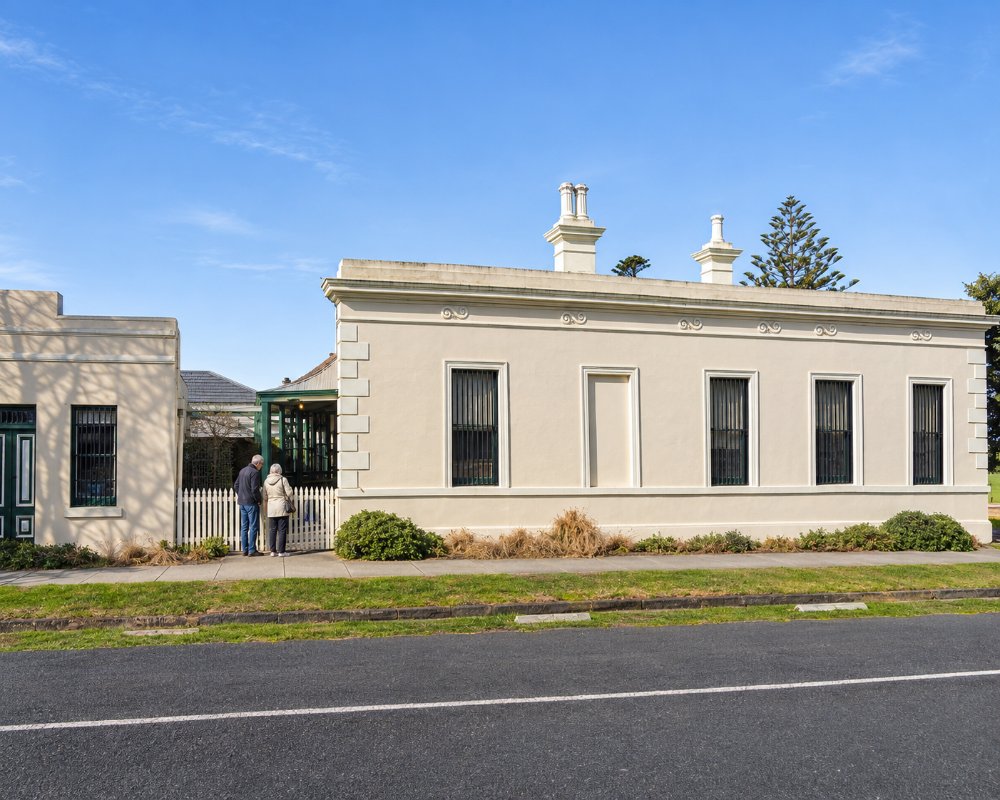
The Port Albert Maritime Museum is in the former Bank of Victoria of about 1861 and tells the story of the port, its shipwrecks, its fishing families and the Gunaikurnai people. It usually opens from Wednesday to Monday and is closed on Tuesdays; entry is about $8 for adults.
Heritage Precinct
Many buildings from the port’s busy 1850s and 1860s survive along Tarraville Road and Wharf Street, including old stores, banks and hotels, and interpretive signs explain their history.
Fishing and Boating
Fish from the wharf and jetties for flathead, whiting and bream, or take a boat into the channels and islands of Nooramunga Marine and Coastal Park, which shelters waders and seabirds.
Rail Trail Link
A 7 km trail links Port Albert with Alberton and the Great Southern Rail Trail, which runs on to Yarram and west to Welshpool.
When To Visit
Summer and autumn are best for fishing and boating. The Tarra Festival brings events to Port Albert and Yarram at Easter, and the village is peaceful in winter.
Fishing Charters and Boat Hire
Several small operators run trips from the wharf. Port Albert Fishing Charters and Eco Tours takes one to three people fishing the inlet or touring Nooramunga Marine and Coastal Park, and 38° South Charters runs inlet and offshore trips for whiting, gummy shark, snapper, flathead and kingfish, leaving from Port Albert or Port Welshpool. To go it alone, Port Albert Fresh Seafoods hires boats and canoes for the calm channels.
Chris Robinson Memorial Trail
The flat foreshore walk, also called the Port Albert Walk, follows the waterfront past the fishing fleet and on through salt marsh and mangroves towards the old Seabank site. Signs explain local history, plants and birds and the life of Chris Robinson, a local Greenpeace activist it is named after. The path suits wheelchairs and prams, and dogs are welcome on a lead.
Christ Church, Tarraville
At Tarraville, a few kilometres north on the road to Yarram, the small blue and white timber Christ Church was built in 1856 and is known as Gippsland’s oldest church. It is a quiet stop on the way into or out of Port Albert.
Where To Stay
The Port Albert Motel, the Boat Harbour Jetty B&B on Wharf Street and the Gowrie Guest House in the heritage precinct offer rooms. The village no longer has a caravan park since the Seabank park closed, so most caravans and campers stay in Yarram, 15 minutes away, though self-contained vans can use a small free parking area on Wharf Street.
The Port Albert Motel on Wharf Street has seven rooms in different bed set-ups, takes pets, and is close to the boat ramp and the fish and chip shop. Boat Harbour Jetty B&B has harbour-view studios with a continental breakfast for two, two free Tesla chargers for guests and a step-free accessible studio. Gowrie Guest House is a loft behind the historic Gowrie House of 1856 in the heritage precinct.
Self-contained stays suit anglers. 29 on Wharf is a three-bedroom waterfront suite with free solar-powered electric car charging, a boat wash-down, fish cleaning and an ice machine. The Angler’s Arms, a former Catholic church opposite the marina, has two units, and the Fisherman’s Cottage next door has space under it for a car and a boat; both take pets. Hooked Inn Cottages sit on a quiet wildflower farm 700 metres from the beach, and Kookaburra Cottage is built for guests with limited mobility.
Self-contained vans can use the free parking area on Wharf Street, which holds up to six vehicles, with generators allowed until 6 pm. There is a dump point at the Port Albert boat ramp, and you need a key to use it, so ask locally. The Yarram Holiday Park, about 13 km north, has powered and en-suite sites and cabins.
Eat & Drink
The Port Albert Fish and Chip Co, at the end of the wharf, cooks the local catch, including flathead tails, and won a special mention at the 2026 Victorian Seafood Industry Awards. The historic Port Albert Hotel, once said to be Victoria’s oldest continuously licensed pub, burned down in 2014, and there are plans to restore another of the old hotels; for now, Yarram has pubs and cafes.
The Port Albert Fish and Chip Co, at 60 Wharf Street, is run by new owners who also make coffee, and it is usually closed on Mondays. Port Albert Fresh Seafoods, also on Wharf Street, sells fish bought straight from the people who caught it, along with bait, ice, coffee and quick takeaway such as burgers and salad rolls. There is little else in the village, so bring supplies or drive the 13 km to Yarram.
In Yarram, the Commercial Hotel serves pub classics in its bistro, the Yarram Bakery Cafe opens every day for pies, pastries and meringues, and the Federal Coffee Palace does breakfast and brunch on weekdays. The Murals Yarram serves slow-cooked meals of local produce and gin from Wednesday to Sunday, and The Bean Pedlar roasts its own coffee beans. Yarram Supermarket and Liquor and the town’s service stations cover groceries and fuel.
History
This is Gunaikurnai Country, home of the Brataualung clan. Settlers arrived by sea in 1841 after Angus McMillan’s overland journeys, and Port Albert became the gateway to Gippsland, shipping cattle to Tasmania and bringing in supplies. During the gold rushes, European and Chinese miners landed here on their way to the goldfields. When the railway reached Gippsland in the late 1870s, the port’s trade faded, and fishing became its mainstay.
Getting to Port Albert
Port Albert is about 225 km south-east of Melbourne, around 2 hours 50 minutes’ drive via the South Gippsland Highway and Yarram. V/Line coaches run from Melbourne to Yarram.
Experiences
- Historic/Heritage
- Nature based
- Relaxation
- Rural/Country
- Self-Drive
Popular Activities
- Bird Watching
- Caravan and Camping
- Cycling
- Driving
- Fishing
- Fishing - Estuary
- Kayaking
- Sightseeing
About Port Albert
Accommodation In Port Albert
Discover some of the accommodation in and around Port Albert
