
Poatina, TAS
Known For
- Hydroelectric power station and history
- Arts and crafts community
- Scenic outdoor activities
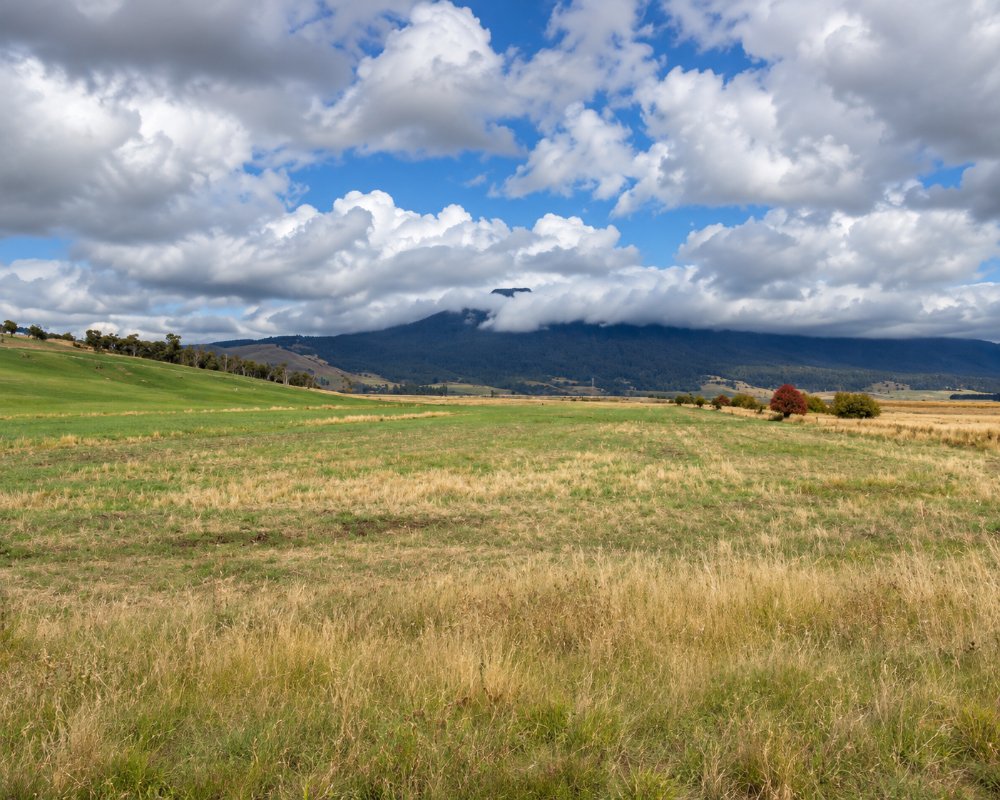
With its unique history, welcoming atmosphere, and stunning surroundings, Poatina has become a destination for travelers seeking a blend of relaxation and exploration. Whether you’re interested in arts, outdoor activities, or simply enjoying the tranquil environment, Poatina has something special to offer.
The history of Poatina is rooted in the mid-20th century, shaped by Tasmania’s evolving energy needs and engineering innovations. In the early 1960s, Tasmania was expanding its hydroelectric capabilities to meet growing electricity demands. Poatina was established as a purpose-built township to house the workers constructing the Poatina Power Station, an ambitious hydroelectric project that would become a cornerstone of the state’s energy infrastructure.
The Poatina Power Station was a marvel of its time, designed to harness the power of water descending from the Great Western Tiers. Unlike most hydroelectric stations, this facility was built entirely underground. Engineers carved a massive cavern into the mountainside to house the turbines and associated equipment. This innovative design not only minimized the station’s environmental footprint but also protected it from external weather conditions, ensuring optimal operation year-round.
The power station officially began operations in 1964 and remains a vital part of Tasmania’s power grid, contributing clean and renewable energy to the state. Visitors to Poatina can still learn about the station’s impressive engineering and the role it plays in Tasmania’s energy landscape.
Once the construction of the power station was complete, the future of the workers’ township became uncertain. By the 1990s, the settlement had diminished, with many of the original workers and their families moving away. However, rather than being abandoned, Poatina found a new purpose.
In 1995, Fusion Australia, a Christian not-for-profit organization, acquired the town with the vision of creating a community focused on youth development, the arts, and hospitality. This transformative moment marked the beginning of Poatina’s new chapter.
Fusion’s stewardship breathed life back into the village. Vacant houses were restored, new facilities were introduced, and a strong emphasis was placed on building a sense of belonging and purpose. This unique model of community living has attracted residents and visitors from around the world, creating a blend of cultural diversity and shared values.
Things To Do
Nestled at the base of the Great Western Tiers, Poatina is a gateway to some of Tasmania’s most picturesque landscapes. The village is surrounded by walking trails that lead to breathtaking views, with opportunities to encounter native wildlife along the way. Nearby, the Poatina Golf Course offers a serene spot for a relaxing game, framed by the mountains’ majestic backdrop.
For those with a love of fishing, Poatina provides access to nearby lakes such as Arthurs Lake and Great Lake, renowned for their abundance of trout. Whether you’re casting a line or simply enjoying the fresh air, the area’s natural beauty is captivating.
Poatina has gained recognition for its vibrant arts community, making it an inspiring destination for creators and art enthusiasts alike. The Poatina Tree Art Gallery showcases works from local artists, celebrating the region’s creative talent. The Hot Glass Studio is another highlight, where visitors can watch live glass-blowing demonstrations and even try their hand at this delicate craft.
The village also hosts regular workshops, offering unique opportunities to learn new skills and connect with the artistic spirit of the community. These experiences reflect the heart of Poatina’s transformation from a functional township to a cultural haven.
The Poatina Tree Art Gallery
The Poatina Tree Art Gallery on the village green is the most reliable place to see the village’s art community at work. It holds changing exhibitions by Tasmanian artists, often with artist talks, and opens from Friday to Sunday. The village also runs creative retreats for artists during the year.
Walking, riding and the Tasmanian Trail
Bush walks and mountain bike tracks run out from the village into the forest at the foot of the Tiers, and Poatina is a recognised stopover on the Tasmanian Trail, the long-distance route for walkers, riders and cyclists. At dusk, look for the nocturnal wildlife that comes out onto the open spaces around the village.
Where To Stay
Whether you’re traveling solo, with family, or in a group, Poatina offers a range of accommodation to suit different needs.
The Poatina Chalet, with motel and hostel rooms looking out to the Great Western Tiers, has new owners and was not taking new bookings in late 2026, so check before you plan a stay. For those seeking more privacy, self-contained mountain cottages provide a cozy retreat amidst nature.
Budget-conscious travelers can opt for the backpackers’ hostel, a friendly and welcoming place that fosters connections among visitors. Camping enthusiasts can also inquire about available sites for caravans or tents.
With the Chalet not taking new bookings, the nearest reliable places to stay are in the farming towns to the north. Cressy, about 25 km away, lets self-contained caravans and motorhomes stay free for up to 48 hours at its recreation ground, with a free council permit and a dump point on site. Cressy House Estate Farm Stay, near Cressy, offers a fully private self-contained house on a family farm whose homestead dates from 1827, and Panshanger Estate, on the Lake River towards Longford, has self-contained rooms in a wing of its historic homestead.
Longford, about 36 km north via Cressy, has Longford Riverside Caravan Park on the Macquarie River, with about 58 powered sites, unpowered sites on the riverbank, a cabin and units, and the restored heritage cottages at Woolmers Estate. Fuel in Poatina itself may not be available while the village is being sold, so fill up at Cressy or Longford before you come. If you plan to continue up to the Great Lake and the Central Plateau, check road conditions first, especially in winter, and carry water and warm gear.
Eat & Drink
Dining in Poatina reflects its community-centered vibe. The View Café and Restaurant serves hearty meals alongside panoramic views, creating a relaxing setting to enjoy local flavors. For a lighter option, the Tiers Tea Lounge offers specialty teas and baked goods in a cozy atmosphere.
For essentials or quick meals, the Poatina General Store provides a convenient option with its range of groceries, fresh produce, and takeaways. Don’t miss their Lavazza coffee and hot food, perfect for fueling your adventures in the village.
Food in the village itself is limited, so carry supplies. The nearest reliable meal is at the Rustic Bakehouse in Cressy, about 25 km north, which bakes breads, pies and pastries in a wood-fired oven built in 1926 and is known for its vanilla slice. In Longford, about 36 km north, JJ’s Bakery in the old Emerald Mill serves breakfast, pies and pizzas, and the Country Club Hotel and the Blenheim Inn serve pub lunches on set days.
History
The name Poatina comes from a palawa word for a cave, a fitting choice for a town built to serve a power station 150 metres underground. The station was commissioned in 1964, taking water from the Great Lake through a tunnel and down a drop of about 900 metres from the Great Western Tiers. Hydro Tasmania sold the village in 1995 to Fusion Australia. In 2025 the community adopted new by-laws that removed references to a religious ethos, and in October 2025 Fusion announced a staged sale of the village’s houses and businesses after a year of consultation, keeping only the Arts Centre for the time being. The station itself was modernised, with four turbines replaced by 2024.
Getting to Poatina
Reaching Poatina is an adventure in itself. The village is accessible by car, with the drive from Launceston taking about 50 minutes. From Hobart, the journey spans roughly 2 hours, offering scenic views of Tasmania’s rolling countryside.
Public transport options are limited, so driving is the most convenient way to visit. Once there, the compact size of the village makes it easy to explore on foot, allowing you to fully immerse yourself in its serene ambiance.
Experiences
- Rural/Country
- Self-Drive
Popular Activities
- Bush Walking
- Fishing
- Mountain Biking
About Poatina
- Locality: Rural locality
- Poatina Postcode: 7302
- State: Tasmania
- Region: Launceston & North
- Latitude: -41.79428
- Longitude: 146.9626
- Timezone: Australia/Tasmania
