
Olary, SA
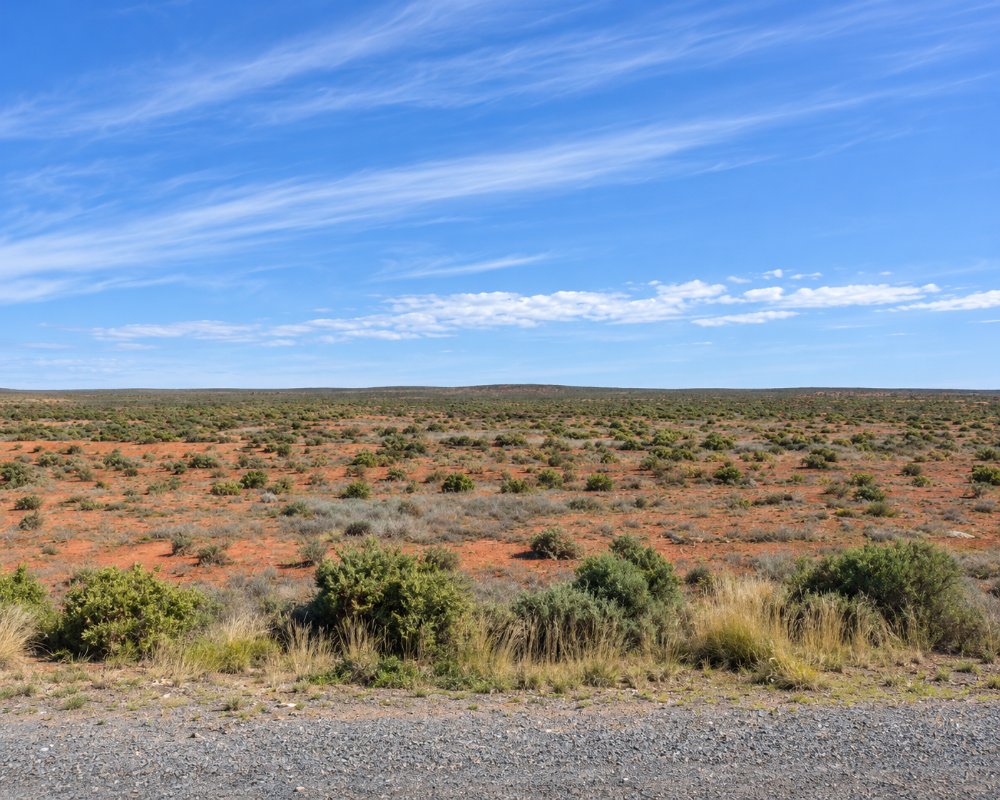
Olary is a few buildings beside the Barrier Highway and the railway, 110 kilometres south-west of Broken Hill. Only a handful of people live here.
It is a place to stretch your legs. Do not count on finding fuel, food or a bed.
Known For
- A near ghost town on the Barrier Highway
- Railway relics
- The uranium story of Radium Hill
Things To Do in Olary
The Township
The old hotel, a railway water tank and a few stone buildings are what remain of a town founded in 1887 to serve the road and the railway. The hotel has opened and closed over the years.
Radium Hill
About 40 kilometres to the south-east, uranium was mined on and off from 1906 to 1961, and a town of more than a thousand people stood in the scrub. Only foundations and a cemetery remain.
Bimbowrie
A restored coach house on a former sheep station nearby recalls the days of Cobb and Co.
Bimbowrie Conservation Park
The old Bimbowrie sheep station, about 30 km north-west of Olary, became a conservation park in February 2010. It protects about 72,000 hectares of the Olary Ranges and the plains below. In 2010 its stone Cobb and Co coach house was restored during a five-day stonemasonry training course. Visitor facilities are limited, so check access with National Parks and Wildlife Service SA before you go.
Where To Stay
There is nowhere reliable to stay.
Highway rest areas allow short stops. Yunta, 80 kilometres west, has a rest area for overnight stays and a hotel, and Cockburn, at the border, has a small caravan park.
The closest beds are at Yunta, about 80 km west, where the hotel has rooms and the truck stop has a couple of caravan sites with hot showers. To the east, Cockburn, about 60 km away on the border, has a small park beside the Coburn Hotel that you pay for at the bar. Broken Hill, about 110 km north-east, has the biggest choice, with several caravan parks, motels and hotels, and it is the best bet if you want power and full amenities.
If you stop on the highway near Olary, use a signposted rest area rather than pulling off onto station land, which is private. Two heavy-vehicle rest areas on this stretch, at Winnininnie and Bindarrah, are being rebuilt in 2026 to take road trains, and they will also be open to cars and caravans. The Bindarrah stop is closed while the work is done, so check before you plan a night there. Do not expect drinking water at the rest areas.
This is hot, dry country. Summer days are often in the mid-30s or hotter, so carry plenty of water on top of what you plan to drink, and do not count on mobile coverage between the towns.
Eat & Drink
Carry your own food and water.
There is nowhere to buy a meal or groceries at Olary, so pack lunch and snacks before you leave Yunta or Broken Hill. The Yunta Hotel, about 80 km west, serves meals, and Yunta’s two roadhouses sell takeaway food, coffee and fuel. To the east, the Coburn Hotel at Cockburn, about 60 km away, serves meals when it is open, so check before you rely on it. Broken Hill, about 110 km north-east, has supermarkets, bakeries, cafes, clubs and pubs.
Do not count on fuel at Olary. Fill up at Yunta heading east or at Broken Hill heading west, and keep a reserve for the run between them, which is close to 200 km.
History
Olary is in the country of the Wilyakali people. In August 2023 the Federal Court recognised Wilyakali native title over about 9,200 square kilometres, from the New South Wales border along both sides of the Barrier Highway to near Manna Hill, which takes in Olary. The name was first given to a nearby well or waterhole by the pastoralists Duffield, Harrold and Hurd. A post office called O’Lary opened in October 1886. It was renamed Oolarie around 1888 and Olary around 1896. The town was proclaimed on 1 December 1887 to serve the railway to Cockburn and the road to Broken Hill. Radium Hill, to the south-east, was named by Douglas Mawson and became Australia’s first uranium mine. As motor traffic replaced the railway, Olary’s population dwindled.
Getting to Olary
Olary is on the sealed Barrier Highway between Yunta and Cockburn.
Olary is about 400 km from Adelaide by road, around four and a half hours on the A32 Barrier Highway through Burra and Yunta, and about 110 km, just over an hour, from Broken Hill. The highway is sealed all the way, but road trains are common. Stock and kangaroos are a hazard at dawn and dusk, and floodwater can close roads in this country after heavy rain, so check Traffic SA before you set out. The Indian Pacific uses the railway beside the highway but does not stop here. The nearest stop is Broken Hill.
Experiences
- Caravan and Camping
- Historic/Heritage
- Remote
- Rural/Country
- Self-Drive
Popular Activities
- Caravan and Camping
- Driving
- National Park
- Outback
- Sightseeing
About Olary
- Locality: Rural locality
- Olary Postcode: 5440
- State: South Australia
- Region: Flinders Ranges and Outback
- Latitude: -32.27875
- Longitude: 140.33008
- Elevation: 284m
- Timezone: Australia/Adelaide
