
Maya, WA
Maya, Western Australia, may be a small dot on the map, but it holds a significant place in the region’s cultural and agricultural landscape. Situated roughly 300 kilometres north-east of Perth, Maya offers travelers an authentic slice of rural life.
Known For
- Wheat farming and grain storage history
- Scenic rural landscapes
- Historical railway significance
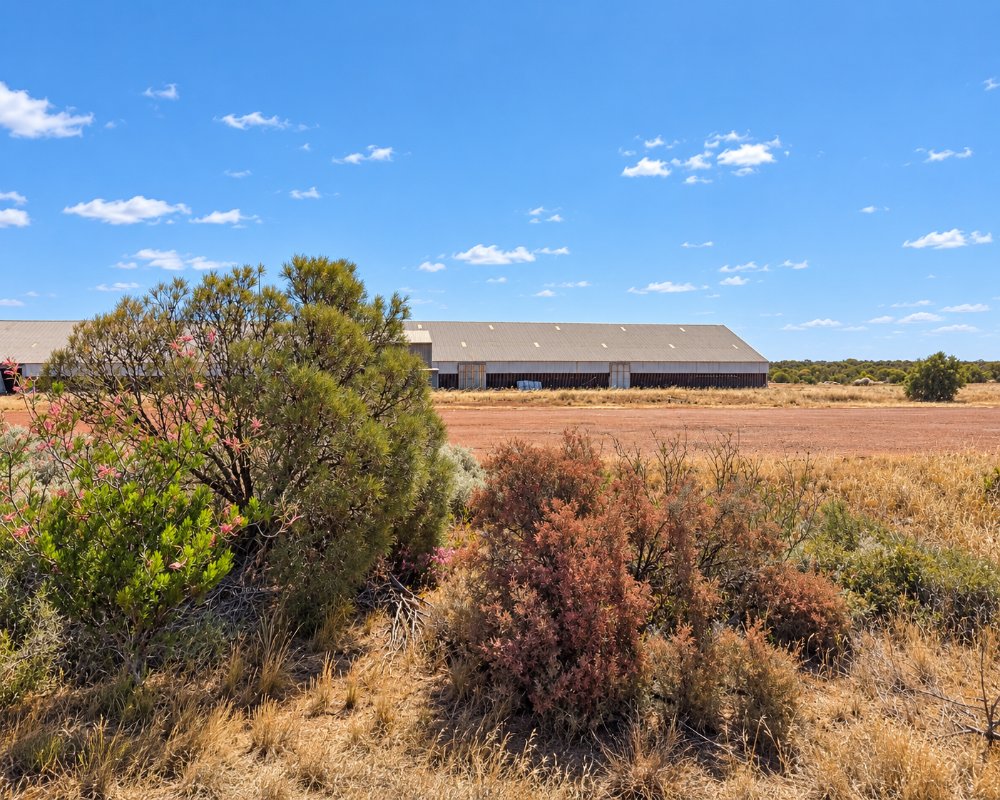
Maya is a grain siding and farming locality in the Shire of Perenjori, on the sealed Wubin–Mullewa Road, the Wildflower Way, about 28 km north-west of Wubin and 16 km south-east of Latham. It has no shops, fuel or accommodation, so it is a place to pass through on a spring wildflower drive.
Maya is more than its history; it’s a living, breathing representation of rural Western Australia. Vast agricultural fields stretch as far as the eye can see, creating a picturesque backdrop for any visitor. Whether you’re an avid photographer or simply someone who enjoys the quiet beauty of open landscapes, Maya’s serene environment offers a much-needed escape.
Visitors may also enjoy the unique opportunity to witness the town’s agricultural processes during harvest season, gaining insight into the daily life of the region’s farming community. It’s a chance to connect with a slower pace of life that is both refreshing and grounding.
Things To Do in and around Maya
The Grain Siding
Travelers exploring Maya can delve into its historical roots by visiting these landmarks and learning about its pivotal role in the wheat and cereal crop industry, which remains an essential part of the region’s identity.
Buntine Rock
Buntine Rock is a granite outcrop between Maya and Wubin, about 15 km down the road. It is a good picnic stop, with views over the cropping country and wildflowers around its base in spring.
Latham Wildflower Walk
Latham, about 16 km north-west, is the base for a local wildflower walk run by a resident, taking in the area’s flora, fauna and history, with donations going through the shire. Latham Rock, 3 km south-east of that town, has a deep gnamma hole that was an important water source.
The Wildflower Way
Maya is on the Wildflower Way, the self-drive route from Dalwallinu to Geraldton. From late August to October, road verges and reserves can carry everlastings, orchids and wreath flowers, but the displays depend on winter rain, so ask the Perenjori visitor centre or the Dalwallinu Discovery Centre for current spots.
Wubin Wheatbin Museum
At the junction with the Great Northern Highway, the Wubin museum fills an old wheat bin and its annexes with grain-handling history, farm machinery and vintage vehicles. Volunteers open it from June to October.
Nearby Towns
Although Maya itself is a small locality, its proximity to other destinations makes it an excellent base for exploration. Nearby Perenjori, approximately 60 kilometres north-west, boasts charming accommodation options, cafes, and community events. Dalwallinu, about 50 kilometres south-southeast, is another nearby town worth visiting, offering additional dining and shopping experiences.
For nature enthusiasts, the surrounding Mid West region provides opportunities for hiking, wildlife spotting, and stargazing, thanks to its clear night skies.
Where To Stay
Maya has no shops, fuel or accommodation and remains a quiet grain siding rather than a tourist town. The Cooperative Bulk Handling site is a nod to its ongoing role in Western Australia’s wheat industry. Visitors should plan their trips with the understanding that most dining, lodging, and advanced amenities are available in nearby towns.
Perenjori Caravan Park is about 60 km north-west on the sealed Wubin–Mullewa Road, with powered sites, and Dalwallinu Caravan Park to the south-east has a free dump point.
Dalwallinu Caravan Park, about 50 km south-east, has 44 powered sites and a free dump point, with bookings essential from July to September. Perenjori Caravan Park has powered van sites, unpowered tent sites, chalets and a park home, with a camp kitchen, drinking water and a dump point, and it is worth booking in season. Closer in, the Latham Community Centre lets campers and caravans park under shady trees for up to 24 hours, with public toilets and showers.
For a room, Wubin has the Wubin Hotel Motel, Perenjori has the Perenjori Hotel and the Red Emu Motel, and Dalwallinu has the Dalwallinu Hotel, The Old Convent and the Wheatlands Motel.
Eat & Drink
Maya has nowhere to eat or buy fuel. The nearest food and fuel is in Wubin, where the BP Roadhouse has a restaurant and takeaway counter and the Wubin Hotel Motel makes wood-fired pizzas. Further south, Dalwallinu has Jenny’s Bakehouse for fresh bread and pies, as well as a pub, a motel restaurant and a supermarket.
Heading north-west, Latham’s store has closed, so the next food is in Perenjori, where Daphne’s Timeless Treats is the town cafe, the Perenjori Hotel serves dinner most nights and the roadhouse is open every day for fuel and snacks.
History
Maya is steeped in history, much of which revolves around its role as a railway town. Established in 1913, it served as a key stop along the Mullewa to Wongan Hills railway line. The town’s name, derived from the Indigenous term “Pocanmaya,” signifies the importance of a nearby spring that sustained early settlers and native inhabitants. Today, remnants of its past—such as grain storage facilities and railway structures—tell the story of a community built around agriculture and transportation.
The Perenjori district is in Yamatji country, with Badimaya country to the east. Surveyors recorded a spring called Pocanmaya in 1876, and the town’s name is a shortened form of it. The siding was planned in 1913 on the Wongan Hills to Mullewa railway, the townsite was gazetted the same year, and trains began running in 1915. In 1932 the Wheat Pool announced two engine-driven grain elevators for the siding, and Maya is still a CBH receival site.
Getting to Maya
Travelers are encouraged to come prepared, especially if they plan on self-catering or require specific supplies. The best way to reach Maya is by car, allowing you to enjoy the scenic drive through Western Australia’s open roads.
From Perth, follow the Great Northern Highway to Wubin, about 270 km, then turn north-west onto the Wubin–Mullewa Road for about 28 km, roughly 300 km and three and a half hours in all. The whole route is sealed and suits caravans. Transwa’s Perth to Geraldton coach stops at Wubin and Latham, not Maya.
Experiences
- Nature based
- Rural/Country
- Self-Drive
Popular Activities
- Caravan and Camping
- Driving
- Sightseeing
About Maya
- Locality: Rural locality
- Maya Postcode: 6614
- State: Western Australia
- Region: Esperance & the Golden Outback
- Latitude: -29.88373
- Longitude: 116.49979
- Elevation: 336m
- Population: 23
- Median Income: $76336
- Area (Sq/km): 571.431
- Timezone: Australia/Perth
