
Koojan, WA
Just a two-hour drive (160 km) north of Perth and a short distance south of Moora, Koojan offers a tranquil escape from urban life.
Known For
- Agricultural heritage.
- Salmon Gum woodland landscapes.
- Historical significance tied to early settlers and railway development.
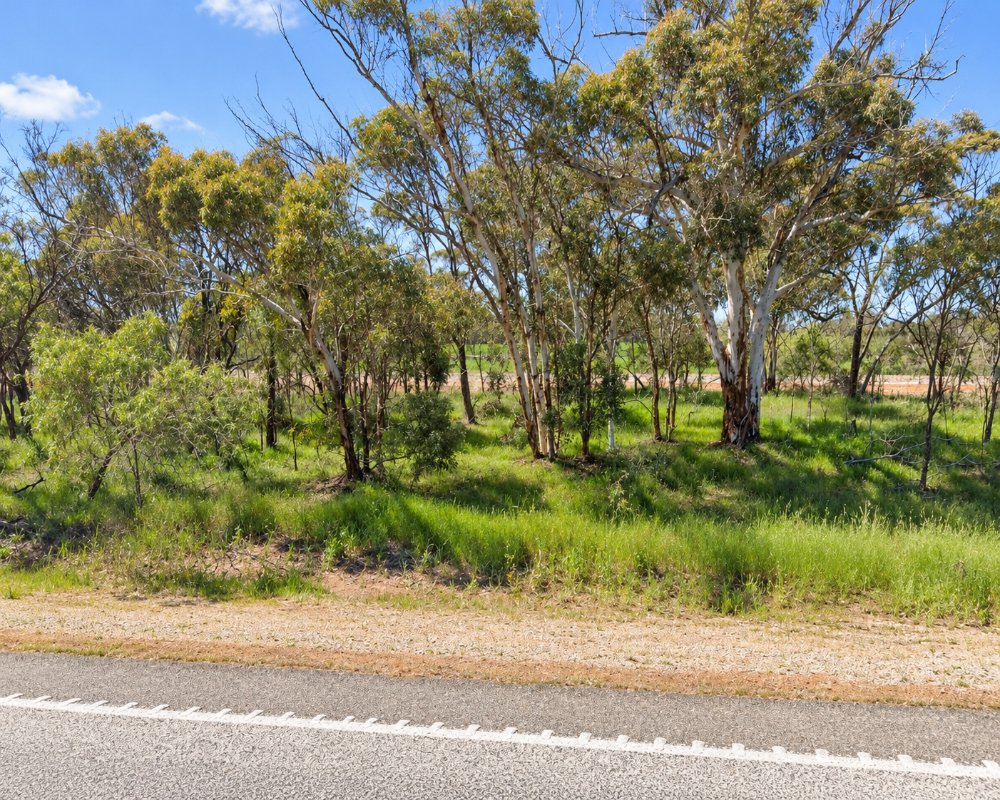
Koojan is a farming locality in the Shire of Moora on the sealed Bindoon–Moora Road, about 18 to 20 km south of Moora, with Bindoon further south towards Perth. There is no shop or fuel, but the reserve’s salmon gums and the drive along the Moore River valley make it a pleasant stop on the way north.
Things To Do in and around Koojan
Koojan Reserve
Koojan is home to one of the rare remnants of Salmon Gum woodlands, which once blanketed much of the Wheatbelt. The Koojan Reserve is a prime spot for visitors to experience this unique ecosystem.
Outdoor activities dominate the itinerary for visitors to Koojan. Walking trails at Koojan Reserve offer not only a step back in time through interpretive signage but also the chance to immerse yourself in the Wheatbelt’s pre-clearing landscape.
The signposted trail is a 600-metre gravel loop that takes about 20 minutes and is rated easy. Big salmon gums and wandoo shade the path, with wattles and quandongs underneath and orchids in winter, and in the south-east corner stands the small 1930s post office built for a township that never grew. Listen for the call of Carnaby’s black cockatoos.
Barberton West Road Reserve
Nature enthusiasts will appreciate the walking trails, which offer glimpses of the local flora and fauna. Barberton West Road Bush Reserve, a short drive from Koojan, provides opportunities to observe kangaroos and echidnas while enjoying a peaceful hike.
To reach this 170-hectare bush remnant, drive 9 km south of Moora on the Bindoon–Moora Road, then 8 km along Barberton West Road, and park at the old gravel pit. The suggested walk follows the firebreak for about 5 km, from gravel heath with hakeas into banksia and woollybush on sand.
The Moore River
The Moore River, winding through the region, adds to the scenic beauty, offering a serene backdrop for quiet reflection or photography.
Moora
For those seeking a cultural touch, Moora, just 18 km away, complements a visit to Koojan with its museums and art installations. Additionally, the annual events held in Moora often highlight the shared heritage of surrounding towns, including Koojan.
In October 2026 Moora unveiled an 11.5-metre sculpture of two Carnaby’s black cockatoos, the town’s new big thing, and the Carnaby Cockatoo Interpretive Walk follows the Moore River through town.
Berkshire Valley Homestead
About 18 km east of Moora, Berkshire Valley is an 1840s farm settlement founded by James Clinch, with an 1867 homestead and gatehouse, a stable, an 1869 mill house and a brick-arched bridge. It is a private working farm, so view it from the roadside.
Where To Stay
While Koojan itself is limited in terms of amenities, nearby Moora provides an array of options. Accommodations range from comfortable motels to charming bed-and-breakfast establishments, such as the Drovers Inn.
Moora Caravan and Chalet Park is about 18 km north, and self-contained rigs can use the 48-hour RV stop on Padbury Street, with dump points on Roberts Street and Padbury Street. The road through Koojan is sealed.
The Shire of Moora Caravan and Chalet Park sits among salmon gums beside the Moore River, close to the shops, with powered and tent sites, eight self-contained chalets, a camp kitchen and a free guest laundry, and dogs are allowed on a lead. The Padbury Street RV area allows 48 hours in any 21 days, with no generators or fires. For rooms, try the Drovers Inn, the Junction Hotel on Gardiner Street or the Moora Motel on Roberts Street.
To the south-east, New Norcia‘s roadhouse has powered overnight sites, though all New Norcia accommodation closes for January 2027.
Eat & Drink
When it comes to dining, visitors can head to Moora’s pubs for hearty meals or enjoy a casual coffee at one of Moora’s cafes. The regional emphasis on fresh, locally sourced ingredients ensures a satisfying culinary experience.
Koojan has no shop, pub or fuel. In Moora, the Junction Hotel does counter meals and pizza, with a beer garden and a drive-through bottle shop, and the two-storey Drovers Inn is worth checking for its opening days. For daytime food, Jeanne d’Moore on Gardiner Street is a French-inspired cafe with a Friday-night bistro, the Wheatbelt Gallery and Cafe on Padbury Street pairs coffee with local art, and Moora Bakery opens early on weekdays for pies and bread.
Moora has an IGA and a FoodWorks for supplies, and fuel at the 24-hour BP on Gardiner Street.
History
Koojan’s story begins in the mid-19th century when surveyors first mapped the area in 1861. Its name derives from an Aboriginal word referencing a pool along the Moore River. The establishment of the Midland Railway in 1894 was a turning point, facilitating growth and connecting Koojan to larger towns.
By 1910, the townsite was officially gazetted, though the planned township never really developed and the district stayed one of large farms. Prominent pioneers, such as Walter Padbury, left their mark, fostering the region’s development. Chinese laborers played a vital role in clearing land and cultivating the area, with their contributions immortalized in paddock names like Suey’s and Shang-hai. Today, Koojan retains the spirit of its pioneering past, evident in its landscapes and community ethos.
Koojan lies on the country of the Yued people of the Noongar nation. The land was once part of the Glentromie lease, which Walter Padbury took over in 1888, and his nephew Matthew took over Koojan in 1892. A provisional school opened in a farm cottage in 1897, and residents then built a stone schoolroom, opened in 1901 with 25 pupils, which also served as a church and dance hall. In the 1920s a small telephone exchange operated from the homestead.
Getting to Koojan
Koojan is best accessed by car via the Bindoon-Moora Road, offering a scenic drive from Perth. While modern rail services are no longer operational, the Midland Railway’s legacy remains a significant part of Koojan’s identity.
For travelers, the Koojan Reserve serves as a rest stop, complete with picnic areas and detailed information boards. Its thoughtful amenities make it a practical and informative stop for those exploring the Wheatbelt.
From Perth, take the Tonkin and Great Northern highways to Bindoon, then the Bindoon–Moora Road north. The road is sealed all the way and suits caravans. Transwa’s Perth to Geraldton coach passes through but stops at Moora, not Koojan.
Experiences
- Historic/Heritage
- Nature based
- Rural/Country
Popular Activities
- Bird Watching
- Bush Walking
- Driving
About Koojan
- Locality: Rural locality
- Koojan Postcode: 6510
- State: Western Australia
- Region: Esperance & the Golden Outback
- Latitude: -30.84931
- Longitude: 116.02837
- Elevation: 193m
- Population: 60
- Median Income: $66872
- Area (Sq/km): 246.439
- Timezone: Australia/Perth
