
Koo Wee Rup, VIC
Koo Wee Rup is a town of about 4,000 people just off the South Gippsland Highway, 63 km south-east of Melbourne. It lies between Tooradin, on Western Port to the west, and Lang Lang to the south-east.
The country around it was once the vast Koo Wee Rup Swamp. Drained from the late 1800s, the black soil now grows most of Australia’s asparagus, along with potatoes and dairy cattle.
Known For
- Asparagus country
- The drained Koo Wee Rup Swamp
- Bayles Fauna Park
Things To Do in Koo Wee Rup
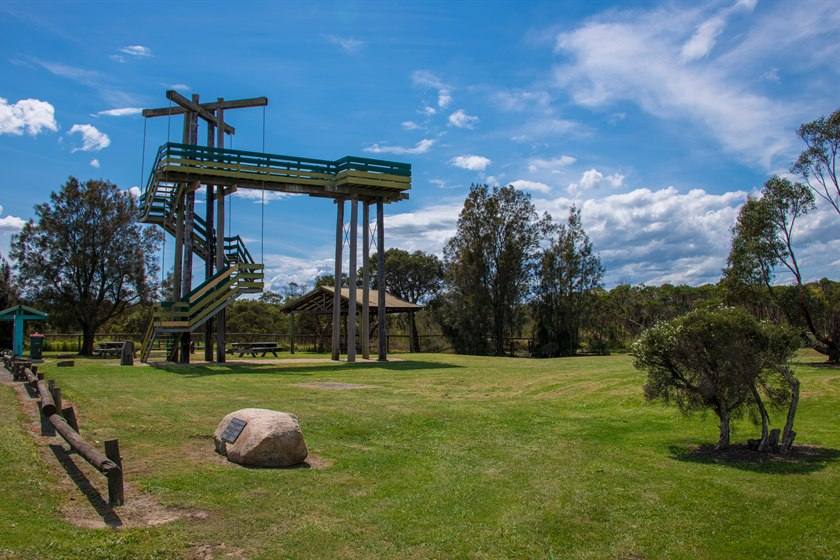
Swamp Lookout Tower
The reserve on the highway has picnic shelters and boards that tell the story of the swamp and its drainage. The lookout tower itself was closed in 2026 while the council had its structure inspected.
Bayles Fauna Park
At Bayles, a few minutes east of the town, this small reserve has kangaroos, emus and deer living half wild, an aviary, a playground and barbecues. Entry is by gold coin donation, and dogs are not allowed. Morning and late afternoon are the best times to see the animals.
Historical Society Museum
The local museum in Rossiter Road opens only for limited hours, usually on Sundays.
Asparagus Season
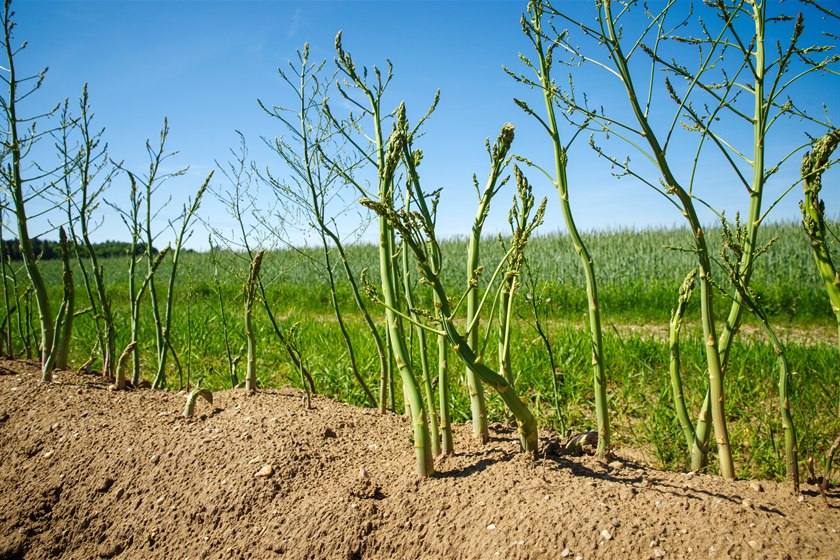
The asparagus is cut in spring, from about September to December, when you may find it for sale at farm gates in the district.
The Great Swamp
Before it was drained, the swamp covered about 40,000 hectares between the hills and Western Port and was almost impassable. The drains turned it into some of the richest farmland in Victoria, though floods still came; the worst, in 1934, covered the town.
Where To Stay
Koo Wee Rup has a motel. No caravan park could be found in the town.
The nearest park for caravans is the Lang Lang Foreshore Caravan Park at Jam Jerrup, on Western Port, which has powered sites, a camp kitchen and a dump point and takes pets on sites. The roads here are flat, sealed and easy with a van, and the bypass keeps trucks out of the main street.
Lang Lang Foreshore Caravan Park, at 174 Jetty Lane, Jam Jerrup, is about 20 km south-west by road and sits right on Western Port. Besides powered sites it has walk-in tent sites, waterfront sites, unpowered and self-contained sites and room for big rigs, along with one- and two-bedroom cabins at the front of the park, a laundry, fire pits for hire and a small shop selling ice, bait, tackle and firewood. Pets are welcome on sites but not in the cabins. North of the town, Mercure Pakenham, about 20 km up the Koo Wee Rup road, is the nearest modern hotel, with a restaurant and bar, and the Settlement Hotel at Cranbourne, about 25 km north-west, has suites above its bistro.
Akoonah Park at Berwick, about 35 km north, has 17 camping and caravan sites with showers and on-site managers; book ahead. Bunyip State Park, north of Bunyip and about 45 km away, has free campgrounds at Mortimer, Nash Creek and Forest Road, reached by gravel roads that suit campervans and small vans better than big caravans.
Eat & Drink
The main street has a pub, a bakery and cafes.
The Royal Hotel, at 96-100 Station Street, is a traditional country pub a short detour off the bypass for travellers bound for Phillip Island or Gippsland. It has a front bar, a bistro open for lunch and dinner, a parma night every Wednesday, live music each month and a takeaway menu. In spring, look for fresh asparagus at farm gates around the district. Further afield, the Tooradin and District Sports Club, about 10 km west on the South Gippsland Highway, has a family bistro, and the fish and chip shops in Tooradin face the foreshore.
Gippsland Jersey’s factory cafe in Purton Road, Pakenham, about 20 km north, serves milkshakes made with Jersey milk, toasties and soup from Monday to Saturday, and the Boon Wurrung Cafe at the Royal Botanic Gardens Cranbourne, about 28 km north-west, serves brunch and cakes looking over the Red Sand Garden. The shopping centre on Station Street has a supermarket, and there is fuel in the town.
History
The name comes from a Bunurong word thought to mean plenty of blackfish. William Lyall of Harewood led the first efforts to drain the swamp, and the main drains were dug from 1889. A post office opened in 1891. Passenger trains stopped in 1993, and the bypass opened in 2015.
Getting to Koo Wee Rup
Follow the South Gippsland Highway from Melbourne, about an hour, or come down the Koo Wee Rup road from the Princes Freeway at Pakenham. There is no train; V/Line coaches to South Gippsland pass through.
Experiences
- Farm/Station
- Historic/Heritage
- Rural/Country
- Self-Drive
Popular Activities
- Bird Watching
- Driving
- Food and Wine
- Sightseeing
