
Gippsland Lakes, VIC
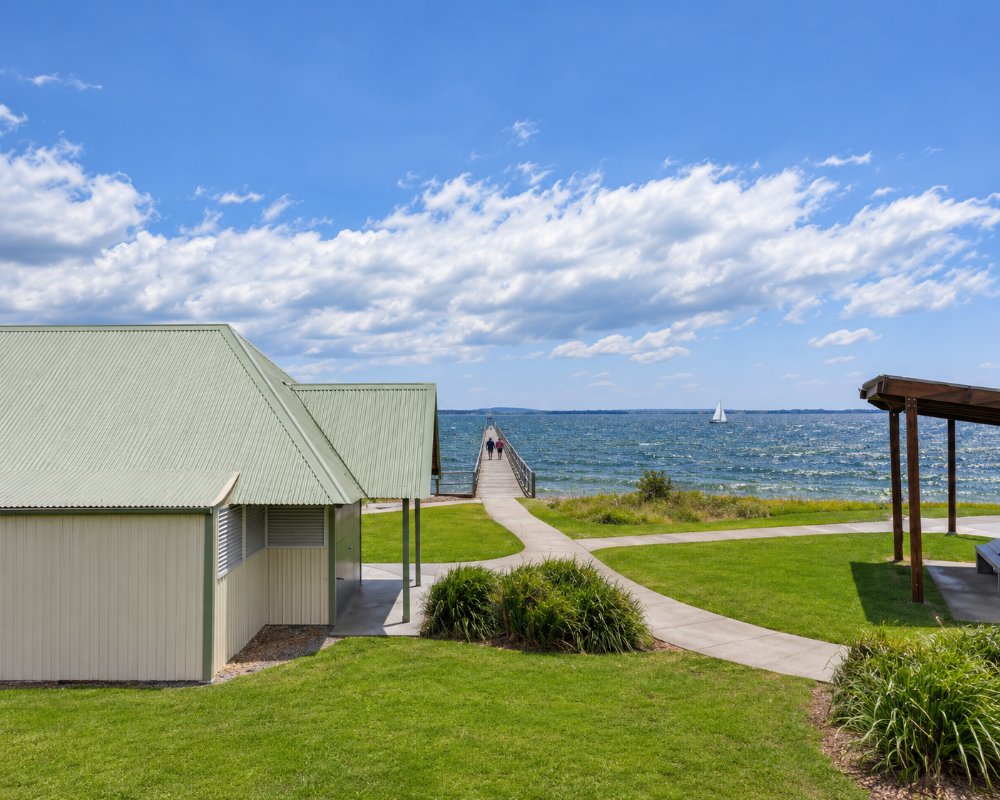
The Gippsland Lakes are a chain of large coastal lakes and lagoons in East Gippsland, stretching about 70 km from near Sale to Lakes Entrance, separated from Bass Strait by the dunes of the Ninety Mile Beach. The main lakes, Wellington, Victoria and King, cover about 350 square kilometres, with more than 300 km of shoreline, making this Australia’s largest navigable inland waterway.
Around their shores are the lakeside towns of Paynesville, Metung, Loch Sport and Lakes Entrance, the koala island of Raymond Island and the wild coast of The Lakes National Park.
Known For
- Australia’s largest navigable inland waterway
- Burrunan dolphins and Ramsar wetlands
- Boating, cruising and lakeside towns
Things To Do in Gippsland Lakes
The Lakes and Rivers
Lake Wellington, the westernmost, is fed by the Latrobe River, with its tributaries the Thomson and Macalister, and by the Avon. Lake Victoria links it with Lake King, which receives the Mitchell, Nicholson and Tambo rivers. Lake Reeve is a long, shallow lagoon behind the Ninety Mile Beach, and the lakes reach the sea through the entrance at Lakes Entrance.
Boating and Cruises
The lakes are perfect for boating, with sheltered water, jetties and lakeside pubs to tie up at. Hire a cruiser or day boat at Metung or Paynesville, or take a cruise with Peels from Lakes Entrance, including lunch trips to Wyanga Park Winery on the North Arm and to Metung.
Dolphins
About 65 Burrunan dolphins, an endangered species named in 2011, live in the lakes all year. They are often seen near Paynesville, Metung and Lakes Entrance.
Wetlands and Birdlife
The lakes and their fringing wetlands have been listed under the Ramsar Convention since 1982, and they support huge numbers of waterbirds, including pelicans, swans and migratory waders.
Bioluminescence
In some summers, from December to February, plankton make the water glow blue at night. The most famous display followed the floods of 2008.
The Lakes National Park and Coastal Park
The Lakes National Park, near Loch Sport, and the Gippsland Lakes Coastal Park protect the dunes, heath and wetlands between the lakes and the sea, with kangaroos, emus and wildflowers.
Fishing
The lakes are famous for black bream, as well as flathead, tailor and perch, and the rivers that feed them hold bass.
When To Visit
Summer is the main season for boating, swimming and the chance of bioluminescence. Autumn brings calm days and good fishing, and winter is quiet and still on the water.
Where To Stay
Every lakeside town has accommodation, from waterfront resorts at Metung and Paynesville to motels in Lakes Entrance and Bairnsdale. Houseboats and cruisers can be hired for a few days on the water.
For caravans and campers, there are caravan parks in Lakes Entrance, Metung, Paynesville, Eagle Point, Lake Tyers Beach and Loch Sport, and bush camping in The Lakes National Park and along the Ninety Mile Beach.
Waterfront Retreat at Wattle Point, on Lake Victoria at Forge Creek, has 19 self-contained lodges with an indoor pool, and Riviera Nautic at Metung hires yachts and motor cruisers that you can live aboard for a few days, many with no licence needed. Gippsland Lakes Escapes in Paynesville lets holiday homes around the lakeside towns.
For campers, the Gippsland Lakes Coastal Park has two kinds of camping on the western lakes. Shoreline Drive Campgrounds 1 to 19, between Seaspray and Golden Beach, are free, with no bookings, right behind the Ninety Mile Beach; dogs are allowed only at sites 1 to 6. Paradise Beach Campground must be booked and paid for year round. Red Bluff and Spoon Bay, reached by sandy tracks off the Loch Sport Road, are free first-come bush camps near Lake Victoria and Lake Wellington that suit tents and caravans. Bunga Arm, east of Steamer Landing, has bookable campsites that can be reached only by boat, and Emu Bight in The Lakes National Park is a bush campground near Loch Sport.
Lakeside caravan parks include the BIG4 Eagle Point Caravan Park, the Lake King Waterfront Holiday Park (September to June), the Paynesville Holiday Park and, at Lakes Entrance, the North Arm Tourist Park and the Golden Terrace Holiday Park.
Eat & Drink
The lakeside towns have plenty of good food, with fresh seafood from the Lakes Entrance fleet a highlight. Sardine Dining in Paynesville is hatted, the Metung Hotel’s bistro sits on Bancroft Bay, and Wyanga Park Winery on the North Arm can be reached by boat.
There is no food out on the water itself, apart from the kiosk and bar on Peels’ larger cruise boats, so pack a picnic for a day on a hire boat. The lakeside towns have plenty: Sodafish is an upstairs seafood restaurant on the Lakes Entrance wharf beside the fishing fleet, Pier 70 and Sardine Dining face the water in Paynesville, the Metung Hotel’s deck looks over Bancroft Bay, and the Loch Sport Marina Hotel overlooks Lake Victoria. Wyanga Park Winery on the North Arm is best reached by the cruise from Lakes Entrance.
History
This is Gunaikurnai Country, and the lakes have been a rich source of food and a home for the Tatungalung clan for thousands of years. From the 1840s settlers arrived, and steamers carried goods and passengers between Sale, Bairnsdale and the coast. Work on an artificial entrance began in 1872 and the channel opened in 1889, making the lakes saltier ever since. Today the lakes are a major holiday area, and their health, with rising salinity, is a growing concern.
Getting to Gippsland Lakes
The western end of the lakes, at Lake Wellington, is about 230 km east of Melbourne via Sale, and Lakes Entrance is about 320 km, around 3 hours 45 minutes’ drive via the Princes Highway. V/Line trains run to Sale and Bairnsdale, with coaches to Lakes Entrance.
Experiences
- Nature based
- Relaxation
- Self-Drive
Popular Activities
- Bird Watching
- Caravan and Camping
- Fishing
- Kayaking
- National Park
- Swimming
