
Douglas-Apsley National Park, TAS
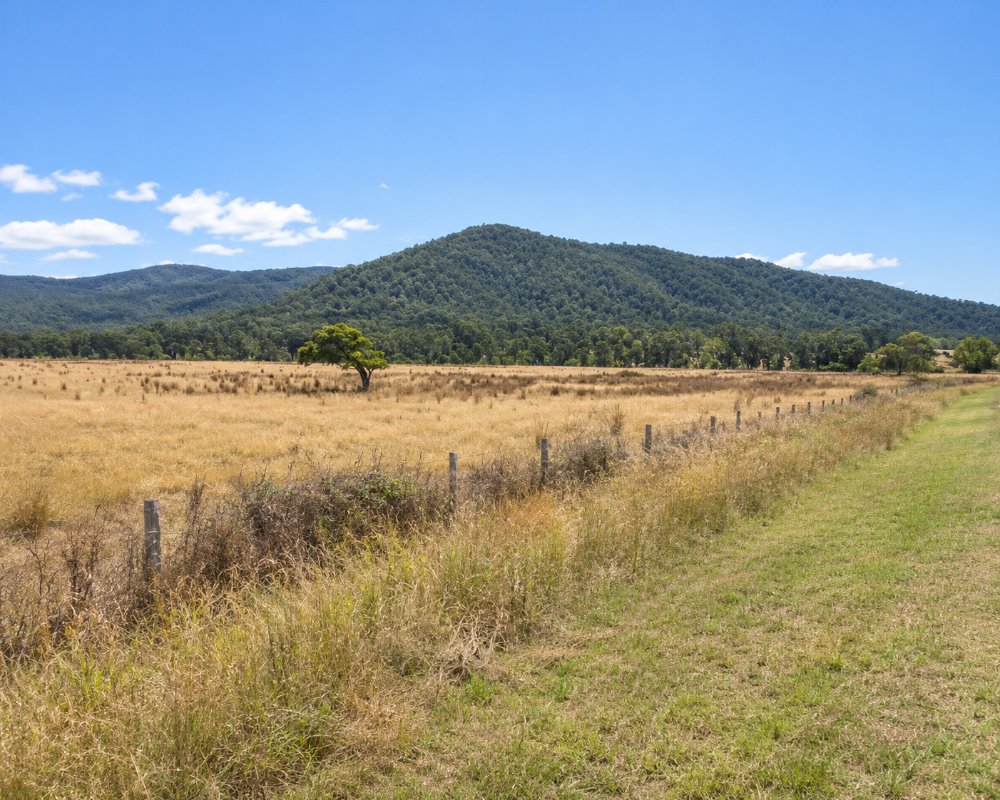
Douglas-Apsley National Park lies in the hills behind Bicheno, protecting one of the last large areas of dry eucalypt forest on the east coast. Two rivers, the Douglas and the Apsley, cut gorges through it on their way to the sea.
The southern entrance is only 12 km from Bicheno, and the walk to the Apsley Waterhole is short and easy, which makes the park a good half-day trip from the coast. It is about two and a half hours from Hobart and a little over two from Launceston.
Known For
- The Apsley Waterhole swimming hole
- The Apsley Gorge circuit walk
- Dry forest and river gorges
Things To Do in the Park
Apsley Waterhole
A ten-minute walk from the car park leads to a deep, clear pool on the Apsley River, ringed by rock shelves and forest. A short loop track of about 1.2 km takes in a lookout over the river.
Apsley Gorge
Beyond the waterhole, a track climbs over a ridge and drops into the gorge, 5.6 km and two to three hours return. In dry weather it is possible to come back down the riverbed, making a rougher circuit of about seven kilometres that takes four to five hours. Do not attempt the riverbed after rain.
Leeaberra Track
A 28 km walk of two to three days runs the length of the park from north to south, past Heritage Falls and Tevelein Falls. It is for experienced, well-equipped walkers.
Birds and Wildflowers
The park is home to 11 of the birds found only in Tasmania and is at its best in spring, when the heath and forest understorey flower.
The Northern End
The northern end of the park, at Thompsons Marshes, is reached only on foot or by high-clearance 4WD on the Forestry E Road, which leaves the Tasman Highway about 24 km north of Bicheno. There is only a rough car park, and it is the usual start or finish of the Leeaberra Track. The road does not suit caravans or conventional cars.
River Wildlife
Wallabies are common around the Apsley Waterhole, and the endangered Australian grayling, a native fish up to about 30 cm long, lives in both the Douglas and Apsley rivers. Fourteen kinds of tree grow in the park, including the uncommon Tasmanian ironbark. The endangered swift parrot passes through on its migration.
Where To Stay
There are no caravan or vehicle campsites in the park.
A free walk-in campsite sits near the Apsley Waterhole, ten minutes from the car park, with a composting toilet; there are two more on the Leeaberra Track. Only fuel stoves may be used from October to April. Caravans and motorhomes should stay at Bicheno, which has caravan parks, fuel, shops and a dump point, and visit the park for the day.
The closest caravan park is Bicheno East Coast Holiday Park on Champ Street in Bicheno, 12 km from the park entrance. It has powered and unpowered sites, cabins, a camp kitchen and a dump site. For a roof near the park, Denison Rivulet Retreats at Douglas River has two self-contained retreats in private bush on the park’s edge, and the three Sea Stacks Denison cabins overlook the Denison Rivulet and Denison Beach, about 10 km north of Bicheno. Bicheno has many more cottages, apartments and motels. Self-contained travellers can stay free at the Lagoons Beach campground near Chain of Lagoons, about 20 minutes north of Bicheno, where there are toilets but no water. Bicheno’s public dump point is on Waubs Esplanade, opposite the boat ramp at the Gulch.
Eat & Drink
There is nothing to eat or drink in the park. Bring water, or boil river water before drinking. Bicheno is 12 km away.
The nearest food is in Bicheno, 12 km away. Food’n’Brew on Burgess Street serves breakfast through to dinner, Governors Bicheno on Foster Street suits an early breakfast before a walk, and the Lobster Shack at the Gulch is a good stop for lobster rolls on the way back. The Pondering Frog cafe, 11 km south of Bicheno, has ice cream and a playground for children. Bicheno’s shops are the place to stock up on food and water for a day walk or an overnight camp.
History
The park lies in the country of the northern Oyster Bay people. Leeaberra is the Aboriginal name for the Douglas River. Coal was mined in these hills from the mid-1800s for more than a century, and farmers and trappers worked the edges, but the rough country kept loggers out and the forest survived. The national park was declared in December 1989 after a long conservation campaign.
Getting to the Park
For the southern entrance, turn off the Tasman Highway (A3) onto Rosedale Road about three kilometres north of Bicheno and follow it to the Apsley Waterhole car park. The road is gravel. A parks pass is required. The rivers have no bridges and rise quickly after rain.
Experiences
- Caravan and Camping
- Eco Tourism
- Nature based
- Self-Drive
Popular Activities
- Bird Watching
- Bush Walking
- Caravan and Camping
- National Park
- Swimming
- Wildlife
About Douglas-Apsley National Park
- Locality: Rural locality
- Douglas-Apsley National Park Postcode: 7215
- State: Tasmania
- Region: East Coast
- Latitude: -41.7846
- Longitude: 148.1892
- Timezone: Australia/Hobart
