
Don, TAS
Don is a small settlement in the valley of the Don River, on the western edge of Devonport, about five kilometres from the city centre. About 650 people live here.
In the 1850s it was a busy timber port, larger than the towns on the Mersey. Today it is known for one thing above all: a volunteer-run railway that keeps Tasmanian trains running.
Known For
- Heritage train rides beside the Don River
- A museum of Tasmanian locomotives
- Riverside bushland walks
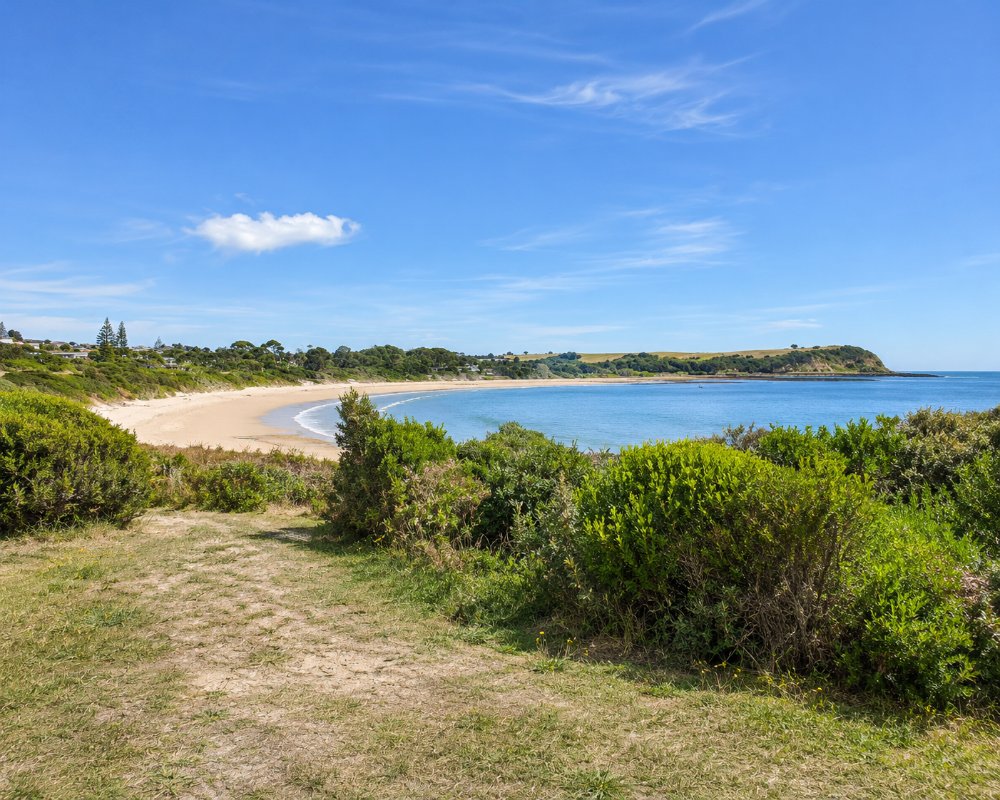
Things To Do in Don
Don River Railway
The railway is open from Wednesday to Sunday, with trains running from Thursday to Sunday between 10 am and 2 pm, and extra services in school and public holidays. The ride follows the river through the Don Reserve to Coles Beach and back, taking about half an hour. The museum holds steam and diesel locomotives and carriages from across the state, and the workshop can be seen from a viewing gallery. Trains may be hauled by a diesel when the steam locomotive is out of service.
Don Reserve
Walking tracks follow the river through one of the few remaining stands of lowland forest in the Devonport area. A footbridge known as the Sawdust Bridge recalls the sawmill that once stood here.
Don Heads
On the western side of the river mouth, a short walk leads to a headland and a rock platform exposed at low tide.
Where To Stay
There is no accommodation at Don itself.
Devonport, five minutes away, has holiday parks, motels and hotels, and is where most visitors stay.
Eat & Drink
There are no cafes at Don to rely on. Devonport has plenty.
History
Timber cutters began working the Don valley in the 1840s, and by the 1850s a sawmill and a tramway were sending palings and shingles to the wharves at the river mouth for shipping to Melbourne. A railway up the valley to the limestone quarries at Melrose opened in 1916 and closed in 1963. Enthusiasts formed a society in 1971 to save it, and tourist trains have run since the mid-1970s. A fire in 2023 destroyed a carriage shed and several carriages.
Getting to Don
Take the Don exit from the Bass Highway just west of Devonport, or follow Forth Road out from the city. Turners Beach and Forth are ten minutes further west along the highway. The roads are sealed and parking is easy with a caravan.
Experiences
- Historic/Heritage
- Rural/Country
Popular Activities
- Driving
- Sightseeing
About Don
- Locality: Rural locality
- Don Postcode: 7310
- State: Tasmania
- Region: North West Coast
- Latitude: -41.1820
- Longitude: 146.3045
- Elevation: 91m
- Timezone: Australia/Hobart
