
Burdekin Falls Dam, QLD
The Burdekin Falls Dam is the largest dam in Queensland, a concrete wall across the Burdekin River in dry, hilly cattle country about 210 kilometres south of Townsville by road. Behind it, Lake Dalrymple holds roughly four times the volume of Sydney Harbour and stretches back for some 50 kilometres. The dam supplies the irrigated cane farms of the lower Burdekin around Ayr and Home Hill and is a backup water supply for Townsville. For travellers it is a remote, peaceful place to camp and fish, at the end of a sealed road through the old gold town of Ravenswood.
Known For
- The largest reservoir in Queensland
- A half-kilometre spillway that roars in the wet season
- Fishing and camping far from anywhere
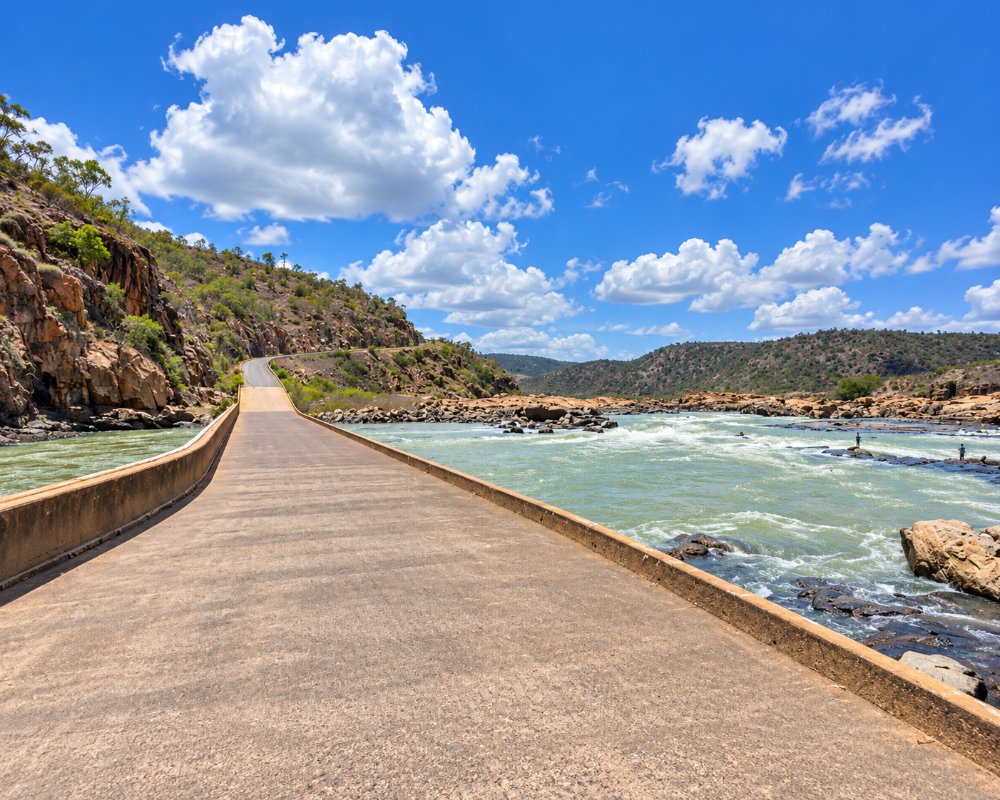
The Burdekin drains an enormous catchment, and its flow swings from a trickle to one of the biggest floods in Australia. After good rain the whole width of the wall becomes a waterfall, a sight that draws visitors from across the north.
In the dry season the lake is calm and blue against red-brown hills, and the nights are cold and full of stars.
Things To Do at the Dam
The wall and spillway
A lookout near the wall gives a view along the 876-metre structure and its central spillway, about 500 metres wide. When the dam is overflowing, usually some time between January and April, the road across the base of the spillway is closed and the spray can be felt from the viewing areas. Check conditions before making the trip in the wet, as roads in the district can be cut.
Fishing
Lake Dalrymple is stocked with barramundi, and also holds sooty grunter, sleepy cod, catfish and redclaw crayfish. Fishing is from boats or the bank, with a ramp near the wall. A stocked impoundment permit is required, and can be bought online. Below the wall, the river has deep pools popular for bait fishing.
Boating
The lake is open to powered boats, and its drowned valleys and timbered arms are fine places to explore by tinny or kayak. Winds can raise a chop quickly on such a large body of water.
Wildlife
Rock wallabies live around the wall, freshwater crocodiles sun themselves on the banks, and the lake attracts pelicans, cormorants, sea eagles and whistling kites.
Where To Stay
A Sunwater campground near the dam wall, on the north side of the river, has powered and unpowered sites, hot showers and a dump point (Sunwater has closed it, with the day-use area and lookout, for improvement works from 16 October to mid-December 2026). It is the only accommodation for a long way.
Ravenswood, about 80 kilometres back along the road, has rooms in its two historic hotels and camping at the showgrounds.
Note first that Sunwater has closed the campground, day use area and lookout for improvement works from 16 October to mid-December 2026, so check Sunwater’s recreation alerts before setting out. Normally, camping is beside the dam wall on the north side of the river. There are no bookings: pay at the self-service station near the Sunwater office, pay a little extra for power, and keep the receipt on show. Fires are not allowed. The old swimming pool was removed in April 2026, and a wider upgrade of the recreation area is at concept design under Sunwater’s statewide recreation facility program.
The boat ramp closes when the lake is near full or very low. In Ravenswood, about 80 km back, Top Camp Cabins & Caravan Park has powered and unpowered sites, 13 renovated cabins and two three-bedroom houses, a pool, a camp kitchen and a laundry, and it takes pets. The Imperial Hotel, built in 1902, has upstairs rooms with old four-poster beds. The road from the Flinders Highway is sealed, but narrow and unfenced in places. Carry water and supplies, and drive slowly with a van.
Eat & Drink
Bring all your food. There is no shop or kiosk listed at the campground, and there are no shops between here and Ravenswood, where the Top Camp roadhouse sells fuel and supplies and the two historic pubs serve meals. Fill up with fuel before leaving the Flinders Highway.
There is no food for sale at the dam, so bring everything you need. The nearest meals and supplies are in Ravenswood, about 80 km back towards the Flinders Highway. There, the Top Camp roadhouse has a general store, cafe and restaurant and sells diesel and unleaded, and it is open seven days from early morning. The Imperial Hotel on Macrossan Street serves meals in its old dining room, and the Railway Hotel on Barton Street, opposite the old station site, is the town’s other pub. Charters Towers, further on, has supermarkets.
History
The river was named by the explorer Ludwig Leichhardt in 1845, and the Burdekin Falls, a series of rapids now beneath the wall, had long been considered as a dam site. Construction began in 1984 and the dam was completed in 1987. The lake was named after George Elphinstone Dalrymple, who led early expeditions through the district. Proposals to raise the wall and add hydro-electric generation have been discussed for many years.
Getting to Burdekin Falls Dam
From Townsville, take the Flinders Highway to Mingela, turn south to Ravenswood, and continue on the sealed Burdekin Dam Road. Allow about three hours. The road is narrow in places and unfenced, so watch for cattle and wildlife, particularly at dawn and dusk. There is no public transport.
Experiences
- Caravan and Camping
- Nature based
- Remote
- Self-Drive
Popular Activities
- Bird Watching
- Caravan and Camping
- Driving
- Fishing
- Outback
- Sightseeing
About Burdekin Falls Dam
- Locality: Rural locality
- Burdekin Falls Dam Postcode: 4816
- State: Queensland
- Region: Townsville
- Latitude: -20.6430
- Longitude: 147.1420
- Elevation: 160m
- Timezone: Australia/Brisbane
