
Bullfinch, WA
Bullfinch, a small town in Western Australia, holds a unique place in the state’s history. Located approximately 405 kilometers east of Perth and just 34 kilometers northwest of Southern Cross, Bullfinch was once a bustling hub during the early 20th-century gold rush. Today, it offers visitors a chance to delve into its fascinating mining heritage while experiencing the untouched beauty of the Australian outback. A drive from Perth to Bullfinch takes just over four hours, making it a feasible getaway for those seeking a mix of history and adventure.
Known For
- Gold mining history
- Panoramic views at Baladjie Rock
- Wildflower blooming season
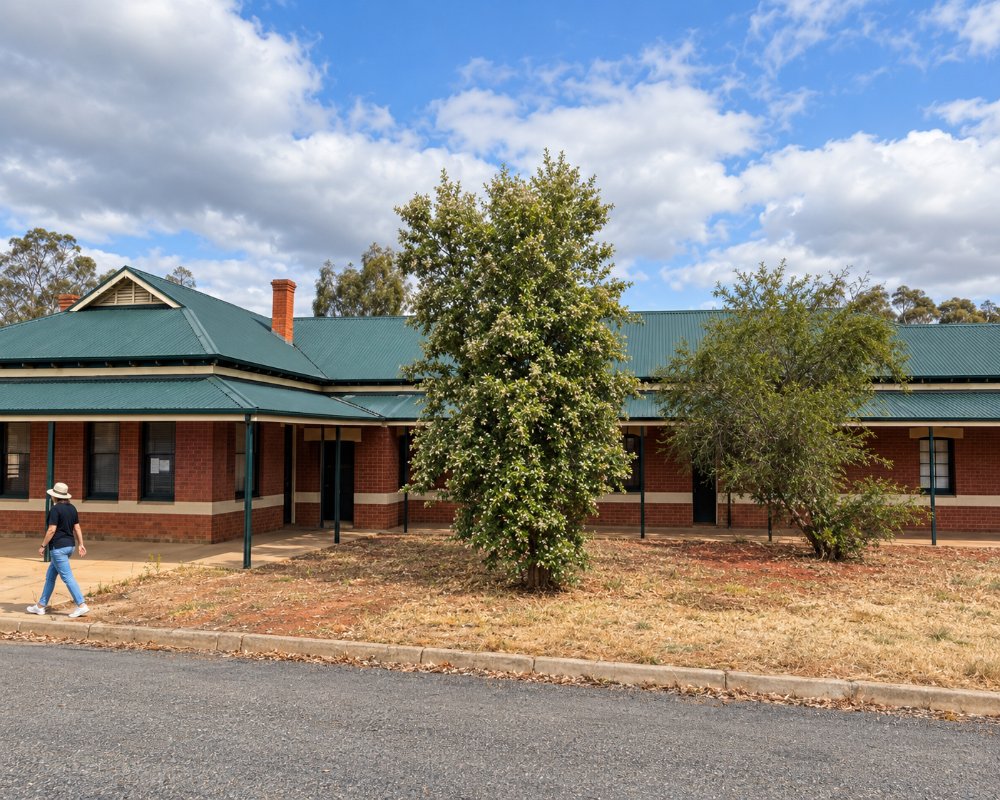
Today Bullfinch is a quiet farming and mining locality of a few dozen people, spread over a wide area of wheat paddocks, salt lakes and woodland on the western edge of the Great Western Woodlands. There is no shop or fuel in town, so stock up in Southern Cross before you head up.
Things To Do in Bullfinch
Mining Heritage
Wandering through Bullfinch today, remnants of its golden era are still visible. The town offers historical sites, including relics of the original mine and early settlement buildings. These structures provide a tangible link to the past, inviting visitors to imagine the lives of those who sought fortune in this rugged landscape.
The town boomed twice. After the 1909 rush faded, the Copperhead mine reopened under Western Mining in 1952, and at its peak Bullfinch had about 1,500 people and 400 mine workers before the mine closed in 1963. Mining returned in 1987, when Burmine worked the Copperhead for about 15 years. The Yilgarn History Museum in Southern Cross tells the story of Bullfinch and the district’s other old mining towns.
Baladjie Rock
Beyond its historical allure, Bullfinch is a gateway to some of Western Australia’s most stunning natural landscapes. Baladjie Rock, about 30 km west of the town, is a popular spot for hiking and photography. Its elevated position offers breathtaking panoramic views of the surrounding bushland, making it a favorite among outdoor enthusiasts.
The rock rises from the southern edge of the Baladjie salt lakes, with caves, overhangs and rock pools fringed by sheoaks. It is managed by the Shire of Westonia and has a free campground with toilets and fire pits that suits caravans and motorhomes. Pets are not allowed because of baiting, there is no phone coverage, and the last stretch in is a well-kept gravel track.
Wildflowers
During the wildflower season, the region transforms into a vibrant tapestry of colors, with native flora blooming across the plains. This seasonal spectacle attracts visitors from far and wide, drawn by the beauty and serenity of Bullfinch’s natural environment.
The season runs from about August to October. The signed Yilgarn Wildflower Trail loops out from Southern Cross through Marvel Loch, with sandplain displays and a chance of spotting malleefowl and echidnas.
Helena and Aurora Range
Further north, the Helena and Aurora Range (Bungalbin) is another must-visit destination. Covering vast woodlands and rugged ironstone terrain, it offers opportunities for bush camping near the base of the hills, birdwatching, and exploring the unique biodiversity of the area.
The range is about 100 km north of Southern Cross, reached via Koolyanobbing and the Mount Dimer Track, so it is a trip for well-prepared vehicles. Its banded ironstone ridges rise about 200 m above the plain and support more than 350 plant species, several of them found nowhere else.
Great Western Woodlands
Bullfinch sits near the north-western corner of the Great Western Woodlands, about 16 million hectares of eucalypt woodland, mallee and shrubland that make up the largest healthy temperate woodland left on Earth.
Where To Stay
Accommodation options in Bullfinch are limited but inviting, reflecting the town’s small-community charm. The Bullfinch Campground provides basic yet comfortable facilities, including hot showers and power hookups, perfect for travelers looking for an affordable and authentic experience.
The small Bullfinch Caravan Park, run by local volunteers, has powered sites, toilets and hot showers; check with the Shire of Yilgarn before you go. Southern Cross Caravan Park is about 35 km south on a sealed road, and Southern Cross is the place for fuel and supplies.
The park is run by the volunteer Bullfinch Progress Association. Payment is cash only and stays are limited to seven nights; phone one of the volunteers listed on the Visit Yilgarn website and someone will come and open the amenities. It suits big rigs, dogs are welcome and tents are fine.
In Southern Cross, the shire-run Southern Cross Caravan Park and Sandalwood Motor Lodge on the Great Eastern Highway has drive-through sites, cabins and motel rooms. The heritage-listed Palace Hotel, built in 1911 and recently renovated, the Club Hotel, the Southern Cross Motel and the Railway Tavern all have rooms. There is a free RV dump point at the end of Achernar Street, with free drinking water opposite, and three fuel stations that are open 24 hours.
Eat & Drink
While the Bullfinch Hotel, once a local icon, has closed its doors, visitors can find dining options in Southern Cross, a short drive away. For those planning extended stays, Southern Cross also offers a range of amenities and services to complement the Bullfinch experience.
Bullfinch has no pub, café or shop open to travellers, so bring food with you or plan your meals in Southern Cross. There, the Club Hotel pours beer from its own small brewery alongside pub meals, the Palace Hotel serves homemade meals and packed lunches, the Southern Cross Motel has a licensed restaurant, and the Railway Tavern is known for its Sunday roast. For a coffee, try the Southern Cross Coffee Lounge or the Southern Star Cafe on Antares Street, and both roadhouses sell food.
History
Bullfinch was born from the gold rush of the early 1900s. In December 1909, prospector Charley Jones struck gold, leading to the establishment of the Bullfinch mine and a thriving community. The town was gazetted in 1910, and by 1911 rail and water services connected it to Southern Cross. Over the years, Bullfinch’s fortunes have ebbed and flowed with the rise and fall of mining activity, leaving behind a rich legacy for visitors to explore.
The township took its name from the Bullfinch mine, which produced 11,117 ounces of gold from 964 tonnes of ore in its first six months. By 1912 hundreds of leases had been given up, and the Bullfinch Proprietary mine closed at the end of 1921, but farming kept the town going. The Copperhead syndicate reworked the old leases from 1932 until wartime labour shortages closed the mine in 1942, and the school closed in 1984.
Reaching Bullfinch
Bullfinch is most easily accessed by car, with a well-maintained road linking it to Southern Cross and the broader Wheatbelt region. The journey itself offers scenic views of the Australian countryside, providing a sense of the vastness and beauty of the land.
From Perth, take the Great Eastern Highway to Southern Cross, about 370 km, then turn north for the last 35 km on a sealed road. All up it is about 405 km and just over four hours, and the road suits caravans. From the west, the sealed Koorda–Bullfinch Road links Bullfinch with Baladjie Rock and Westonia. Transwa’s Prospector train between East Perth and Kalgoorlie stops at Southern Cross, but there is no public transport to Bullfinch itself.
For those seeking an escape from the hustle of modern life, Bullfinch offers a rare opportunity to connect with Western Australia’s rich history and natural wonders.
Experiences
- Historic/Heritage
- Nature based
- Remote
- Self-Drive
Popular Activities
- Bush Walking
- Caravan and Camping
- Driving
- Outback
- Sightseeing
About Bullfinch
- Locality: Rural locality
- Bullfinch Postcode: 6484
- State: Western Australia
- Region: Esperance & the Golden Outback
- Latitude: -30.98421
- Longitude: 119.11661
- Elevation: 366m
- Population: 34
- Median Income: $15236
- Area (Sq/km): 1191.496
- Timezone: Australia/Perth
