
Adelaide City Centre, SA
The centre of Adelaide is one of the easiest city centres in Australia to enjoy. Colonel William Light drew it in 1837 as a neat grid one mile square, with five garden squares inside and a belt of parkland all the way around, and that plan survives intact. Everything a visitor wants is within a 20 minute walk: the museums and galleries of North Terrace, the shops of Rundle Mall, a hundred small bars and restaurants, and the hotels that put you in the middle of it.
Known For
- North Terrace, a boulevard of free museums and galleries
- Rundle Mall and its arcades
- Laneway bars and restaurants on Peel and Leigh streets
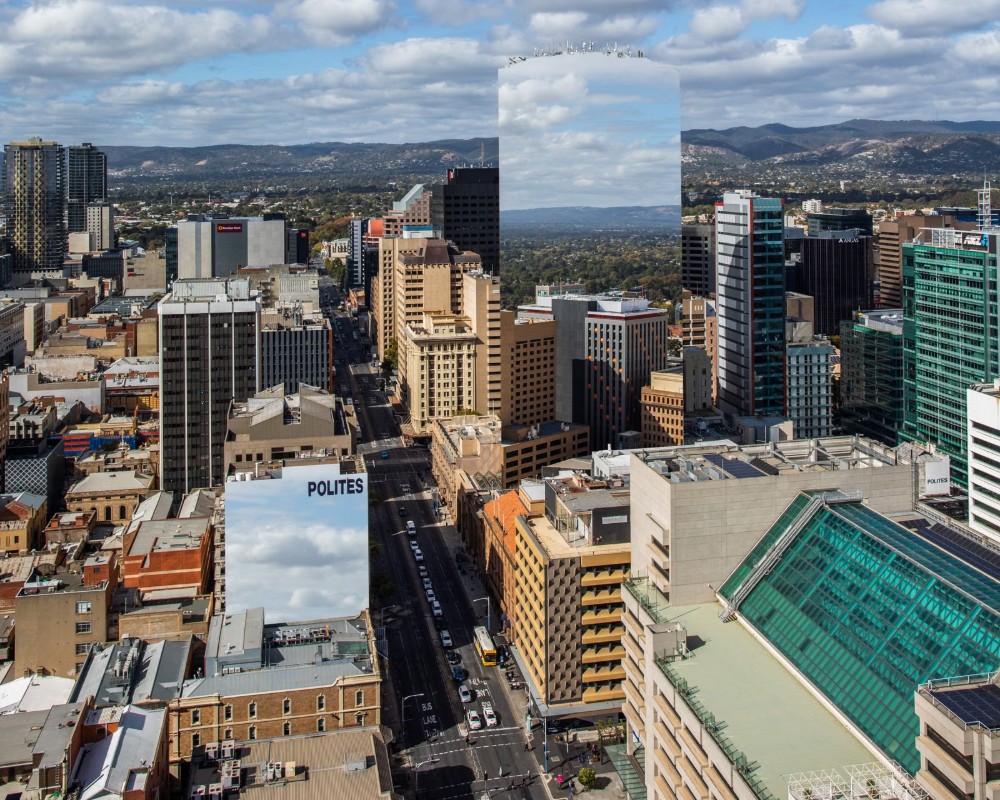
The grid is simple to learn. King William Street runs north to south through Victoria Square, the formal heart of the city. North Terrace forms the top edge, with the railway station, Parliament and the cultural institutions along it. Rundle Mall and its continuation Hindley Street cross just below, and the business district fills the blocks between there and the square.
Adelaide is a festival city. From mid-February to mid-March the Fringe, the Adelaide Festival and WOMADelaide overlap and the whole centre turns into a party. Football, cricket, a street motor race in late November and a winter light festival fill the rest of the calendar, so it pays to check dates before booking.
Things To Do in Adelaide City Centre
North Terrace
A walk along the northern side of this tree-lined boulevard passes Parliament House, Government House, the State Library, the South Australian Museum, the Art Gallery of South Australia and two universities. The museum holds the world’s largest collection of Aboriginal cultural material and a famous gallery of opalised fossils. The art gallery is free and strong on Australian and Aboriginal work. Step into the State Library’s Mortlock Wing to see one of the most beautiful Victorian reading rooms anywhere.
Rundle Mall
Australia’s first pedestrian mall, opened in 1976, is still the city’s main shopping street, with department stores, 700 shops and more than a dozen arcades. Look for the bronze pigs, the stacked silver spheres known as the Malls Balls, the ornate Adelaide Arcade of 1885 and the original Haigh’s chocolate shop at Beehive Corner.
Victoria Square
Known to the Kaurna as Tarntanyangga, the central square has a fountain representing the state’s three rivers and is framed by the Town Hall, the old Treasury and the former General Post Office, now a hotel. The tram to Glenelg stops in the middle and the Central Market is one block west.
Laneways and Small Bars
Peel Street and Leigh Street, between Hindley and Currie streets, are the centre of a small bar scene that has changed the city since 2013. Dozens of tiny venues pour South Australian wine, gin and craft beer, and the same lanes hold many of the best restaurants.
The West End
Around Hindley Street and Morphett Street are live music pubs, the Lion Arts precinct, the JamFactory craft and design studios, and the university and medical research buildings of the western North Terrace. Hindley Street itself is the late-night strip, lively and a little rough at the edges.
Lot Fourteen
The old hospital site at the eastern end of North Terrace is now an innovation district, home to the Australian Space Agency. Its Space Discovery Centre is free to visit with a booking and popular with children.
Mineral Bathhouse
A bathhouse opened on Flinders Street at the end of September 2026. Its thermal circuit takes in infrared saunas, a traditional Nordic sauna, an ice plunge and a salt room, finishing in a large magnesium pool kept at 37 degrees. It makes a warming break on a winter day of museums, or a recovery stop after a long walk around the grid. Check session times before you go.
Where To Stay
Staying in the centre means you can walk almost everywhere and use the free trams for the rest. At the top end, the Adelaide Marriott occupies the restored General Post Office on Victoria Square, the Mayfair Hotel fills a 1930s insurance building on King William Street, and the Sofitel Adelaide on Currie Street has a French restaurant high above the city. The Playford on North Terrace is a long-standing boutique favourite.
The Hilton Adelaide on Victoria Square is next to the Central Market and the Glenelg tram. Hotel Indigo, the Pullman on Hindmarsh Square, Vibe Hotel and the Crowne Plaza cover the middle range, and the ibis on Grenfell Street and the YHA on Light Square suit tighter budgets. Rates jump during the March festivals, the Gather Round football weekend in April and big cricket matches.
Peppers Waymouth, on Waymouth Street close to the lanes and the Central Market, is being rebranded as Mövenpick Adelaide from December 2026. Hotel Grand Chancellor Adelaide has recently refurbished its rooms, and the Majestic Roof Garden Hotel on Frome Street puts you at the East End of Rundle Street. Serviced apartment hotels are spread across the grid and suit families and longer stays, with kitchens and laundries. For something with more character, the North Adelaide Heritage Group lets out the Fire Station Inn, built as South Australia’s first fire station, and the Buxton Manor apartments and cottages, a 15 to 20 minute walk across the river.
Book well ahead for the Fringe and WOMADelaide in February and March and for the Supercars weekend in late November (the bp Adelaide Grand Final runs 26 to 29 November 2026), when the street circuit closes roads in the eastern Park Lands. Caravans and motorhomes are best left outside the centre: the Levi Adelaide Caravan Park at Vale Park, on the Torrens about 4 km north-east, and West Beach Parks by the sea about 10 km west both have powered sites and cabins, with buses or the tram into the city.
Eat & Drink
The lanes are the place to start. Peel St serves generous modern share plates, Shobosho on Leigh Street cooks Japanese-style over fire, and Fugazzi does polished Italian a few doors away. Osteria Oggi on Pirie Street is loved for pasta, and Press Food and Wine on Waymouth Street for grills.
For a drink, try Maybe Mae, hidden behind a panelled wall off Peel Street, Clever Little Tailor, Pink Moon Saloon or Hains and Co. Rooftop bars include 2KW on King William Street, and Hennessy on the roof of the Mayfair has been closed and is due to reopen in late 2026, so check before you go. Old pubs such as the Grace Emily on Waymouth Street keep live music going most nights. Good coffee is everywhere, and Leigh Street and Pirie Street have some of the best.
The centre’s food and drink scene grew quickly after small bar licences arrived in 2013, and it now runs from laneway wine bars and cocktail rooms to a city brewery and a gin tasting room. The thickest cluster is around Peel, Leigh and Gilbert streets, with Gouger Street and the Central Market a few blocks south and Rundle Street’s pubs to the east. Many smaller kitchens close on Sundays or Mondays, so check hours early in the week and book ahead for Friday and Saturday nights.
Laneway restaurants
Gondola Gondola, at the top of Peel Street, cooks bright South-East Asian dishes for sharing and suits a group. Leigh Street Wine Room is a wine-led restaurant and bar in a narrow room on Leigh Street, good for a long dinner or a glass and a snack at the bar. On King William Street, La Louisiane is a dark, moody brasserie that stays open late, from the team behind NOLA in the East End. For a special night, Garçon Bleu, on level 9 of the Sofitel on Currie Street, serves refined French food high above the western end of the city.
Wine bars and cocktail rooms
Jennie Wine Bar is a small wine bar on Peel Street; the same group opened No 6 East on East Terrace in 2026. Proof, tucked into Anster Street, is a compact bar that its owners like to call a fancy front bar, good for a cocktail or a whisky after dinner. Upstairs from Hains and Co on Gilbert Place, Admiral’s Quarters opened at the end of August 2026 as a 50-seat lounge with leather lounges, a balcony and a collection of about 620 whiskies, with lockers where regulars can keep a bottle.
Breweries and gin
Lady Burra Brewhouse, in Topham Mall off Currie Street, calls itself the first microbrewery in the city centre and serves its own beers with a full food menu. Prohibition Liquor Co. opens its Gilbert Street tasting room for table bookings on Friday and Saturday evenings, pouring its gins, including one made with native lime and saltbush, neat, in flights or in cocktails. Both are short walks from the Central Market and the Peel Street lanes, so they fit easily into an afternoon of grazing.
Cafes, coffee and late food
Elementary Coffee, one of Adelaide’s best-known roasters, runs a weekday cafe on Young Street. Peter Rabbit on Hindley Street is a cafe and bar; its owners also opened the Puddle Duck kiosk in Rymill Park in 2026. If you are hungry after midnight, the Bakery on O’Connell in North Adelaide, open 24 hours a day, is a 20 minute walk or a short taxi ride across the river.
Pubs and live music
The Grace Emily on Waymouth Street changed hands in September 2026, but the new owners have kept the kitsch decor and the Coopers on tap and are aiming for live music seven nights a week. The Crown and Anchor, the East End’s famous music pub, is trading from the Ed Castle on Currie Street while a tower is built beside its Grenfell Street home. For a classic Rundle Street session, the Exeter and the Austral, both with no pokies and regular bands, are a short walk east.
History
The city stands on the country of the Kaurna people, who call the place Tarntanya, the red kangaroo place. Light chose the site in December 1836 and finished his survey the next year. The new capital was named after Queen Adelaide, wife of King William IV.
South Australia was founded by free settlers and not convicts, and the early city drew religious dissenters from Britain and Germany. Their many churches gave Adelaide its old nickname, the City of Churches. Stone buildings from the prosperous 1870s and 1880s still line North Terrace and King William Street.
Day Trips
The beach at Glenelg is half an hour away by tram, and the museums of Port Adelaide the same by train. The Adelaide Hills and the German village of Hahndorf are 30 minutes by car, and the wine regions of the Barossa and McLaren Vale about an hour and about 45 minutes away. Across the river, North Adelaide has Adelaide Oval and more places to eat.
Getting to Adelaide City Centre
Adelaide Airport is only seven kilometres west, 15 to 20 minutes by taxi or about 25 minutes on the J1 and J2 buses. Suburban and interstate trains arrive at Adelaide Railway Station on North Terrace and at Keswick. Trams are free within the city centre, and free City Connector buses loop around the grid and to North Adelaide.
Experiences
- City
- Cultural
- Food and Wine
- Historic/Heritage
Popular Activities
- City Sightseeing
- Food and Wine
- Nightlife
- Shopping
About Adelaide City Centre
- Locality: Suburb
- Adelaide City Centre Postcode: 5000
- State: South Australia
- Region: Adelaide
- Latitude: -34.92850
- Longitude: 138.60070
- Timezone: Australia/Adelaide
