
Eyre Bird Observatory, WA
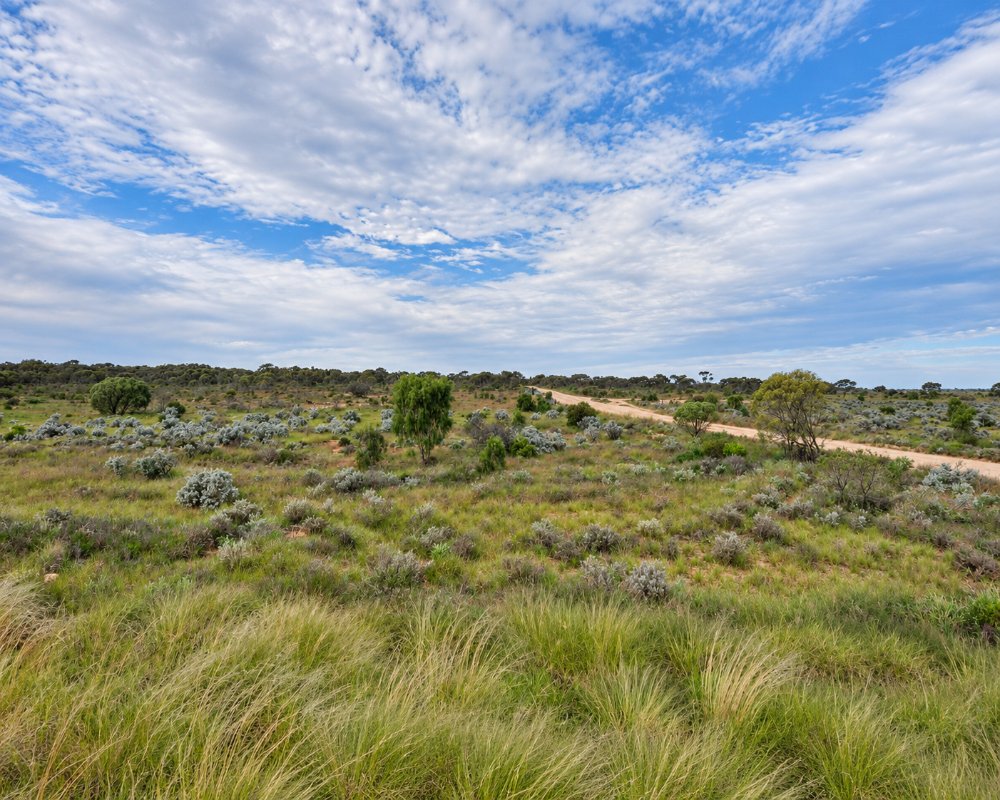
The Eyre Bird Observatory is set in the old Eyre Telegraph Station, a stone building from 1897, on the remote Nullarbor coast about 50 km south of Cocklebiddy. Set up by BirdLife Australia in 1977, it was Australia’s first bird observatory, and it sits in Nuytsland Nature Reserve, between the Hampton Tablelands escarpment and the Great Australian Bight.
This is Mirning country. In 2026, BirdLife Australia closed the observatory to visitors while health and safety work is carried out, and it asks people not to travel there until it reopens. Check BirdLife’s website for updates before planning a visit.
Known For
- Australia’s first bird observatory, opened in 1977
- The 1897 Eyre Telegraph Station
- Remote Nullarbor coast and dunes
Things To Do in Eyre Bird Observatory
Birds
More than 230 bird species have been recorded around the observatory, from honeyeaters and parrots in the mallee to seabirds along the coast. When open, volunteer caretakers run the observatory and keep records of the birds.
Telegraph station
The stone building was the Eyre station on the East-West Telegraph Line, replacing an earlier station from 1877 that is now buried in the dunes. It houses a small museum.
Coast and whales
The nearby beaches and dunes are wild and empty, and southern right whales pass from about June to November.
Walk trails and weather station
Walk trails lead through the mallee and dunes, and the observatory has kept weather records for decades.
Where To Stay
When the observatory is open, the gravel road to a lookout on the escarpment suits 2WD vehicles, but the last 9 to 10 km below the escarpment is soft sand and 4WD only. Caravans, trailers and 2WD vehicles must be left at the lookout, and caretakers can collect booked overnight guests. Overnight stays include meals, and day visits are possible during set hours. Camping is not allowed once you leave the highway.
The nearest caravan park is at the Cocklebiddy Roadhouse, about 17 km west of the turn-off, which also has rooms and fuel.
Eat & Drink
There is nowhere to buy food at the observatory. The Cocklebiddy Roadhouse has a restaurant and tavern.
History
Edward John Eyre found water near here in 1841 during his crossing of the Bight. The first telegraph station opened in 1877, and the stone building was built in 1897. After the line moved north to the railway, the station was abandoned. The Royal Australasian Ornithologists Union, now BirdLife Australia, set up the observatory in 1977.
Getting to Eyre Bird Observatory
The observatory turn-off is about 17 km east of Cocklebiddy on the Eyre Highway, about 1,170 km from Perth, and the observatory is about 50 km from Cocklebiddy.
When it reopens, the best time to visit is autumn to spring. Summer is hot, and the sandy track can be hard going.
Experiences
- Eco Tourism
- Nature based
Popular Activities
- Bush Walking
- National Park
- Wildlife
About Eyre Bird Observatory
- Locality: Natural attraction
- Eyre Bird Observatory Postcode: 6443
- State: Western Australia
- Region: Esperance & the Golden Outback
- Latitude: -32.2500
- Longitude: 126.3000
- Timezone: Australia/Perth
