
Dargo, VIC
Dargo is a tiny village in the valley of the Dargo River, about 90 km north of Bairnsdale and around 330 km from Melbourne, in the foothills of the Victorian Alps. Surrounded by century-old walnut groves and steep forested ranges, it has a historic pub, a general store and a scattering of houses, and it is one of the classic stops for 4WD and high country travellers.
From Dargo, gravel roads and tracks climb to the abandoned gold town of Grant, the remote Wonnangatta Valley and the Dargo High Plains Road to Dinner Plain.
Known For
- The Dargo Hotel and walnut groves
- The Grant historic goldfields
- The Wonnangatta Valley and high plains
Things To Do in Dargo
Dargo Hotel
The Dargo Hotel was rebuilt after a fire in 1898, partly with buildings brought down from Grant. It is the heart of the village, open seven days from late morning, with meals at lunch and dinner.
Walnut Groves
Dargo’s walnut groves, planted more than a century ago, line the river flats and turn gold in autumn.
Grant Historic Area
Gold was found at Grant in 1864, and within a year about 2,000 people and 15 hotels crowded the ridge. By 1916 the town was abandoned. Today you can visit the Jewellers Shop Mine, the New Good Hope battery and the cemetery, and nearby Talbotville sits on the Crooked River. Access is by 4WD only.
Wonnangatta Valley
The remote Wonnangatta Valley, reached by 4WD tracks, is famous for the unsolved murders of the station manager Jim Barclay and cook John Bamford in 1917 and 1918. The homestead burned in 1957, and the valley is now a peaceful high country camping spot. In January 2026 a lightning-started fire burnt about 50,000 hectares of the Wonnangatta and Dargo high country, so check Parks Victoria for track and campground closures before you go.
Dargo High Plains Road
The Dargo High Plains Road climbs from Dargo to the Great Alpine Road near Dinner Plain, over snow plains and through snow gums. It is gravel and closes in winter, usually from after the King’s Birthday weekend until around Melbourne Cup.
Dargo Heritage Museum
The Dargo Heritage Museum, on the road from Bairnsdale, opens by appointment.
When To Visit
Summer and autumn are best, when the high country roads are open; autumn brings the walnut harvest and golden leaves. Many tracks close in winter, and in summer check fire danger before heading into the forest.
Where To Stay
The Dargo Motor Inn has 11 rooms, booked through the hotel, and the Dargo River Inn takes group bookings. The Wonnangatta Caravan Park has closed.
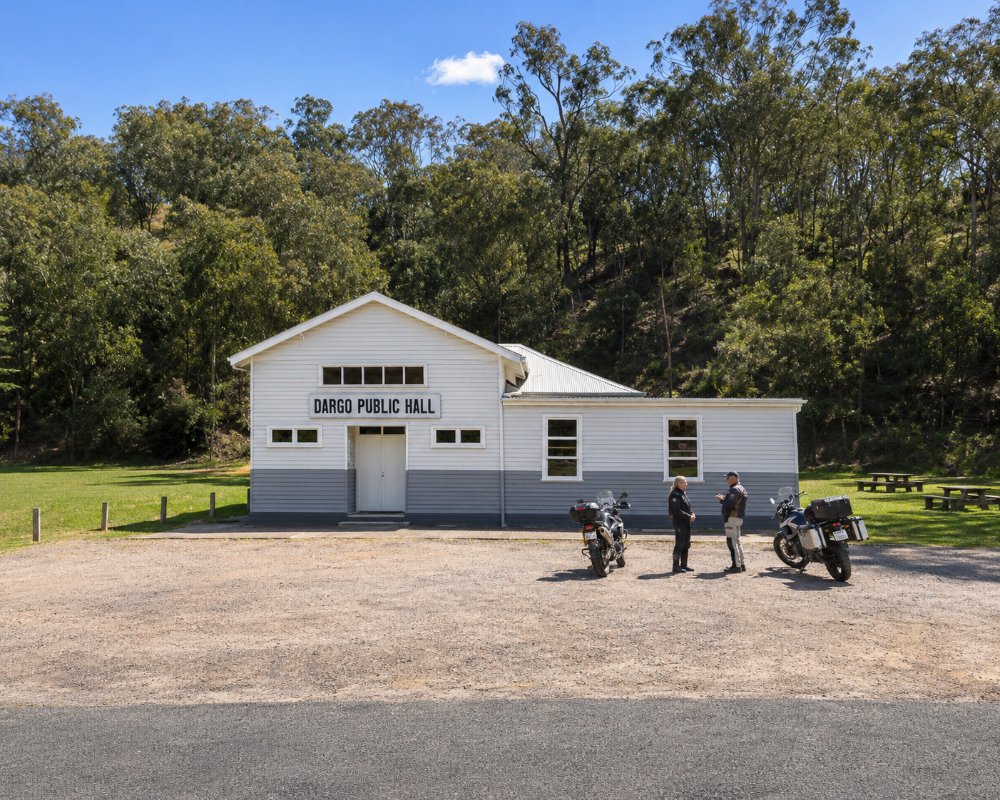
For campers, there are camping areas at the Dargo Public Hall and Recreation Reserve, free campsites along the Dargo River such as Italian Flat, and bush camps in the Alpine National Park. The road from Bairnsdale is sealed and suits caravans; beyond Dargo, tracks are gravel or 4WD only. Fuel up in Dargo.
The Dargo Hotel runs most of the beds in town. The Dargo Motor Inn, about 120 metres from the pub, has seven twin rooms, three queen rooms and a family room, all with ensuites. Next to the hotel are four two-bedroom log cabins, built by the publican in 1998, with a queen bed and bunks. Across the road, Dargo Central has motel-style rooms and Grandma’s House is a five-bedroom historic home for groups. Inside the hotel are bunk rooms for up to seven people.
The hotel also has a large camping paddock behind the pub. There are no bookings: register at the bar when you arrive, pay a fee per adult and leave a key deposit for the locked gate. There are portable toilets, but bring your own firewood and fire drum, and take all rubbish home. Dogs on leads are welcome, and sheep share the paddock at times.
Beyond the village, the Dargo High Plains Road and the tracks to Grant and the Wonnangatta are steep and gravel and do not suit caravans.
Eat & Drink
The Dargo Hotel serves meals at lunch and dinner. The Dargo General Store, in a 1923 building moved from Grant, has barista coffee, hot food, fuel, gas and the post office.
Dargo is a village of about 150 people, so there are just two places to eat, and both are worth the stop. The Dargo Hotel serves lunch and dinner seven days in its dining room and outdoor area, with hearty country meals and cold beer on tap; book ahead on busy weekends, when it also hosts live bands, such as Easter, the Labour Day long weekend and AFL Grand Final weekend. The Dargo General Store has barista coffee, hot takeaway food and baked goods, plus groceries, camping gear, fishing tackle, alcohol and gas refills, and it runs the post office.
The store is closed on Mondays, which matters because it is also the only fuel in Dargo, so plan your fuel stops. There is nothing to buy along the Dargo High Plains Road or at Grant, so carry food and water. For supermarkets, stock up in Bairnsdale, about 90 km south.
History
This is Gunaikurnai Country. Gold drew miners to Grant and the Crooked River in the 1860s, and Dargo grew as a supply point. Cattlemen grazed the high plains for more than a century. In recent years the hotel and motor inn have been on the market.
Getting to Dargo
Dargo is about 330 km east of Melbourne, around 4 hours’ drive via the Princes Highway to Stratford or Bairnsdale, then north on the Dargo road. There is no public transport.
Experiences
- Remote
- Rural/Country
- Self-Drive
Popular Activities
- Bush Walking
- Caravan and Camping
- Driving
- Fishing
- National Park
- Sightseeing
