
Liffey, TAS
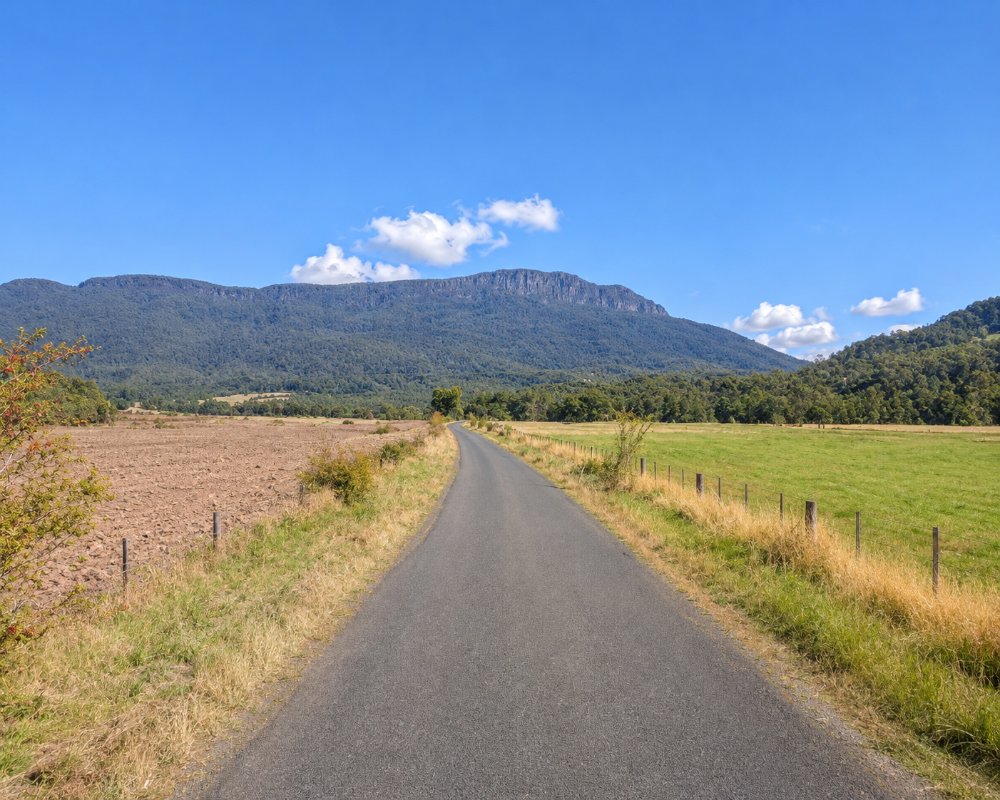
Liffey is a small, scattered community in a forested valley beneath the Great Western Tiers, 41 km south-west of Launceston and nine kilometres from Bracknell. About 150 people live along the river.
Its name is known all over Tasmania for Liffey Falls, a series of cascades in cool rainforest that is one of the most photographed spots in the state. The valley is also where the conservationist Bob Brown made his home.
Known For
- The cascades of Liffey Falls
- Rainforest walks and a giant tree
- Free camping beside the river
Things To Do in Liffey
Liffey Falls from the Upper Car Park
The shorter walk, two kilometres and about 45 minutes return, descends through tree ferns, myrtle and sassafras past three smaller cascades to Victoria Falls, the main drop. There are barbecues and toilets at the car park, and a huge old stringybark known as the Big Tree a few minutes away. The road to this car park is narrow, steep and unsealed, and is not suitable for caravans, motorhomes or trailers.
Liffey Falls from the Lower Car Park
A longer track follows an old logging tramway up the river from the campground, with many stairs. Allow two to three hours return. This is the approach for larger vehicles.
Oura Oura and the Bush Heritage Reserves
Bob Brown’s former home, Oura Oura, sits under Drys Bluff and was given to Bush Heritage Australia in 2011. It is open for self-guided day visits. A nearby reserve protects myrtle rainforest along the river, bought in 1991 to save it from logging.
Fishing
The Liffey River holds trout; a licence is needed.
Where To Stay
The only place to stay at Liffey is the campground.
The lower Liffey Falls camping area, at the end of Gulf Road, is free and takes campervans, small buses and caravans. It has toilets, picnic tables and a shelter, but no drinking water and no showers, and it cannot be booked. Dogs are not allowed. There is no fuel or shop at Liffey; Bracknell has basic supplies, and Deloraine and Westbury have the rest, with a dump point at Deloraine. The village of Meander, further west along the Tiers, has a small caravan park.
The lower campground is run as a free site on the banks of the Liffey River, with a handful of grassy pitches, each with a barbecue and picnic table, and a toilet by the car park. Fires may be lit only in the fireplaces provided, and bikes are not allowed on the walking tracks. Bring all your drinking water, and fill your water containers and fuel tank in Deloraine or Launceston, as there is nothing to buy in the valley. The final stretch to the campground is gravel, so take it slowly and watch for log trucks. In winter the Highland Lakes Road climbing the Tiers can be icy, which is another reason to use the Bracknell approach with a van.
If the campground is full or you want power and showers, the Deloraine Apex Caravan Park, about 35 km away by the Meander River, has powered and unpowered sites, a camp kitchen and a shower block. Deloraine also has a self-contained RV stop off Racecourse Drive, by permit from the visitor centre, for up to four nights. The free camp at Westbury, about 25 km north, takes fully self-contained vehicles, and Hagley RV Farm Stay, a little further on, has grassy sites outside winter. Meander Country Cabins & Vans, at Meander, has a few powered sites and cabins under the Tiers. For a roof, Fitzpatrick’s Inn at Westbury and Bonney’s Inn at Deloraine are both heritage buildings.
Eat & Drink
There is nowhere to eat at Liffey. Bring a picnic.
The nearest meals are at Westbury, about 25 km north, where Western Tiers Distillery serves pizza and platters with its whisky and gin, and Love Lucy Boots Wine Room pours coffee by day and wine later on. Deloraine, about 35 km away, has the widest choice: Little Green Men Brewing at the British Hotel has a bistro open every day, and the Bush Inn Brewhouse serves sourdough pizza and its own beers. There is no kiosk or food of any kind at the falls, so bring a picnic for the barbecues.
History
The valley was a meeting place for the Aboriginal peoples of the north, the North Midlands and the Big River country for thousands of years. It was named by an Irish settler, Captain William Moriarty, after the river that runs through Dublin. Timber cutters worked the forest in the early 1900s, hauling logs on the tramway that the lower track now follows. Bob Brown bought Oura Oura in the 1970s, and the campaign to protect the nearby forest led to the founding of Bush Heritage Australia.
Getting to Liffey
For the lower car park and campground, drive through Bracknell and follow Liffey Road and Gulf Road; this is the route for caravans. For the upper car park, take the Highland Lakes Road (A5) south from Deloraine and turn onto Riversdale Road, which is unsealed with sharp bends and log trucks.
Experiences
- Caravan and Camping
- Nature based
- Rural/Country
- Self-Drive
Popular Activities
- Bush Walking
- Caravan and Camping
- Fishing
- Sightseeing
About Liffey
- Locality: Rural locality
- Liffey Postcode: 7301
- State: Tasmania
- Region: Launceston & North
- Latitude: -41.6668
- Longitude: 146.8591
- Elevation: 317m
- Timezone: Australia/Hobart
