
Dublin and the Samphire Coast, SA
The Samphire Coast is the low, quiet shore of Gulf St Vincent north of Adelaide, a run of tidal flats, mangroves and tiny shack settlements between Port Gawler and Port Parham. Its service town is Dublin, a village of about 400 people on the Port Wakefield Highway, 60 km and less than an hour from the city.
Known For
- Raking for blue swimmer crabs
- Migratory shorebirds in the bird sanctuary
- Quiet beach settlements and cheap camping
This is not a coast of surf and sand. The gulf here is so shallow that the tide goes out for a kilometre or more, leaving flats where people wade with rakes for blue swimmer crabs, and behind the beach are samphire marshes that feed tens of thousands of shorebirds. Almost the whole shoreline now lies inside the Adelaide International Bird Sanctuary National Park. It is flat, open, windy country with big skies and very few people.
Things To Do in the Samphire Coast
Crabbing
From late spring to autumn the blue swimmer crabs come into the shallows, and families walk out at low tide with rakes and tubs at Thompson Beach, Port Parham, Middle Beach and Port Gawler. Size, bag and boat limits apply and are enforced by fisheries officers, and females carrying eggs must go back. Check the current limits for Gulf St Vincent before you start, and wear old shoes.
Adelaide International Bird Sanctuary
The national park, known in Kaurna as Winaityinaityi Pangkara, protects more than 60 km of coast used by birds that fly here each summer from as far away as Siberia and Alaska. Entry is free. The best access is at Thompson Beach, ten kilometres from Dublin, where two walking trails follow the shore north and south from the settlement. Bring binoculars and come within a couple of hours of high tide, when the birds are pushed close in. Dogs must be on a lead.
Port Parham and Webb Beach
Port Parham was once a small grain port and is now a row of shacks facing the flats, with a social club and a campground. Webb Beach, next door, is smaller still. Both are good places to watch the tide and the sunset over the gulf.
Middle Beach and Port Gawler
Further south, Middle Beach and Port Gawler sit among the mangroves at the mouths of tidal creeks, with boat ramps used by fishers after whiting (squid and garfish have been closed in Gulf St Vincent since May 2026 and snapper is closed until at least June 2027, so check the current rules before you go). The mangrove forest at Port Gawler is one of the largest near the city.
Dublin
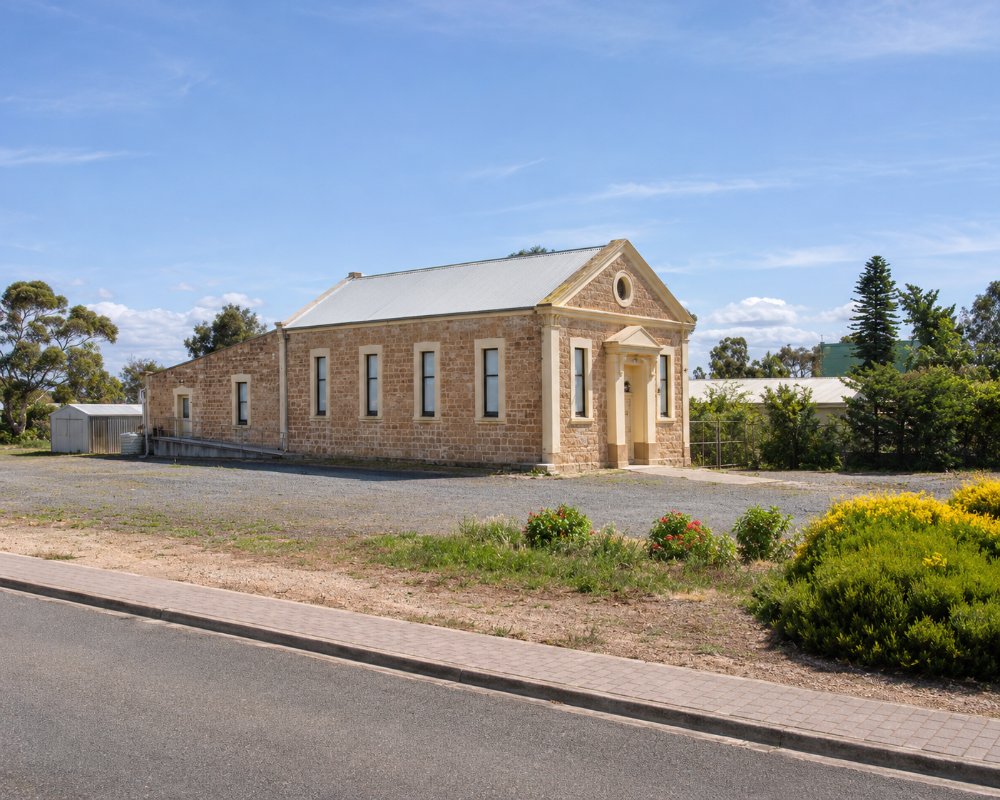
The village has a history room in the old Institute of 1885, a short town walk and a pub that began as a coaching stop.
Dodge Tides
Gulf St Vincent has a rare tidal pattern called the dodge tide: around some neap tides the water barely rises or falls for a day or more. On those days the flats at Port Parham and Thompson Beach may stay covered or stay dry for hours, so check a tide table before planning a crabbing trip or a walk on the flats.
Where To Stay
There are no hotels on this coast, only a few holiday houses to rent at Thompson Beach and Port Parham.
The Parham Campground, run by the local Lions Club, has unpowered and a few powered sites a short walk from the beach, with toilets, a coin shower and a dump point, at about $15 to $20 a night. Camping on the foreshore itself is not allowed. Two Wells has a motel, and Mallala has another low-cost campground.
The Parham Camping Ground sits at the northern edge of the Port Parham township on The Esplanade. It is managed by the Lions Club of Mallala and Districts in partnership with the Parham and District Action Group, and profits go back into the community. Sites are booked online, with caravan, RV and tent sites and powered sites, a barbecue and camp kitchen, and coin-operated showers. Campers must have a car with them, because the site’s fire evacuation plan depends on it.
The Mallala Camping Ground, about 20 km south-east beside the town oval on Wasleys Road, is run by the same Lions club and suits big rigs, with a dump point, coin-operated showers and laundry, a camp kitchen and a 14-night limit.
For cabins or more facilities, Gawler Gateway Tourist Park at Evanston South, about 50 km south-east, has cabins, hex huts and big-rig sites, and Gawler Caravan Park is close to Gawler‘s main street.
Eat & Drink
The Dublin Hotel, licensed since 1869, is the place for a meal, and the Dublin general store and the roadhouses on the highway cover the basics. The Port Parham Sports and Social Club opens its bar at limited times. Otherwise, bring what you need and cook your catch.
Food on this coast is simple, and most visitors bring supplies and cook their crabs. Dublin itself has a butcher and a greengrocer as well as the general store and fuel, so it is the last place to stock up before heading to the beach settlements, where there is little or nothing to buy. The camp kitchen at the Parham Camping Ground has barbecues for cooking the catch.
For a meal out, the V Hotel at Virginia, about 35 km south on the highway, has a bistro that seats 200, a kids’ menu and indoor play area, and a sports bar. Nearby on Gawler Road, the cafe at Virginia Home and Garden is a good lunch stop on the way back to the city.
Gawler, about 45 minutes east, has more pubs, including the Golden Fleece, with wood-fired pizza and a beer garden, and the Gawler Arms, with a family bistro.
History
This is Kaurna country. The Dublin Hotel opened in 1869 as a change station for coaches on the road north, and the town was surveyed in 1873 and proclaimed in 1876. Port Parham shipped wheat and wool by ketch until road transport took over. The bird sanctuary was announced in 2014 and the national park proclaimed in 2016.
Getting to the Samphire Coast
Take the Port Wakefield Highway north from Adelaide through Virginia and Two Wells. Dublin is on the highway, with signposted sealed roads running west to each beach settlement; Port Gawler is reached from the highway south of Two Wells. There is no public transport. On days of catastrophic fire danger the national park is closed.
Experiences
- Caravan and Camping
- Nature based
- Relaxation
- Rural/Country
- Self-Drive
Popular Activities
- Beach
- Bird Watching
- Caravan and Camping
- Fishing
- Kayaking
About Dublin and the Samphire Coast
- Locality: Rural locality
- Dublin and the Samphire Coast Postcode: 5501
- State: South Australia
- Region: Adelaide
- Latitude: -34.4530
- Longitude: 138.3530
- Timezone: Australia/Adelaide
