
Lemon Tree Passage, NSW
Lemon Tree Passage sits at the tip of the Tilligerry Peninsula, a finger of bushland that reaches into the western waters of Port Stephens. It is only ten kilometres from Nelson Bay as the pelican flies but 40 minutes away by road, and that distance has kept it a quiet fishing village while the rest of the port has grown. The attractions are simple: a waterfront park, a marina, calm water for fishing and paddling, and koalas that wander through the streets.
Known For
- A peaceful waterfront with a marina, park and tidal pool
- Some of the best estuary fishing and crabbing in the port
- Wild koalas in the trees along the foreshore
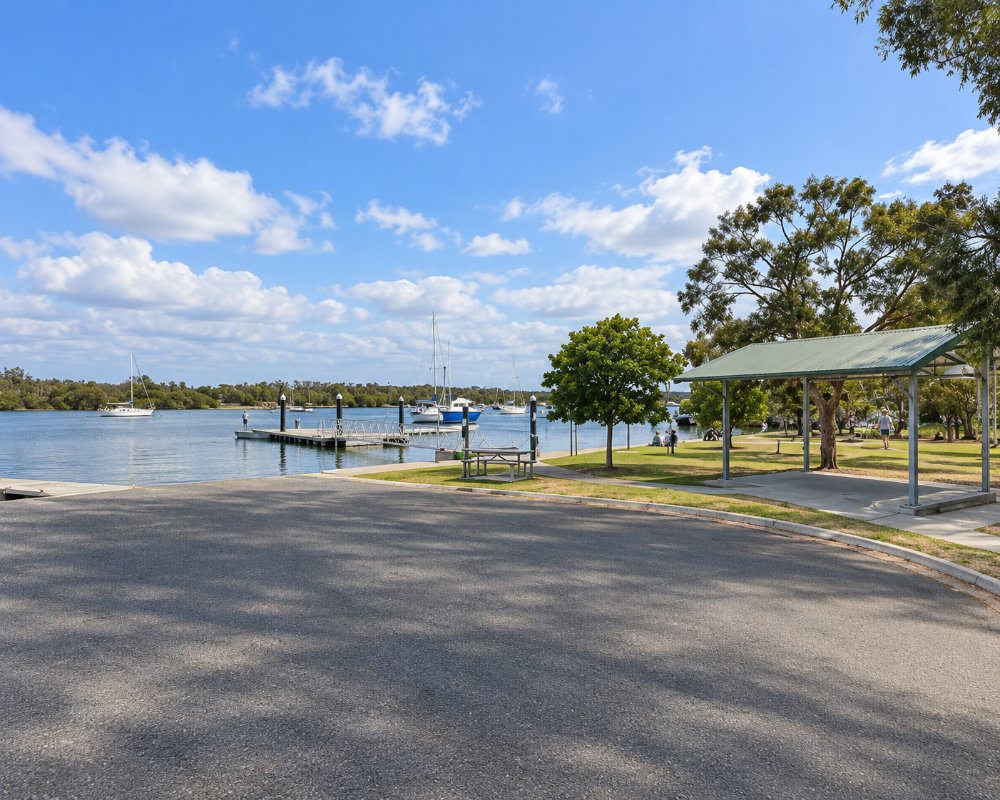
The village looks across a narrow channel, the passage of its name, to the mangroves of Bulls Island, with Tilligerry Creek on one side and the open port on the other. The water is shallow and sheltered, the tides run briskly through the channel, and oyster leases line the creek.
Lemon Tree Passage is the largest of three joined settlements on the peninsula, along with Mallabula and Tanilba Bay. Together they have a few thousand residents, many of them retirees, and a strong community feel.
Things To Do in Lemon Tree Passage
Henderson Park and the Waterfront
The foreshore reserve in the centre of the village has lawns, picnic shelters, a playground and a netted tidal swimming pool, with a long timber wharf beside it. It is a lovely place to sit and watch the boats and the pelicans, particularly late in the day.
Koala Spotting
The Tilligerry Peninsula has one of the healthiest koala populations in the Port Stephens district. Walk the foreshore path between Lemon Tree Passage and Mallabula and check the forks of the swamp mahogany and red gum trees; early morning and dusk are best. At Tanilba Bay, ten minutes away, the Tilligerry Habitat reserve has boardwalks and volunteer guides.
Fishing, Crabbing and Boating
Flathead, bream, whiting and luderick are caught from the wharf, the rock walls and small boats, and blue swimmer and mud crabs are taken in the creek in the warmer months. There is a public boat ramp and a marina with fuel, and hire boats and kayaks are available. Tilligerry Creek, winding through mangroves, is a fine sheltered paddle.
Tanilba House and the Peninsula
At Tanilba Bay, the stone homestead of Tanilba House was built by convicts in 1831 and is among the oldest houses in the region; it opens on set days. The village around it was laid out in the 1930s with unusual stone gateways and avenues that are now heritage listed.
The Ghost Road
Lemon Tree Passage Road, the long straight road into the village through the forest, has a local legend attached: drivers have reported a mysterious light following their cars at night, said to be the ghost of a motorcyclist. The story went around the world in 2010. Whatever you make of it, keep to the speed limit and watch for koalas and kangaroos.
Where To Stay
Accommodation is modest and inexpensive. There is a motel in the village, a caravan park nearby, and a good number of waterfront holiday houses, some with their own jetties.
It suits anglers, boat owners and anyone after a quiet week by the water. For resorts and a wider choice, the hotels of Nelson Bay are 40 minutes away.
Eat & Drink
The marina has a waterfront restaurant and cafe with a deck over the channel, the obvious place for lunch. The bowling club in the village and the RSL club at Tanilba Bay serve bistro meals at club prices, and there are a few shops, with Coles five minutes away at Tanilba Bay.
Fresh oysters can be bought from Holberts at Salamander Bay and from growers at Karuah, on the other side of the port, though supply has been short since 2021.
The marina restaurant is The Poyer’s, where chef Ludovic Poyer cooks a French-leaning seasonal menu of oysters, house-made pasta and market fish; it was named the state’s best seafood restaurant at the 2024 Sydney Fish Market awards, and booking is wise (closed Monday and Tuesday). Lemon Tree Kitchen, opposite the marina, does breakfast and lunch with dog-friendly outdoor tables, and Lemon Tree Passage Distilling has a small waterfront bar for its own gin and vodka. Club Lemon Tree on Gould Drive has the Zest bistro and Cafe Citron and runs a courtesy bus. The Wangi Queen, a 1922 ferry, runs lunch, high tea and sunset cruises from the public wharf.
History
The peninsula is Worimi country, and its sheltered waters and shellfish beds were an important food source. The village is said to take its name from lemon trees found growing near the shore by early settlers, possibly planted by passing sailors or timber cutters.
For most of its history this was a camp for fishermen and oyster farmers, reached more easily by boat than by land. A sealed road arrived after the Second World War, and holiday cottages and retirement homes followed.
Getting to Lemon Tree Passage
From the Nelson Bay Road at Salt Ash, turn north onto Lemon Tree Passage Road and follow it to the end, about 15 minutes. The village is 45 minutes from Newcastle, 25 minutes from Newcastle Airport at Williamtown and 25 minutes from Raymond Terrace. Buses run from Newcastle and Raymond Terrace on weekdays, with fewer services at weekends.
Experiences
- Nature based
- Relaxation
Popular Activities
- Bird Watching
- Fishing
- Fishing - Estuary
- Kayaking
- Wildlife
About Lemon Tree Passage
- Locality: Urban locality
- Lemon Tree Passage Postcode: 2319
- State: New South Wales
- Region: Hunter
- Latitude: -32.73093
- Longitude: 152.03955
- Elevation: 4m
- Timezone: Australia/Sydney
