
Clifton Beach, TAS
Clifton Beach is a small coastal settlement and the best-known surf beach near Hobart, about 25 kilometres south-east of the city on the South Arm Peninsula road. A two-kilometre arc of sand between two headlands faces straight into Storm Bay, and it is where generations of Hobart surfers have learned to ride waves.
Known For
- The most popular surf beach near Hobart
- A patrolled swimming area in summer
- Headland walks and a shearwater rookery
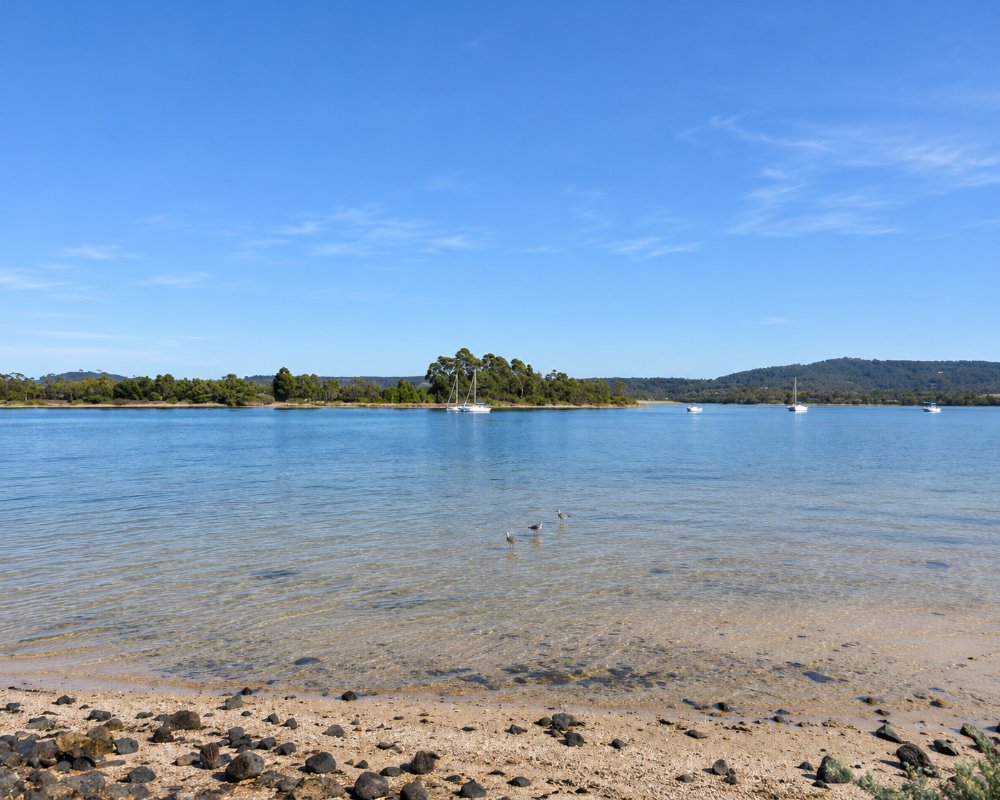
The beach lies at the end of a short side road off the highway to South Arm. A cluster of houses sits behind the dunes at its western end, where the surf club and the main car park are found. Cape Deslacs forms the eastern headland, and the tidal Pipe Clay Lagoon lies just inland, with the shack village of Cremorne on its far side.
There are no shops and no accommodation to speak of, only the beach, the dunes and the sea, which is exactly why people come.
Things To Do in Clifton Beach
Surfing
Clifton picks up most of the swell that enters Storm Bay and has waves on the majority of days, breaking over shifting sandbanks along the length of the beach. Conditions suit everyone from beginners in the white water to experienced riders on bigger days. Surf schools run lessons here through the warmer months, with boards and wetsuits supplied. The water is cold all year, and a full wetsuit is needed even in summer.
Swimming and the Surf Club
Clifton Beach Surf Life Saving Club, founded in 1963, patrols a flagged area on weekends and public holidays from about December to March. Outside those times the beach is unpatrolled, and rips are common, so swimmers should be cautious. The club hosts surf carnivals and nippers training for children, and the beach is a lively place on a warm weekend.
Cape Deslacs Walk
From the eastern end of the beach, a track climbs onto Cape Deslacs, a nature reserve of coastal heath on top of high cliffs. A walk of about an hour return leads to a lookout with views across Frederick Henry Bay to the Tasman Peninsula. The headland is honeycombed with the burrows of short-tailed shearwaters, known as muttonbirds, which arrive from the northern hemisphere in late September and leave in April. At dusk in summer, thousands return from the sea to their nests. Keep to the track to avoid collapsing burrows.
Pipe Clay Lagoon and Cremorne
The shallow lagoon behind the beach is used for oyster farming and is a favourite spot for kite surfing, windsurfing and paddling on windy days. Cremorne, on its eastern shore, has a quiet, sheltered beach on Frederick Henry Bay that suits families when the surf at Clifton is too rough.
Beach Walks and Fishing
The full length of the beach makes a fine walk, with the western headland offering rock pools at low tide. Anglers fish the surf for Australian salmon and flathead, especially at dawn and dusk.
Where To Stay
Clifton Beach has almost no visitor accommodation.
A small number of holiday houses can be rented in the settlement and at neighbouring Cremorne, some with direct access to the sand. They are popular with surfing families and book out in summer.
The nearest motels and hotels are at Lauderdale and on the eastern shore of Hobart, 15 to 20 minutes away, and there are caravan parks at Seven Mile Beach and Cambridge.
Most people visit for the day from the city.
Two small private campsites on rural blocks close to the beach suit campers and campervans. Clifton Beach Getaway is a grassy 5-acre block about a 10-minute walk from the sand, with a gravel drive suitable for 2WD vehicles and plenty of room to spread out. Clifton Beach Coastal Escape is a private site on a 3-acre block among native trees, five minutes’ walk from the beach, with a small powered camp shelter, a sink, hot water, a bar fridge and an outdoor shower for rinsing off after a surf.
For a room, the Foreshore Hotel on South Arm Road at Lauderdale, about 9 km north, has 16 ground-floor rooms with courtyards and a bistro on site, and The Salt House at Lauderdale is a two-bedroom waterfront guest house above Mays Beach with a private sauna.
Caravans and larger motorhomes are best based at BIG4 Hobart Airport Tourist Park at Cambridge, about 22 km away, which has powered and ensuite sites, cabins and a dump point. The beach has public toilets and a cold outdoor shower near the surf club, and Lauderdale, about 10 minutes’ drive, has groceries, a bottle shop and fuel.
Eat & Drink
There are no cafes or shops at the beach, so bring food and water. The surf club runs a canteen on some summer weekends and event days.
Lauderdale, ten minutes back towards Hobart, has a bakery, cafes, fish and chips, a tavern and a supermarket. Oysters from the lagoon can sometimes be bought from growers in the area.
There is no food at the beach apart from the surf club’s canteen on some summer weekends and carnival days. The nearest meals are at the Foreshore Hotel at Lauderdale, about 9 km north, whose family bistro serves pub classics for lunch and dinner every day. The South Arm store, about 12 km further down the peninsula, has takeaway and coffee. Barilla Bay oyster farm, beside the airport about 22 km away, has a restaurant and a shop open seven days.
History
The coast here is the country of the mumirimina people. The French explorer Nicolas Baudin charted the bay in 1802 and named the cape after a member of his crew. The land behind the beach was farmed from the 1820s, and the beach took its name from a local property.
Surf bathing became popular in the early twentieth century, and the surf life saving club was founded in the 1960s as board riding took off in Tasmania. The settlement has stayed small, protected by the reserve on the cape and the lagoon behind.
Getting to Clifton Beach
By car, cross the Tasman Bridge from Hobart, follow the South Arm Highway through Lauderdale and take the signed turn to Clifton Beach. The drive takes about 30 minutes.
There is no regular public transport to the beach. Parking at the surf club is free but fills on hot summer days.
Experiences
- Active
- Nature based
- Relaxation
- Self-Drive
Popular Activities
- Beach
- Bird Watching
- Bush Walking
- Fishing
- Surfing
- Swimming
About Clifton Beach
- Locality: Urban locality
- Clifton Beach Postcode: 7020
- State: Tasmania
- Region: Hobart and South
- Latitude: -42.98954
- Longitude: 147.52152
- Elevation: 15m
- Timezone: Australia/Hobart
