
St Andrews, VIC
St Andrews is a tiny township in the forested foothills of the Kinglake Ranges, about forty-five kilometres north-east of the centre of Melbourne. For six days of the week it is a sleepy place with a pub, a bakery, a general store and a hall. On Saturdays it is transformed. For more than fifty years the St Andrews Market has drawn crowds from all over the city to a clearing under the gum trees, where growers, makers, musicians and healers set up their stalls in one of the most distinctive markets in Australia.
Known For
- The St Andrews Market, held every Saturday under the gum trees
- A gold rush history and a famous old bush pub
- Forest drives, wineries and Kinglake National Park
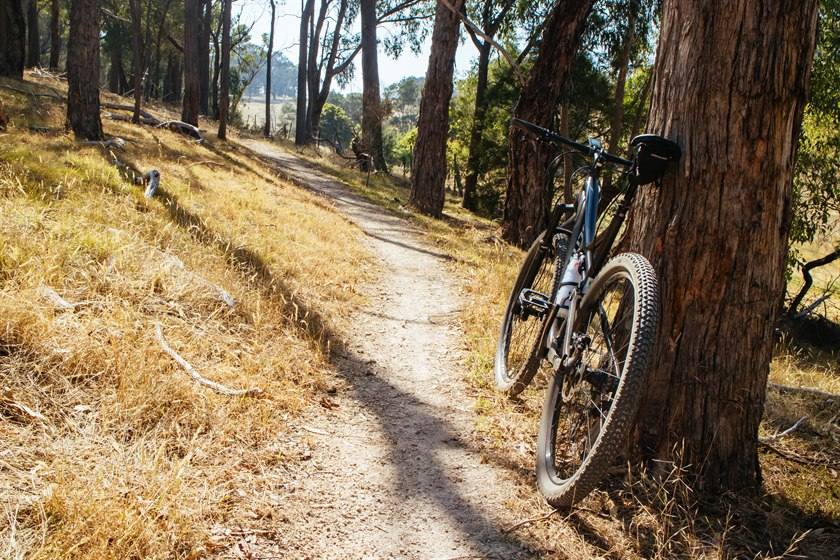
The village sits in a valley among steep, timbered hills, on a winding road that climbs from the Yarra Valley towards the ranges. It has long been a refuge for artists, musicians and people looking for an alternative way of life, and that spirit is very much alive in the market and in the community around it.
St Andrews is a favourite Saturday drive from Melbourne, often combined with Eltham, Warrandyte or the wineries around Yarra Glen.
History and Heritage
St Andrews lies on the Country of the Wurundjeri Woi-wurrung people of the Kulin Nation. The valleys of the Diamond Creek and its tributaries were travelling routes between the Yarra and the ranges, and the market site is acknowledged as a traditional gathering place.
The Caledonia Diggings
Gold was found in the creeks here in the early 1850s, and thousands of diggers rushed to what became known as the Caledonia Diggings, after the many Scots among them. A township called Queenstown sprang up, with stores, hotels, a court and a police camp, and for a few years it was one of the busiest places in the district. When the alluvial gold ran out, most of the miners moved on.
A Bush Village
The settlement that remained took the name St Andrews, again a nod to its Scottish founders. Its people made a living from small-scale mining, timber cutting, orchards and grazing. The hotel, established in 1856, became the meeting place for a scattered community, and the weatherboard hall, church and school that followed are still in use.
Artists in the Hills
From the 1950s the cheap land and bush setting of the district attracted painters, potters and writers. An artists’ colony founded by the painter Clifton Pugh at nearby Cottles Bridge was especially influential, and many of those who came built their own houses from mudbrick and salvaged timber. In the early 1970s a group of locals started a small Saturday market as a place to barter and sell home-grown produce and handmade goods. It grew far beyond anything they imagined.
Black Saturday
On 7 February 2009, the worst bushfires in Australian history burned through the ranges north of Melbourne. The hills around St Andrews were among the areas hit, and lives and many homes were lost. The community rebuilt, with a new community centre at its heart, and memorials in the district honour those who died.
Attractions in St Andrews
Come on a Saturday if you can.
St Andrews Market
The market runs every Saturday from 9 am until 2 pm, except on days of total fire ban, on a sloping site shaded by tall eucalypts on the edge of the village. Around a hundred and fifty stalls sell organic fruit and vegetables, plants, bread, cheese, honey, handmade clothing, jewellery, pottery, leatherwork, candles, crystals and second-hand books. Buskers play, there are massage and tarot tents, and a much-loved chai tent serves spiced tea to customers lounging on cushions. The atmosphere is relaxed, friendly and proudly unconventional. It is busiest in the late morning, and parking nearby fills early.
The Village
The few buildings of the township are clustered along the main road. The historic hotel, the old hall, a tiny timber church and the general store give a good idea of what a Victorian bush settlement looked like.
Gold Country
Traces of the gold rush survive in the gullies around the village, including old shafts, water races and mullock heaps, and the old Queenstown cemetery holds the graves of many pioneers. Walking tracks at nearby Smiths Gully pass through former diggings.
Kinglake National Park
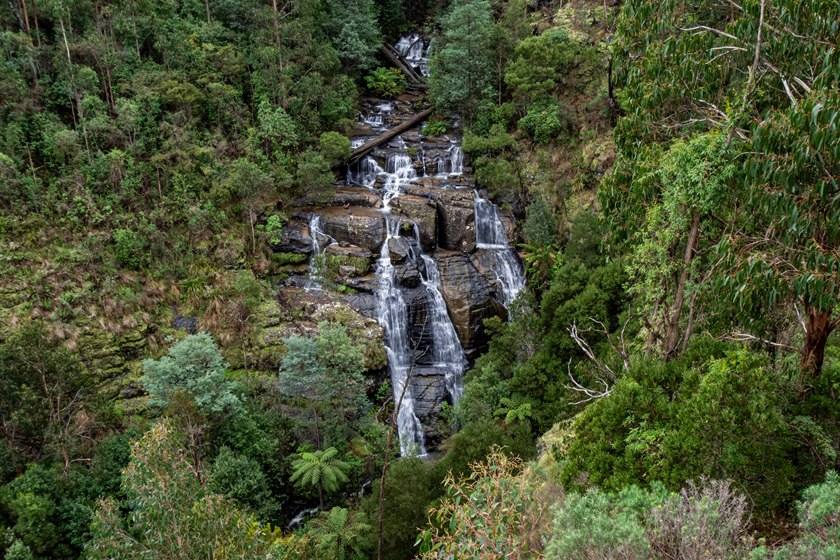
The southern sections of the national park begin a few kilometres north of the village. Walking tracks lead through tall forest and fern gullies to lookouts with views across the Yarra Valley to the city, and lyrebirds, wallabies and wombats are often seen. The forest has recovered strongly since the 2009 fires.
Scenic Drives and Wineries
The roads around St Andrews are some of the prettiest near Melbourne, winding through bush, farmland and vineyards. Several small wineries in the district open their cellar doors at weekends, and the road north climbs steeply to Kinglake on top of the range.
Where To Stay
There is no hotel accommodation in the village itself, but the surrounding hills have a number of bed and breakfasts, cottages and retreats, many in bush settings.
They are popular for quiet weekends and should be booked ahead.
The Yarra Valley, twenty minutes to the east, has a much wider range of places to stay.
The nearest named stays are in the bush around Cottles Bridge, about 5 km west: Kurrajong Bungalow is a self-contained hand-built retreat of recycled materials with a wood-burning fire and three acres of garden on a 20-acre bush block, suited to couples and solo travellers, and Moss and Wheels is a converted bus set in bushland. Sheringa Farm near Hurstbridge, about 10 km south-west, is a three-bedroom cottage on 20 acres that sleeps eight, with a fireplace, a tennis court and a pizza oven. Shaws Road Winery at Arthurs Creek, about 15 km west, has two upstairs one-bedroom apartments in its farmhouse with king beds, clawfoot baths and a breakfast hamper, opposite its cellar door restaurant.
For a hotel room, the Eltham Gateway at 1339 Main Road, Eltham, about 20 km south-west, has 38 suites, a bar and free parking. There is no caravan park or camping area near the village. The closest caravan parks are at Lilydale and Healesville, about 35 to 40 km south-east via Yarra Glen, and big rigs should avoid the steep, winding climb north to Kinglake. On market Saturdays, street parking near the market fills early.
Eat & Drink
The market itself is a fine place to eat, with stalls selling wood-fired pizza, curries, dumplings, crepes, fresh juices and cakes.
The St Andrews Hotel, known as the pub in the scrub, has been serving drinkers since the gold rush days and has a large beer garden, hearty meals and live music at weekends. A few doors along Burns Street, A Boy Named Sue, a mudbrick cafe and pizzeria, is well known for its wood-fired pizzas, and the village bakery sells sourdough bread and pastries baked in a wood oven.
Venues change, so check before making a special trip.
The St Andrews Hotel at 79 Burns Street has open fires, a bistro with a local-produce menu, regular live bands, often on Saturday nights and Sunday afternoons, trivia nights, and a following among motorbike and hot-rod owners who ride up on weekends. Next door, A Local Baker at 83 Burns Street bakes organic sourdough, cakes and savouries in a wood-fired oven, with plenty for vegans, and welcomes dogs and prams. A few doors along at number 87, A Boy Named Sue is a mudbrick cafe and pizzeria with a recycled-timber fit-out, known for its wood-fired pizzas, burgers and coffee.
All three face the market, which adds coffee, chai and a spread of food stalls on Saturdays, many with vegan and gluten-free choices. The Panton Hill Hotel, about 7 km south, is a renovated country pub with an outdoor bar and a back deck with views, and Dark Horse Cafe Wine and Produce at Watsons Creek, about 12 km south-east, is a licensed garden cafe for breakfast, lunch or afternoon tea. There is no supermarket; the nearest are in Hurstbridge and Eltham, and the Kangaroo Ground General Store, about 13 km south, sells fuel.
Getting to St Andrews
St Andrews is best reached by car. From the city, drive via Eltham and Kangaroo Ground, or via Hurstbridge, a trip of about an hour. The roads are narrow and winding, so allow plenty of time.
On Saturdays, a bus runs to the market from Hurstbridge Station, which is the terminus of a suburban train line from the city.
In summer, check the fire danger rating before travelling, as the area can be closed to visitors on days of extreme risk.
Experiences
- Cultural
- Nature based
- Rural/Country
- Self-Drive
Popular Activities
- Bush Walking
- Driving
- Food and Wine
- Gold prospecting
- National Park
- Shopping
