
Richmond, VIC
Richmond lies immediately east of the city, on the far side of the parkland that holds the Melbourne Cricket Ground and the tennis centre. It is one of the oldest and most densely built parts of Melbourne, a suburb of narrow streets, workers’ cottages, corner pubs and red-brick factories that has gone from industrial heartland to one of the most popular places in the city to eat, drink and live.
Known For
- Victoria Street, the centre of Vietnamese food in Melbourne
- Swan Street’s pubs, bars and live music
- Old factories, neon signs and the Tigers football club
Richmond is really several neighbourhoods in one. Three long shopping streets cross it from west to east, each with a character of its own. Victoria Street, on the northern boundary, is known as Little Saigon. Bridge Road, in the middle, climbs Richmond Hill past the town hall. Swan Street, to the south, is the place for pubs, bands and a drink before or after the football.
With five railway stations, half a dozen tram lines and the sports precinct on its doorstep, Richmond is also one of the best connected suburbs in Melbourne, and many visitors pass through it without realising how much there is to see.
History and Heritage
Richmond lies on the Country of the Wurundjeri Woi-wurrung people of the Kulin Nation, between the Yarra River and the high ground of what became Richmond Hill.
Hill and Flat
Land was sold here in 1839, and the suburb is said to take its name from Richmond Hill near London, which the view over the river recalled. From the beginning there were two Richmonds. Wealthy families built villas on the hill, where St Ignatius’ Church, begun in 1867 and given its spire in 1928, is a landmark. Everyone else lived on the flat below, in small timber and brick cottages packed along lanes that often flooded.
Struggletown
By the late nineteenth century the flat had filled with industry. Tanneries and wool scourers worked along the river, and the streets behind held boot factories, breweries, clothing mills, a huge match factory, and makers of jam, sauces, pianos and eucalyptus oil. Richmond was solidly working class, largely Irish Catholic, fiercely loyal to the Labor Party and the local football club, and poor. Its nickname, Struggletown, was worn with pride.
New Communities
After the Second World War, Greek migrants moved in and made Swan Street the centre of Greek life in the city. From the late 1970s, refugees from Vietnam settled in the public housing towers at the northern end of the suburb and opened shops and restaurants along Victoria Street. Within a decade it had become the best known Vietnamese precinct in Australia.
From Factories to Lofts
Manufacturing collapsed in the 1970s and 1980s, and warehouses were converted to apartments, offices and showrooms. Richmond’s southern corner, Cremorne, is now a centre for technology companies. Several of the big neon advertising signs that once crowned the factories have been preserved, among them the Pelaco shirt sign on the hill and the Nylex clock above the old malt silos, celebrated in a Paul Kelly song.
Attractions in Richmond
Richmond is a place to explore by appetite, with history along the way.
Victoria Street
For about a kilometre east of Hoddle Street, Victoria Street is lined with Vietnamese restaurants, bakeries, butchers, fishmongers, herbalists and grocers spilling onto the footpath. It is noisy, crowded and wonderful, and prices are low. Each summer the street closes for a Lunar New Year festival with lion dances, firecrackers and food stalls.
Swan Street
The southern strip begins beside Richmond Station and runs east past pubs, bars, restaurants and fashion stores. The Corner Hotel, by the railway bridge, is one of the most important live music venues in Australia and has hosted almost every Australian band of note, along with many international acts. Further along, the clock tower of the former Dimmeys department store is a local landmark.
Bridge Road
Once famous for its factory outlet shops, Bridge Road has reinvented itself with cafes, homewares stores and bars. The Richmond Town Hall, remodelled in the 1930s in an imposing Art Deco style, stands near the top of the hill, and the side streets hold some of the grandest houses in the suburb.
Gleadell Street Market
Every Saturday morning since the 1870s, a street market has been held beside the town hall. It is a simple, friendly affair selling fruit, vegetables, flowers, bread and fish, and it is where locals do their weekly shopping.
Punt Road Oval and the Sports Precinct
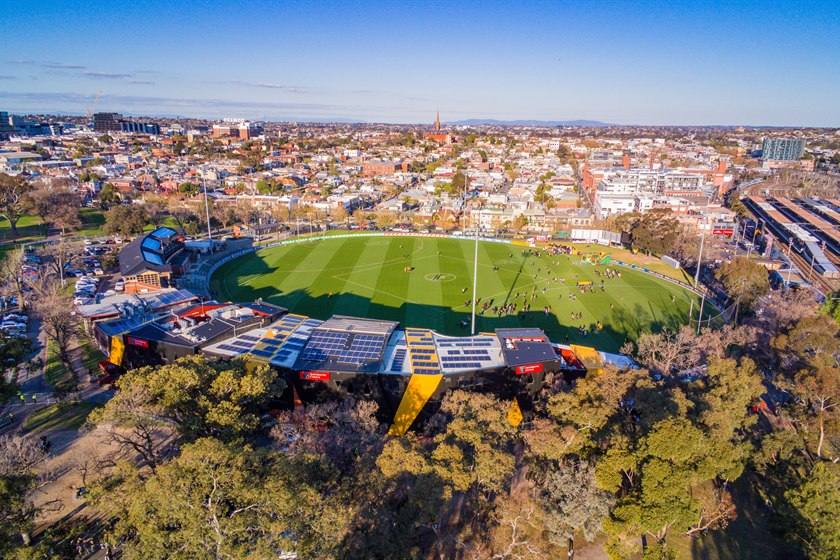
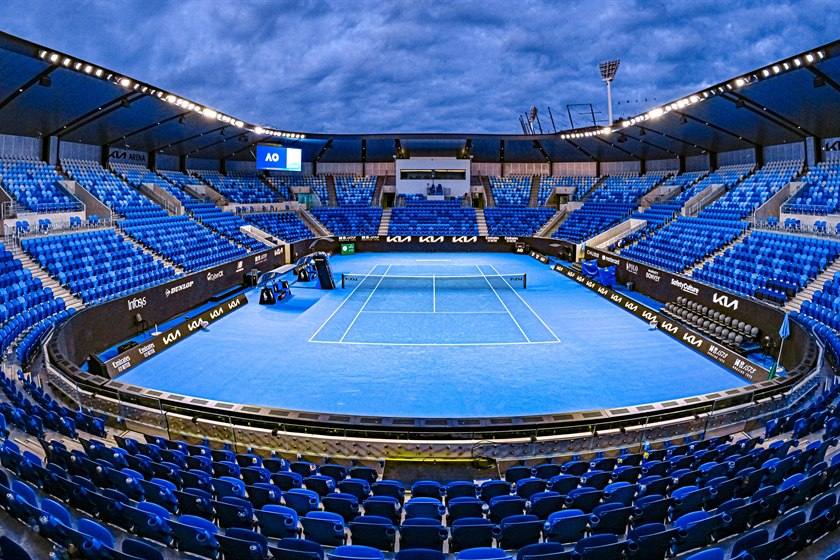
The Richmond Football Club, the Tigers, has trained at Punt Road Oval since the 1880s, and its supporters are among the most passionate in the game. The MCG is a short walk across Yarra Park, and the tennis centre at Melbourne Park and the rectangular stadium beside it are just to the south, which makes Richmond the natural place to gather on match days.
Church Street and the River
Church Street is the centre of the furniture and interior design trade in Melbourne, with showrooms running most of its length. At its southern end, the Main Yarra Trail follows the river in both directions, a pleasant route for walkers and cyclists.
Where To Stay
Richmond is a practical alternative to the city centre, especially for sports fans.
The Amora Herencia Riverwalk sits beside the Yarra at the eastern end of Bridge Road and has rooms overlooking the water. There are several modern apartment hotels along Swan Street, Bridge Road and near the stations, with kitchens and parking.
Accommodation near the stadiums books out early for the football finals, the Boxing Day Test and the Australian Open. East Melbourne, next door, has a few more upmarket choices.
The Amora Herencia Riverwalk, at 649 Bridge Road, was redesigned and relaunched in 2026, and has an events pavilion that hosts weddings and conferences. Its riverside setting puts the Main Yarra Trail at the door, and the Hawthorn Bridge and its trams are a few steps away.
Across the river in South Yarra, about 3 km south of Swan Street, Punthill South Yarra has self-contained apartments with kitchens close to South Yarra Station, and The Como, on Chapel Street, is a long-established hotel with a pool, both a short train or tram ride from Richmond’s stations. These are handy fallbacks when Richmond itself is booked out for a big match or the tennis.
Parking is tight in Richmond, so check what your hotel offers before arriving by car. There is no caravan park in the inner suburbs. The nearest is BIG4 Melbourne Holiday Park in Elizabeth Street, Coburg, about 10 km north, with powered sites and cabins and a tram into the city.
Eat & Drink
Richmond offers some of the best value eating in the city, and some of the most exclusive.
On Victoria Street, the thing to order is pho, the beef noodle soup that is the national dish of Vietnam, and several restaurants specialise in little else. Bakeries sell crisp banh mi rolls for a few dollars.
At the other extreme, Minamishima, in a quiet back street, is regarded as one of the finest Japanese restaurants in Australia and is booked out months ahead. Richmond Oysters, on Church Street, has been selling and serving seafood since the 1950s.
Swan Street has the widest choice of bars and casual restaurants, from Greek tavernas that recall the street’s past to Mexican, Thai and modern Australian. The Corner Hotel has a rooftop bar, and classic pubs are found on almost every block. Venues change often, so check before making a special trip.
On Victoria Street, I Love Pho, at 264, is a long-running family pho shop known for its clear, fragrant beef broth. Pho Chu The, a few doors along at 270, has been serving pho with rare beef, brisket and tendon since 1989. Further west, Pho Nho, at 90 Victoria Street, specialises in chicken pho, served in a hot stone bowl in winter.
Minamishima, at 4 Lord Street, serves Edomae-style sushi as an omakase, at the counter for pairs and in the dining room for larger groups, and holds three hats in the 2026 Good Food Guide. Bookings are essential.
Swan Street has the Richmond Club Hotel at 100 Swan Street, a pub that has traded for more than 140 years, with a public bar, beer garden, dining room and rooftop with city views. Spaghetti Club, at 95 Swan Street, is an Italian trattoria that opened in 2026, with an aperitivo hour on weekend afternoons.
On Church Street, Pillar of Salt, at 541, is a popular breakfast and lunch cafe, and Richmond Oysters, at 437, also sells fresh fish and oysters to take home.
There are supermarkets along all three main streets.
Getting to Richmond
Richmond Station, one stop from Flinders Street, is served by most train lines that run to the eastern and south-eastern suburbs, though not the Pakenham and Cranbourne lines, which now use the Metro Tunnel. East Richmond and Burnley stations serve Swan Street, and North Richmond and West Richmond are close to Victoria Street.
Trams from the city run along all three main streets: along Victoria Street from Collins Street, along Bridge Road from Flinders Street, and along Swan Street from Flinders Street past the tennis centre. A cross-town tram runs along Church Street. Richmond is outside the Free Tram Zone.
From the city centre, it is a thirty minute walk through the gardens and past the MCG. Parking is restricted and hard to find, particularly on match days.
Experiences
- City
- Cultural
- Food and Wine
- Historic/Heritage
Popular Activities
- City Sightseeing
- Cycling
- Food and Wine
- Nightlife
- Shopping
About Richmond
Accommodation In Richmond
Discover some of the accommodation in and around Richmond
