
Harrow, VIC
Harrow is a historic village of about a hundred people in the red gum country of the upper Glenelg River, about 363 km west of Melbourne. It is one of the oldest inland towns in Victoria, with a pub built in 1848, a log lock-up of 1859 and a story that links it to one of the most remarkable chapters in Australian sport.
Johnny Mullagh, the star of the 1868 Aboriginal cricket team that toured England, lived and played here, and the village celebrates him with an interpretive centre, a memorial park and an annual cricket match.
Known For
- Johnny Mullagh and the 1868 Aboriginal cricket team
- The Hermitage Hotel, built in 1848
- A riverside caravan park on the Glenelg
Things To Do in Harrow
Harrow Discovery Centre and Johnny Mullagh Interpretive Centre
On Blair Street, the Harrow Discovery Centre and Johnny Mullagh Interpretive Centre tells the story of Mullagh and the 1868 team, the first Australian sporting team to tour overseas, and also holds a large private collection of Don Bradman memorabilia. It opens daily from late morning to mid-afternoon.
The Hermitage Hotel
The Hermitage Hotel on Blair Street was built in 1848 and licensed in 1853, and still serves as the village pub. A sound and light show about the town’s history has been staged there since the 1990s; check whether it is running.
Log Lock-up and Heritage
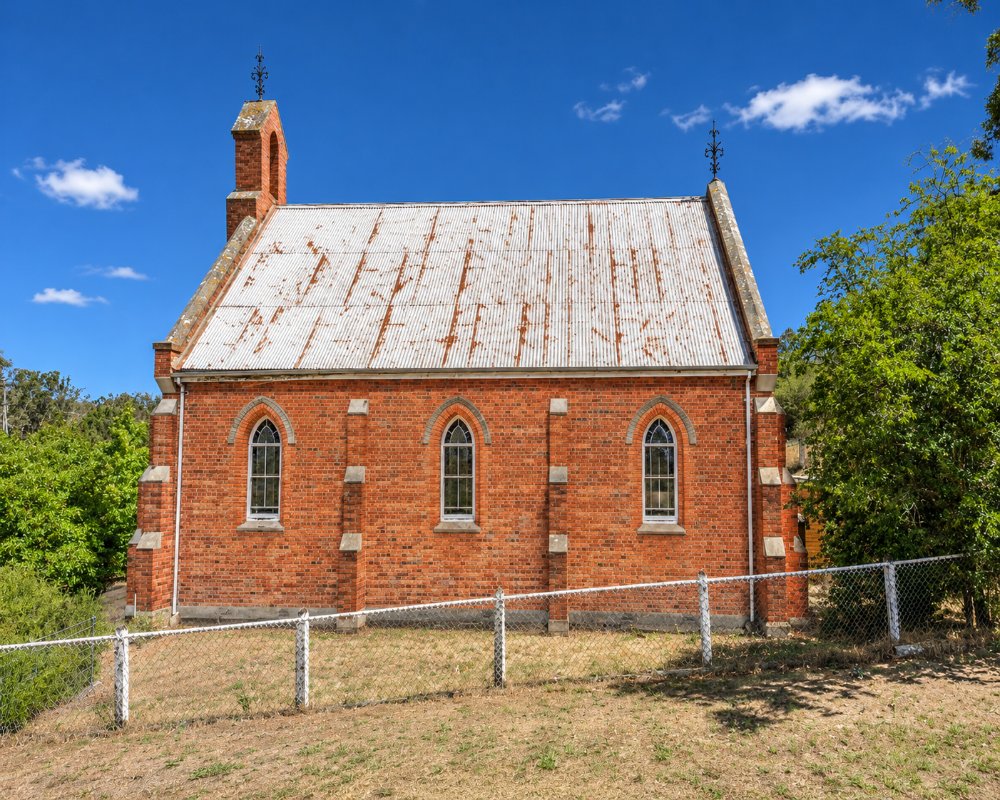
The log lock-up of 1859 stands in Gardner Park, and the handmade brick church of 1869, now Uniting, is another link with the past. The old Horse Hole on the river, where police horses were watered, is reached by a 1.5 km walk from Johnny Mullagh Memorial Park at the southern end of Blair Street.
The Mullagh Cup
The Johnny Mullagh Cup, a cricket match played since 1995, keeps the memory of the great all-rounder alive. Mullagh died in 1891 at Pine Hills station, near Harrow, and is buried in the Harrow Cemetery.
Glenelg River Walk
A signed walk along the Glenelg River from the caravan park passes scar trees and ring trees and explains how Aboriginal language groups lived and hunted along the river; dugout canoe trees lie further afield. The river holds redfin, tupong and blackfish, and endangered growling grass frogs live along the banks. The swimming hole at the old ford is popular in summer, but keep a close eye on children and do not fish near swimmers.
Labour Day Weekend in Harrow
The Johnny Mullagh Championship Cup is played on the Sunday of the March Labour Day long weekend at the Johnny Mullagh Oval on Blair Street. The weekend also brings the Harrow Bush Billycart race down the hill, a “classic catch” contest in which players leap off the river bank, and a rubber duck race on the Glenelg that raises money for the bush nursing centre.
Ron Penrose Portraits
Portrait artist Ron Penrose has turned Harrow’s old bakehouse into a gallery and studio, one of several small galleries and collections in the village.
Where To Stay
Johnny Mullagh Caravan Park, on Blair Street beside the Glenelg River, has powered and unpowered sites, cabins and a camp kitchen, and is pet-friendly. It is a peaceful overnight stop for caravans.
Harrow has limited services, though the Harrow Garage sells fuel and the Harrow Post and Kolmar House sell groceries; Hamilton, Edenhope and Casterton have more. The roads into Harrow are sealed and suit caravans, though some back roads in the district are gravel.
Johnny Mullagh Reserve has 28 powered sites and plenty of unpowered space under red gums, with an amenities block with showers and a coin laundry, a free covered electric barbecue with power points and a playground, and it looks over the Johnny Mullagh Oval. Bookings go through the park manager, and a self-contained cabin with linen is also available. The Hermitage Hotel has rooms in its restored shearers’ quarters, with polished floorboards, period furniture and a help-yourself continental breakfast.
Kolmar House, the old grocery building on Blair Street, offers a two-bedroom, two-bathroom stay, and Mooree Cottage sleeps six in three queen bedrooms. Glendara Cottage is on a farm about 12 km south-west and also sleeps six. The Conne Community Centre, the former Connewirricoo School about 15 minutes from Harrow, offers low-cost group accommodation with room for caravans, pets and even horses. Edenhope, about 30 km north-west, and Casterton to the south are the nearest towns with more services.
Eat & Drink
The Hermitage Hotel serves counter meals in its historic bar and dining room. The Harrow Post on Blair Street is also a cafe and takeaway, and Edenhope, about 30 minutes north-west, has more choice.
The Hermitage Hotel opens from Wednesday to Sunday, with counter meals on Thursday, Friday and Saturday nights, weekend lunches and a pizza night on Sundays; diners can choose the upstairs dining room or the saloon, and the bar stocks craft beer and wine. The Harrow Post on Blair Street is the village all-rounder: post office, newsagency and grocery, with a cafe and takeaway serving coffee, breakfast, sandwiches, burgers and fish and chips. Kolmar House, known locally as the bottom shop, is a licensed grocery in an 1881 building, with fresh produce, hardware, pet and stock feed and a good range of chilled wine and beer.
Calico Candles sells crafts, plants and fresh produce. For more choice, Edenhope is about 30 minutes north-west and Casterton about 45 minutes south. The Harrow Garage on Blair Street sells fuel, and Kolmar House and the Harrow Post cover basic groceries.
History
This is the Country of the Jardwadjali and Wotjobaluk peoples. Johnny Mullagh, whose name was Unaarrimin, was a Jardwadjali man who worked on Pine Hills station and became the leading player of the 1868 Aboriginal cricket team, scoring more than 1,600 runs and taking 245 wickets on the English tour. The Hermitage Hotel was built in 1848 and the lock-up in 1859, when Harrow was an important stop on the road to South Australia.
Getting to Harrow
Harrow is about 363 km west of Melbourne via Ballarat and Hamilton, or via Horsham and Edenhope. Edenhope is about 30 km north-west and Hamilton about 80 km south-east. There is no regular public transport.
Experiences
- Cultural
- Historic/Heritage
- Rural/Country
- Self-Drive
Popular Activities
- Bush Walking
- Caravan and Camping
- Driving
- Fishing
- Sightseeing
- Swimming
