
Lake Mungo, NSW
Lake Mungo is a dry lake bed in the far south-west of New South Wales, about 110 km north-east of Mildura and more than 1,000 km from Sydney. It is the centrepiece of Mungo National Park and the Willandra Lakes World Heritage Area. Here, the remains of people who lived more than 40,000 years ago were found, among the oldest evidence of modern humans outside Africa and of the world’s earliest known ritual burials.
Known For
- Mungo Man and Mungo Lady
- The Walls of China
- One of the oldest sites of human occupation in Australia
The lake dried up about 18,000 years ago. Along its eastern shore, wind built a crescent-shaped dune of sand and clay, called a lunette, about 30 km long. Erosion has since carved it into a pale, fluted landscape known as the Walls of China, exposing ancient fireplaces, tools, animal bones and burials.
Things To Do
Visitor Centre and Meeting Place
Start at the visitor centre, which explains the geology, the archaeology and the culture of the three traditional owner groups. Outside is a replica of a trackway of human footprints about 20,000 years old, found elsewhere in the park.
Walls of China
A boardwalk and viewing platform at the foot of the lunette are open to everyone. To walk on the formations themselves you must join a tour led by an Aboriginal ranger or licensed guide. Sunset tours, when the dunes turn pink and orange, are the most memorable.
Mungo Woolshed
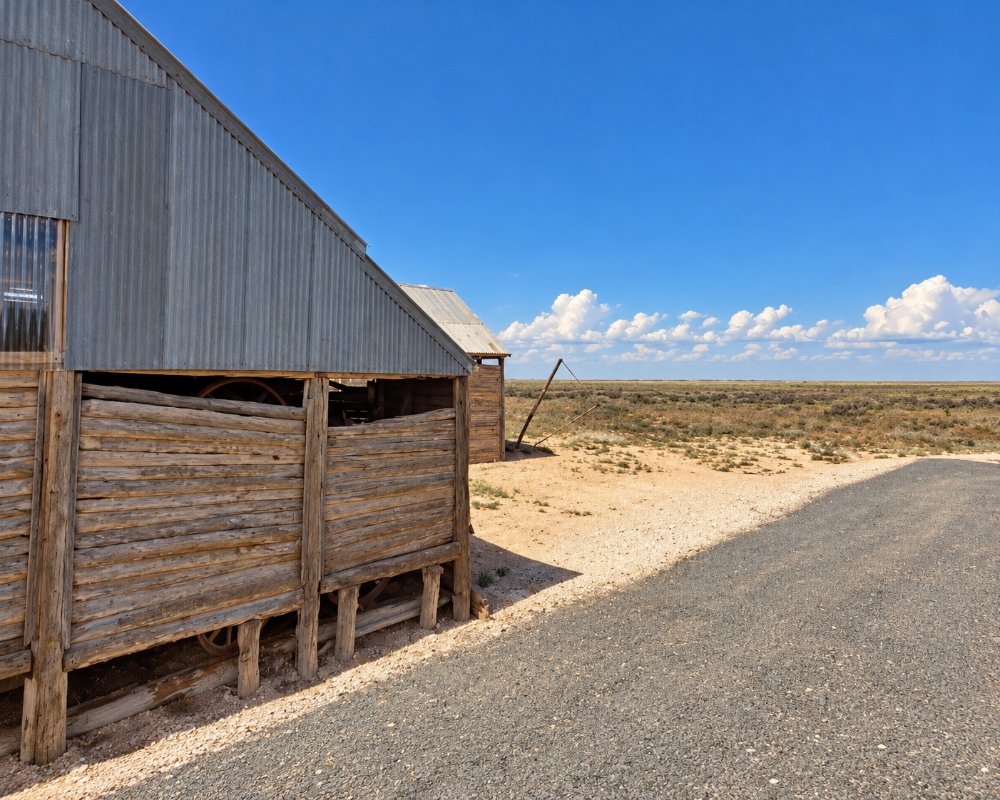
Beside the visitor centre stands a large woolshed built in 1869 of drop-log cypress pine, a relic of the days when this was part of Gol Gol sheep station.
Mungo Track
A 70 km self-guided loop drive crosses the lake bed, climbs over the lunette and passes lookouts, old tanks, mallee country and Vigars Well, a soak once used by Cobb and Co coaches. Allow most of a day.
Walks
Short walks from the main campground explore the lake shore, grasslands and pastoral relics.
History
Mungo is the shared country of the Paakantji, Ngiyampaa and Mutthi Mutthi peoples, who jointly manage the park.
In 1968 the geologist Jim Bowler found the cremated remains of a young woman, later known as Mungo Lady. In 1974 he found the burial of a man who had been laid out and covered with red ochre. Both are now dated to about 42,000 years ago. The remains were taken away for study, and their return became a long campaign. Mungo Lady came home in 1992 and Mungo Man in 2017. The area was listed as World Heritage in 1981.
Where To Stay
Inside the park, NSW National Parks runs everything, booked online: the Main campground near the entrance, Belah campground on the Mungo Track and bunk rooms in the old shearers’ quarters near the visitor centre. There is no power, dump point or shop in the park. Mungo Lodge, just outside the park on Arumpo Road, has king deluxe cabins, self-contained units with kitchenettes, budget cabins with a shared kitchen, glamping tents and campsites, and runs guided tours.
Otherwise, the nearest towns with accommodation are Mildura and Buronga, about 110 km south-west, with many caravan parks, motels and the closest dump points and fuel, Balranald, about 150 km south, with a caravan park and motels on the Sturt Highway, and Pooncarie, a small river town to the west with camping. Allow for at least part of the trip in on gravel from every direction.
Caravans and Camping
The Main campground, near the park entrance, has 33 unpowered sites with room for caravans, toilets and barbecues, and hot showers at the visitor centre close by; bring all your water. Belah campground, half-way round the loop drive, has 12 sites for tents and for camping beside your vehicle, but not caravans. From Mildura, the first part of Arumpo Road has recently been sealed and the rest is gravel, which caravans manage in dry weather. There is no fuel, dump point or shop at Mungo, and the nearest fuel is about 110 km away. A vehicle entry fee applies.
Eat & Drink
There is nowhere to buy food in the park itself. The one place to eat is the Mungo Bar and Bistro at Mungo Lodge, just outside the park on Arumpo Road, open seven days for breakfast, lunch and dinner; tell the lodge before you arrive if you need vegetarian, vegan or gluten-free meals. The lodge also has a bar and a fire pit. Otherwise bring everything: all your food, drinking and cooking water, firewood if you plan a fire, and enough fuel for at least 300 km, as there is no fuel at Mungo or at the lodge. Mildura is the best place to stock up, with supermarkets, bakeries and cafes, and Buronga, just across the Murray, is the last fuel on the Arumpo Road approach. Balranald has a supermarket, a bakery and fuel for those coming from the south.
The bistro cooks hearty food with local produce where it can, and its open terrace sits beside the fire pit. Coming up from Wentworth, the Pooncarie Telegraph Hotel, about 90 km from Mungo, has served travellers since 1879 and cooks meals seven days in its dining room and beer garden; it sells its own Red Gum Honey Gin, made with honey from a nearby station, and fuel is sold in the village.
Getting There
All roads to Mungo are unsealed for the last 60 to 150 km, from Mildura, Balranald, Pooncarie or Ivanhoe. They are usually fine for ordinary cars when dry and are closed after rain. Check the road report before leaving. Day tours run from Mildura.
Experiences
- Cultural
- Historic/Heritage
- Nature based
- Remote
Popular Activities
- Bush Walking
- Caravan and Camping
- National Park
- Off Road Driving
- Outback
- Sightseeing
- World Heritage
About Lake Mungo
- Locality: National park
- Lake Mungo Postcode: 2715
- State: New South Wales
- Region: Outback NSW
- Latitude: -33.73000
- Longitude: 143.05000
- Timezone: Australia/Sydney
