
Avoca, TAS
Avoca, located in Tasmania’s Fingal Valley, is a small town steeped in history and surrounded by natural beauty. Just over an hour’s drive (81 km) from Launceston and around two hours from Hobart, this tranquil destination offers a slower pace of life, making it an ideal stop for travelers exploring Tasmania’s eastern region. Its charm lies in its historical roots, well-preserved buildings, and its picturesque setting near the South Esk River.
Known For
- Historic architecture and landmarks
- The Avoca Water Tower Mural
- Proximity to Tasmania’s scenic Fingal Valley
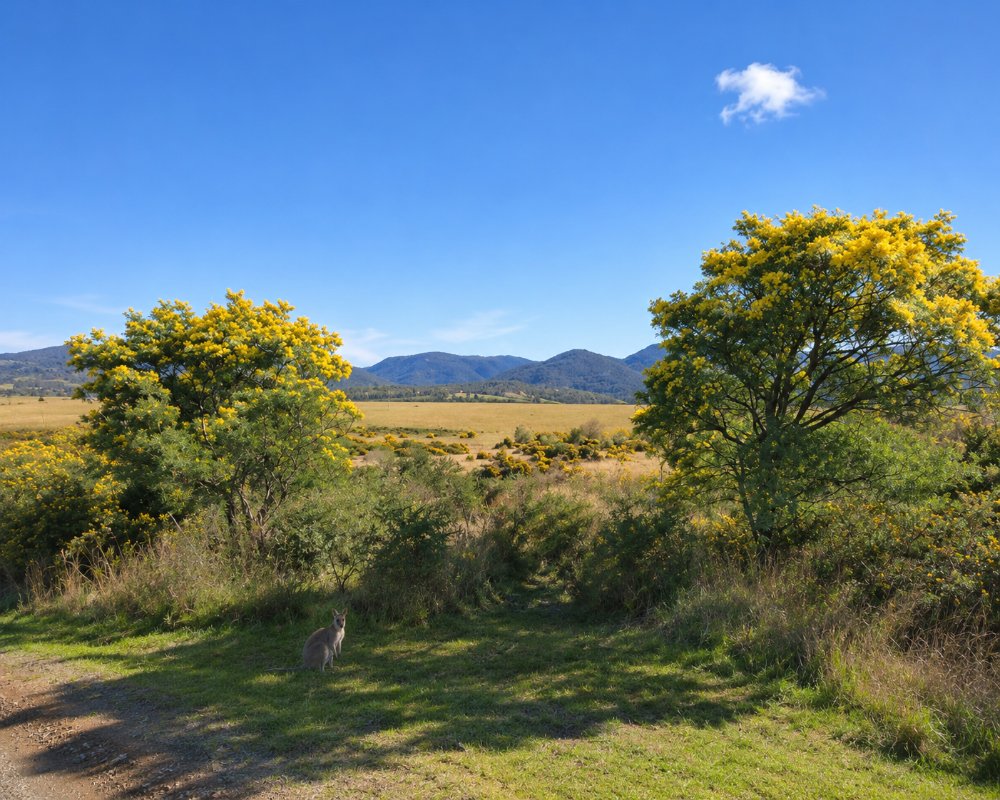
Avoca’s history is deeply rooted in Tasmania’s early colonial period, reflecting a time when agriculture and mining shaped the state’s small towns. Initially, the area was inhabited by the Tyerrernotepanner people, part of the larger Palawa Aboriginal community. The region, rich with natural resources, held cultural and spiritual significance to the Aboriginal people, whose way of life was disrupted by European settlement in the early 19th century.
By the 1830s, settlers began to arrive, drawn by the fertile plains and access to water provided by the South Esk and St. Paul’s rivers. Surveyor John Helder Wedge named the area St. Paul’s Plains in 1833, a nod to its geographical features. Within a few years, the settlement was renamed Avoca, inspired by Thomas Moore’s famous poem, reflecting the romantic sentiments of the era. The name “Avoca” resonated with settlers, symbolizing a pastoral ideal.
Avoca’s early development was significantly influenced by Tasmania’s mining boom in the mid-19th century. The discovery of gold and tin in nearby regions brought an influx of miners and prospectors, and the town became a crucial hub for these industries. Agriculture also thrived during this time, with settlers cultivating crops and raising livestock, establishing Avoca as an essential contributor to the local economy.
The town’s architecture tells a story of prosperity and resilience during this period. St. Thomas’ Anglican Church, one of Avoca’s most iconic landmarks, was built in the Romanesque Revival style and consecrated in 1842. It served as both a place of worship and a community gathering point, reflecting the town’s strong sense of unity. Marlborough House, initially intended as a grand hotel, speaks to the optimism of the time, even as it later became a school and private residence.
The surrounding countryside of Avoca is dotted with colonial estates that played a pivotal role in its agricultural development. One of the most notable is Bona Vista, a Georgian-style homestead built between 1840 and 1848 by Simeon Lord Jr., a prominent figure in Tasmania’s colonial history. The estate’s architecture, with its symmetrical design and sandstone construction, exemplifies the grandeur of early Tasmanian colonial homes.
These estates were not just residences but also centers of agricultural innovation, often employing local workers and contributing to the settlement’s economy. The stories of these properties, along with the people who lived and worked there, are a testament to the industrious spirit that defined Avoca’s early years.
As the mining boom waned in the late 19th century, Avoca faced economic challenges. Its population began to decline, and the town transitioned into a quieter, more agriculturally focused community. Despite this, its historical significance has remained intact, thanks to efforts to preserve its heritage buildings and landmarks.
In recent decades, there has been a growing appreciation for Avoca’s historical and architectural treasures. The Avoca Museum and Information Centre has become a focal point for sharing the town’s rich history, offering exhibits on everything from early settlement to local Aboriginal heritage.
Walking through Avoca today feels like stepping back in time. The preservation of its historical sites allows visitors to connect with the stories of its past. From the Union Hotel, which once served weary travelers, to the schoolhouse now housing the museum, every corner of Avoca echoes with tales of resilience, enterprise, and community. Its rich history makes it a valuable destination for anyone seeking to explore Tasmania’s colonial heritage in a setting that remains authentic and unspoiled.
Things To Do
The Avoca Museum and Information Centre, located in the former state school building, offers an engaging way to learn about the town’s heritage. For art lovers, the Avoca Water Tower, adorned with a vibrant mural, is a must-see. The mural celebrates local wildlife and landscapes, providing a fresh perspective on the town’s connection to nature.
Nature enthusiasts can enjoy the serene South Esk River or venture to nearby attractions like the St Pauls Dome. The Fingal Valley itself is a gateway to outdoor adventures, from hiking to birdwatching, showcasing Tasmania’s pristine environment.
The Avoca Walking Trail
A self-guided walking trail with 14 interpretive plaques leads round the town’s old buildings; the map is available from the museum and the Northern Midlands Council. It takes in St Thomas’ Anglican Church, designed by James Blackburn and completed in 1842, with its original numbered pews, the parish hall of about 1850, the Union Hotel of 1842 and Greyfort, thought to be the oldest stone building in Avoca. Boucher Park, with its soldiers’ memorial trees and picnic tables, is a good place to finish.
The water tower mural
The 14-metre water tower was painted in June 2023 by the artists KreamArt and Harrison Bowe, with support from TasWater. The mural shows a wedge-tailed eagle above Stacks Bluff, the great cliff on the southern edge of Ben Lomond that you can see from town on clear days.
The Rossarden Road
Rossarden Road runs 19 km north from Avoca, through forest on the southern slopes of Ben Lomond, to the old tin-mining town of Rossarden, where fallow deer wander the streets. The road is sealed but climbs steadily, and Rossarden Park at the end has toilets, barbecues and a playground for a picnic stop.
Where To Stay
Avoca’s accommodation offerings cater to those seeking a peaceful retreat.
Crooked Chimney Cottage is a cozy option, blending rustic charm with modern amenities, including a fireplace and tranquil river views. For more options, nearby towns like Campbell Town provide additional choices for overnight stays.
Avoca B&B Tasmania is in a home built in 1852 and serves a full cooked breakfast; it is pet friendly and has one wheelchair-friendly room. For a night in the hills, Craggy Peaks Wilderness Cabins, at 1410 Rossarden Road about 14 km north of Avoca, has self-contained cabins and studio cabins, plus powered and unpowered sites with views of Stacks Bluff. The nearest shop is about 25 km away, so bring all your food, and phone ahead to check availability.
Avoca has no council caravan park or listed overnight area for vans. The Country Women’s Park on Falmouth Street has toilets with disabled and baby change facilities, barbecues and a playground for a daytime stop. Self-contained travellers can stay free for up to 48 hours, with a free council permit, at Blackburn Park in Campbell Town, beside the Red Bridge, and the nearest council dump points are at the King Street Oval in Campbell Town and the Cressy Recreation Ground. Fuel is available in town at the Avoca Roadhouse on Falmouth Street.
Eat & Drink
While Avoca itself offers a limited selection of eateries, the neighboring towns in the region make up for it with a variety of cafes and restaurants. Campbell Town, less than 30 minutes away, is home to places like Banjo’s Campbell Town, serving hearty Australian fare, and JJ’s Bakery, which shares a building with the Campbell Town Hotel.
The Avoca Roadhouse at 25 Falmouth Street is the town’s everyday stop, with a convenience store, coffee and hot food as well as fuel. Rossarden, 19 km north, has no food at all, so stock up here before heading into the hills. For a bigger choice, Campbell Town on the Midland Highway has the Campbell Town Hotel with its attached JJ’s Bakery, and Banjo’s Bakery Café at 84 High Street.
History
Avoca stands where the St Pauls River meets the South Esk, in palawa country on the edge of the Midlands. The district was first known to settlers as St Paul’s Plains, and a post office under that name opened in 1832. The surveyor John Helder Wedge worked here in 1833, and the Northern Midlands Council credits him with naming the town Avoca after a poem by Thomas Moore; the post office took the new name in 1837.
St Thomas’ Anglican Church, designed by James Blackburn, was completed in 1842, the same year as the Union Hotel, and Greyfort is thought to be the oldest stone building in town. In the 20th century Avoca was the service town for the tin mines at Rossarden and Storys Creek, 19 km to the north.
Getting There
Avoca is easily accessible via the A4 Esk Highway, making it a convenient stop for road trippers exploring Tasmania. Its location between Launceston and the East Coast also makes it a strategic base for exploring nearby attractions, including Ben Lomond National Park.
For travelers interested in history, architecture, or simply a quiet escape, Avoca offers a unique blend of experiences that make it a worthwhile addition to any Tasmanian itinerary.
Experiences
- Historic/Heritage
- Rural/Country
- Self-Drive
Popular Activities
- Bush Walking
- Caravan and Camping
- Fishing
About Avoca
- Locality: Rural locality
- Avoca Postcode: 7213
- State: Tasmania
- Region: Launceston & North
- Latitude: -41.78215
- Longitude: 147.72044
- Timezone: Australia/Hobart
