
Hadspen, TAS
Hadspen, a small yet historically rich town, is located just 8 kilometers southwest of Launceston, Tasmania’s second-largest city. With a short 10-minute drive from Launceston, Hadspen offers a tranquil escape steeped in history and natural beauty. Its proximity to the South Esk River adds to its serene atmosphere, making it a favored stop for both tourists and locals seeking a peaceful retreat.
Known For
- Entally House, a heritage-listed estate
- Scenic river walks along the South Esk River
- Discovery Parks Hadspen, a family-friendly accommodation
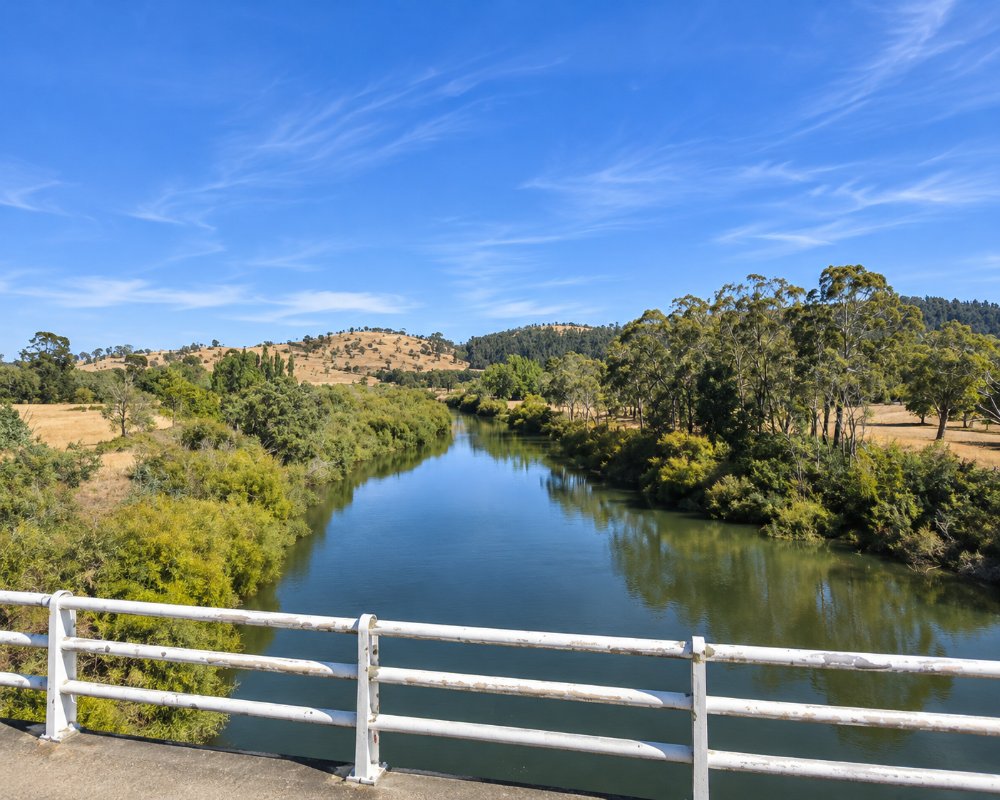
Hadspen’s origins are rooted in its strategic location along the South Esk River, which made it a critical crossing point in the early 19th century. Known initially as Reibey’s Ford, the settlement was named after Thomas Reibey, a prominent figure in Tasmanian history and the owner of Entally Estate. His son, also Thomas Reibey, was a clergyman and politician who became the Premier of Tasmania from 1876 to 1877. His estate, Entally House, remains a focal point of Hadspen’s historical narrative, offering visitors a glimpse into the opulent lifestyle of the colonial elite.
The formal establishment of Hadspen as a township came in 1866, a time when Tasmania was transitioning from its penal colony past to a more settled and structured society. By then, Hadspen had grown into a small but significant hub, with local industries centered around agriculture and river transport. The fertile plains around the South Esk River supported farming, while the river itself was a lifeline for moving goods and people in the pre-railway era.
Entally House is the crown jewel of Hadspen’s historical landmarks. Built in 1819, it was one of the first estates established in Tasmania and remains a testament to the architectural and cultural aspirations of the early settlers. The estate’s design blends Georgian and Victorian influences, characterized by its symmetrical layout and ornate interiors.
Entally is not just a grand house; it’s an estate with various auxiliary buildings that provide insight into colonial life. The stables, coach house, and blacksmith’s shop showcase the practical aspects of running a large estate in the 19th century. The vineyard and gardens, still maintained today, highlight the settlers’ efforts to replicate European agricultural practices in Tasmania’s unique climate.
The estate also has a fascinating connection to Tasmania’s political history. As the home of Thomas Reibey, it played host to many significant political and social events during his tenure as Premier. Today, it operates as a museum and event space, attracting visitors who are eager to step back in time and explore its well-preserved grounds.
Another historical gem in Hadspen is the Church of the Good Shepherd, an Anglican church that took over 90 years to complete. Construction began in the mid-19th century but faced numerous delays due to funding and resource challenges. This extended timeline has resulted in a structure that reflects multiple architectural styles, offering a unique narrative of persistence and community effort.
The church’s stained-glass windows and sandstone façade make it a picturesque landmark, and its history is a testament to the resilience of the Hadspen community. For visitors interested in Tasmania’s ecclesiastical history, the Church of the Good Shepherd is a must-see.
The development of Hadspen was closely tied to the agricultural potential of the region. Early settlers cultivated the fertile lands along the South Esk River, growing crops and raising livestock to support both local consumption and export. The river itself was a vital transportation route, connecting Hadspen to Launceston and beyond.
Small-scale industries such as flour milling and blacksmithing also thrived in Hadspen during its early years. These industries supported the local economy and contributed to the town’s growth as a self-sustaining community. By the late 19th century, Hadspen had evolved from a simple ford to a structured township with schools, churches, and local businesses.
While Hadspen’s early history is marked by its role as a colonial settlement, the 20th century saw the town transition into a quiet residential area and a commuter suburb for Launceston. Despite these changes, efforts to preserve its historical landmarks have ensured that Hadspen retains its old-world charm.
Today, visitors can explore this rich history through guided tours of Entally House, walks through the town’s heritage precinct, and visits to historical sites like the Church of the Good Shepherd. The juxtaposition of historical preservation and modern development makes Hadspen a unique destination that continues to celebrate its past while embracing the future.
Hadspen’s story is one of transformation, resilience, and enduring significance in Tasmania’s cultural and historical landscape. It serves as both a window into the past and a serene retreat for those seeking to connect with Tasmania’s rich heritage.
Things to Do
Hadspen’s appeal lies in its combination of historical landmarks and scenic beauty. The South Esk River Reserve offers a picturesque walking track where visitors can enjoy the calm of the riverbanks. Whether you’re a nature enthusiast or just looking for a leisurely stroll, the views here are captivating.
For those intrigued by history, Entally Estate is an unmissable highlight. Its stunning gardens and rich colonial architecture provide insight into Tasmania’s past. Meanwhile, Hadspen’s relaxed vibe makes it perfect for family picnics and quiet afternoons.
Hadspen’s location makes it an excellent base for exploring northern Tasmania. Just a short drive away, Launceston offers a wealth of attractions, including Cataract Gorge, a natural reserve featuring walking trails, a suspension bridge, and the world’s longest single-span chairlift.
Wine enthusiasts can embark on a journey through the Tamar Valley Wine Route, which starts near Hadspen. This region is renowned for its cool-climate wines, particularly Pinot Noir and sparkling varieties. Many wineries offer tastings, cellar door experiences, and vineyard tours.
If you’re traveling with children, a visit to the nearby Tasmania Zoo is a must. Located about 20 minutes from Hadspen, this family-friendly attraction is home to a wide variety of animals, including Tasmanian devils, kangaroos, and exotic species.
Entally Estate today
Entally is now run as a historic site with the help of a volunteer group. Beyond the house museum, the grounds hold what the estate describes as Australia’s oldest conservatory, as well as a chapel, stables and a carriage house. Grapes have been grown here since 1855, and the estate still makes pinot noir from about two hectares of vines. It closes over winter for maintenance, so check its reopening dates before you go.
A walk through the village
Most of Hadspen’s colonial buildings are along Main Street and can be seen on foot. The Red Feather Inn is a group of sandstone buildings put up with convict labour in 1842, with its old Watchhouse Cottage alongside, and the Uniting Church began life as a Wesleyan chapel more than 150 years ago. The Church of the Good Shepherd was finally finished on 20 May 1961, closely following the architects’ original plans, and held its first service the next day.
Carrick and Agfest
About 6 km west, the village of Carrick has a four-storey bluestone mill of 1846 and the roofless shell of Archers Folly. Each May the Agfest field days at Quercus Park, near Carrick, draw tens of thousands of people. The 2027 event runs from 6 to 8 May, and the roads around Hadspen are busy on those days.
Where To Stay
Accommodation options in Hadspen cater to various preferences and budgets.
Discovery Parks Hadspen is a popular choice for families, offering cabins, caravan sites, and a range of amenities. Its convenient location ensures easy access to local attractions. For a boutique experience, the Red Feather Inn stands out. Built in the 1840s, this charming inn combines historic architecture with modern luxury, making it ideal for a romantic getaway or special occasion.
Discovery Parks Hadspen, on the corner of Main Street and the Meander Valley Highway, has 15 powered sites, two ensuite sites, cabins and a dump point, with a supermarket and fuel next door. That makes it a handy first night for travellers driving from the Spirit of Tasmania at Devonport. The Red Feather Inn has four heritage rooms in the old inn, a converted hay loft and three historic cottages sleeping six to eight. From mid-September to mid-May the whole property is reserved for Tasmanian Walking Company guests, so other travellers can only book it in the cooler months.
Country Club Tasmania at Prospect Vale, about 5 km east, has resort rooms and one to three bedroom villas. The Olde Tudor Hotel in Prospect has motel rooms, family apartments and an indoor heated pool. At Carrick, about 6 km west, the Stable Lofts at Hawthorn Villa are four self-contained two-storey units for couples. For a larger caravan park closer to the city, BIG4 Launceston Holiday Park in Glen Dhu Street is about 10 km east, with gravel sites built for caravans and motorhomes.
Eat & Drink
Hadspen’s dining scene reflects its quiet charm, with cozy establishments serving hearty, local meals. The Red Feather Inn has a small dining room that serves seasonal Tasmanian produce, mainly to its own guests and the walkers who stay there. For more casual options, nearby Launceston provides a wider array of restaurants and cafes, many of which showcase the region’s renowned food culture.
There are few places to eat in Hadspen itself. Entally Estate’s tea room, run by volunteers, serves Devonshire teas, coffee and glasses of Entally wine. It can set up a wine tasting with a crudité box if you book ahead, and it closes over winter. Guests at the Red Feather Inn eat in its small dining room.
For a pub meal, the Carrick Inn, about 6 km west on the Meander Valley Road, has served travellers since 1833 and has a bottle shop. Country Club Tasmania at Prospect Vale, about 5 km east, has the widest choice, from Bolters Grill and Bolters Pizzeria to the Links Restaurant, the Terrace Kitchen and the Watergarden Cafe. The Olde Tudor Hotel in Prospect has a family bistro known for Tasmanian beef and seafood. Hadspen has a supermarket and fuel beside the caravan park, and a 24-hour unstaffed diesel stop on Winifred Jane Crescent.
History
The South Esk plains around Hadspen are palawa country, used by Aboriginal people for many thousands of years before settlers arrived. A settlement named Hadspen already stood near a ford of the South Esk by 1831, when a road from Launceston was proposed to cross the river there, close to Thomas Haydock Reibey’s property of Entally. The name may have been given by the surveyor George Frankland, after the Hadspen estate in Somerset, England. The post office opened on 1 November 1849. Hadspen stood on the main road from Launceston to Devonport until the late 20th century, when the highway bypassed the town centre. Since then it has grown from a few hundred people in the 1960s to more than 2,000.
Getting To Hadspen
Hadspen features essential amenities, including a small shopping center with a post office and a service station. For families or those traveling on extended trips, the town’s caravan park and nearby stores provide convenient options for everyday needs.
Getting to Hadspen is straightforward. The town lies just off the Meander Valley Highway, a short drive from the Bass Highway. Local bus services also connect it to Launceston and other parts of northern Tasmania, making it accessible for those without a car.
Hadspen is more than a destination—it’s a journey through history, nature, and the simple pleasures of life in Tasmania’s north.
Experiences
- Historic/Heritage
- Rural/Country
- Self-Drive
Popular Activities
- Caravan and Camping
- Food and Wine
About Hadspen
- Locality: Urban locality
- Hadspen Postcode: 7290
- State: Tasmania
- Region: Launceston & North
- Latitude: -41.50358
- Longitude: 147.06863
- Timezone: Australia/Hobart
