
George Town, TAS
George Town, located on the banks of the Tamar River in northern Tasmania, offers a captivating blend of history, culture, and scenic beauty. Just a 40-minute drive (50 km) from Launceston, this township is one of Australia’s oldest European settlements, founded in 1804. While small in size, George Town is rich in experiences, making it a compelling destination for travelers seeking history, wildlife, and coastal charm.
Known For
- Maritime history and heritage
- Little penguin tours at Low Head
- Scenic trails and outdoor adventures
As the third-oldest European settlement in Australia, George Town’s story is steeped in the early exploration of Tasmania. Established as a strategic port by Governor Lachlan Macquarie in 1811, the town was named after King George III. Today, its historic roots are evident in landmarks like the Bass and Flinders Maritime Museum, which houses a detailed replica of the Norfolk, the ship that navigated Bass Strait. The nearby Low Head Pilot Station, Australia’s oldest operating pilot station, adds to the town’s unique charm.
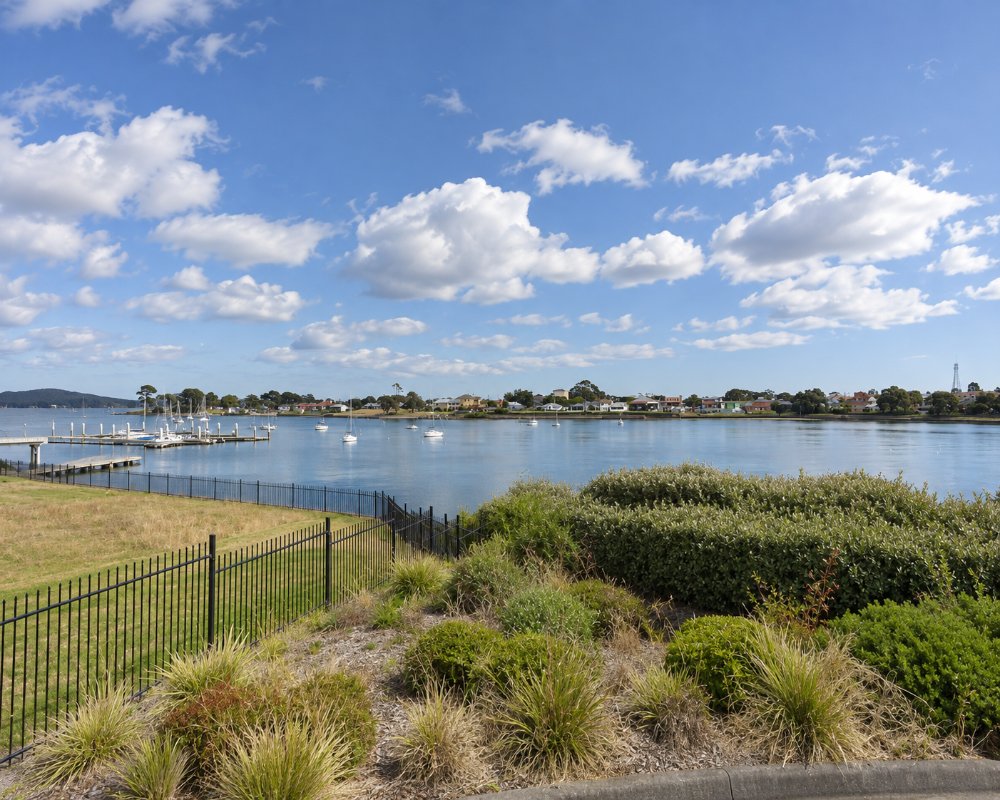
George Town’s location along the Tamar River provides stunning coastal views and access to outdoor activities. The kanamaluka Trail, a 6-kilometer shared-use path linking George Town to Low Head, is a favorite among walkers and cyclists. This scenic route offers a chance to take in breathtaking landscapes and local wildlife.
For those seeking maritime experiences, a visit to the Low Head Lighthouse is a must. First lit in 1833 and rebuilt in 1888, it’s Tasmania’s second-oldest light station and provides panoramic views of Bass Strait. Adventure seekers can also enjoy the region’s mountain biking trails, which cater to both beginners and experienced riders.
One of the most memorable activities in George Town is observing little penguins at the Low Head Coastal Reserve. These delightful creatures, the world’s smallest penguins, can be seen returning to their burrows at dusk. Guided tours ensure visitors can experience this natural spectacle responsibly while learning about the penguins’ habits and conservation.
Things To Do in George Town
Bass and Flinders Maritime Museum
The museum at 8 Elizabeth Street, in the old George Town theatre, tells the story of George Bass and Matthew Flinders, who sailed the sloop Norfolk into the Tamar in 1798 while proving that Tasmania was an island. The full-size replica Norfolk is the centrepiece, alongside other historic boats and maritime relics, and guided tours include an interactive Norfolk experience. It is open every day.
The Watch House
Built in 1843 as the town gaol, the Watch House at 84-86 Macquarie Street is now a small local history museum and gallery. It includes a display on the women convicts held in George Town in the 1820s and 1830s and a scale model of the early town. It opens most days of the week, with shorter hours on Sundays.
Mount George and the Mountain Bike Trails
Mount George, on the edge of town, has a lookout over the town and the river mouth and a 16 km network of short, steep gravity trails, with shuttle uplifts on some days. The larger Tippogoree Hills network, with about 57 km of trails through rugged forest, starts from Lauriston Park on the other side of the Bridport Road. The two networks make George Town a good warm-up on the way to Derby.
Where To Stay
From charming heritage accommodations to modern facilities, George Town offers a variety of places to stay.
Low Head Pilot Station Cottages, dating back to 1835, provide a unique opportunity to immerse yourself in the region’s history. For a more contemporary option, there are several cozy bed-and-breakfasts and motels that cater to travelers looking for comfort and convenience.
The Pier Hotel on Elizabeth Street, beside the water at York Cove, has rooms above a pub with a bistro, a lounge bar and a traditional public bar, which suits travellers who want dinner and a bed under one roof. Across the cove, the York Cove Hotel on Ferry Boulevard is a modern waterfront hotel beside the marina with its own restaurant, suited to couples and small groups.
For caravans, motorhomes and families, the BIG4 Low Head Tourist Park, about 5 km north on Low Head Road, has powered and unpowered sites, studio and family cabins and water-view cottages on the river, a short walk from the penguin tours. The Low Head Beach House is a self-contained holiday house at Low Head.
Self-contained vans can also stay at the Tam O’Shanter Golf and Community Club at Lulworth, about 45 km east, which takes up to 10 vans on a first-come basis in return for a donation.
George Town Council runs a dump point behind the visitor information centre on the corner of Main Road and Victoria Street, with access off Victoria Street.
Eat & Drink
George Town’s dining scene reflects the region’s coastal influences, with seafood being a highlight. Local eateries like The Signature Cafe and The Pier Hotel serve up fresh, locally-sourced ingredients, ensuring a memorable culinary experience. For those with a sweet tooth, there are bakeries and cafes offering homemade treats that pair perfectly with a warm cup of coffee.
The two hotels on the water are the most reliable places for an evening meal. The Pier Hotel on Elizabeth Street serves lunch and dinner every day in its bistro, and its bars stock Tasmanian gin, whisky and sparkling wine, with an open fire in the public bar in winter. The York Cove Restaurant at the York Cove Hotel on Ferry Boulevard serves modern Australian dishes, including seafood, steaks and classic favourites, with views over the marina.
In the main street, Don Mario’s Ristorante and Coffee Lounge at 20 Macquarie Street is a licensed Italian restaurant and cafe with gluten-free, vegetarian and vegan dishes. Up the hill, The George Tasmania Cafe Bar on Mount George Road serves coffee, toasties, grazing boards, Tasmanian wine and craft beer and ice cream with river and ocean views. It opens on weekends and public holidays and closes from June to August.
Worth the drive are the berry farm cafe at Hillwood, about 25 km south, and the cellar doors of Pipers Brook and Pipers River, about 35 km east.
George Town has supermarkets and fuel.
History
George Town lies in the country of the Leterremairrener people, and the Tasmanian Aboriginal Centre gives the town the palawa kani name kinimathatakinta. Bass and Flinders sheltered in the river mouth in 1798 and named it Port Dalrymple. In November 1804 Colonel William Paterson landed at Outer Cove with 181 convicts, soldiers and settlers, but the main settlement soon moved up the river to Launceston. Governor Macquarie moved it back in 1811 and named the town after King George III, though building began in earnest only in 1819. A semaphore line to Launceston followed in 1825, and in 1869 a submarine telegraph cable linked the district to the mainland. In the twentieth century the port and smelters at Bell Bay, just to the south, became the town’s main employers.
Getting There
Reaching George Town is easy and picturesque. The town is a short 40-minute drive from Launceston along the East Tamar Highway, with scenic views of the Tamar Valley along the way. For those traveling from Devonport, it’s a slightly longer journey of 1 hour and 20 minutes, making it an ideal stopover for exploring northern Tasmania.
Experiences
- Caravan and Camping
- Historic/Heritage
- Self-Drive
Popular Activities
- Bush Walking
- Cycling
- Food and Wine
- Mountain Biking
About George Town
- Locality: Urban locality
- George Town Postcode: 7253
- State: Tasmania
- Region: Launceston & North
- Latitude: -41.10678
- Longitude: 146.8237
- Timezone: Australia/Hobart
