
Daglish, WA
Daglish, a quiet and character-filled suburb located just 4 kilometers west of Perth’s city, offers a unique blend of heritage and modern living. Known for its historic roots tied to the garden suburb movement, Daglish is a place where thoughtful design meets community spirit.
Known For
- Historical garden suburb design
- Expansive green parks and outdoor spaces
- Easy access to Perth CBD
Daglish is a small suburb in the City of Subiaco, between Subiaco to the east, Shenton Park to the south and west and Jolimont to the north, with Hay Street, Nash Street and Selby Street as its main roads and the railway along its southern edge.
Local schools, such as Jolimont Primary School and Shenton College, provide high-quality education, attracting families to the area. Meanwhile, Daglish’s proximity to Subiaco ensures residents have access to excellent shopping, dining, and entertainment options.
Things To Do in and around Daglish
Parks
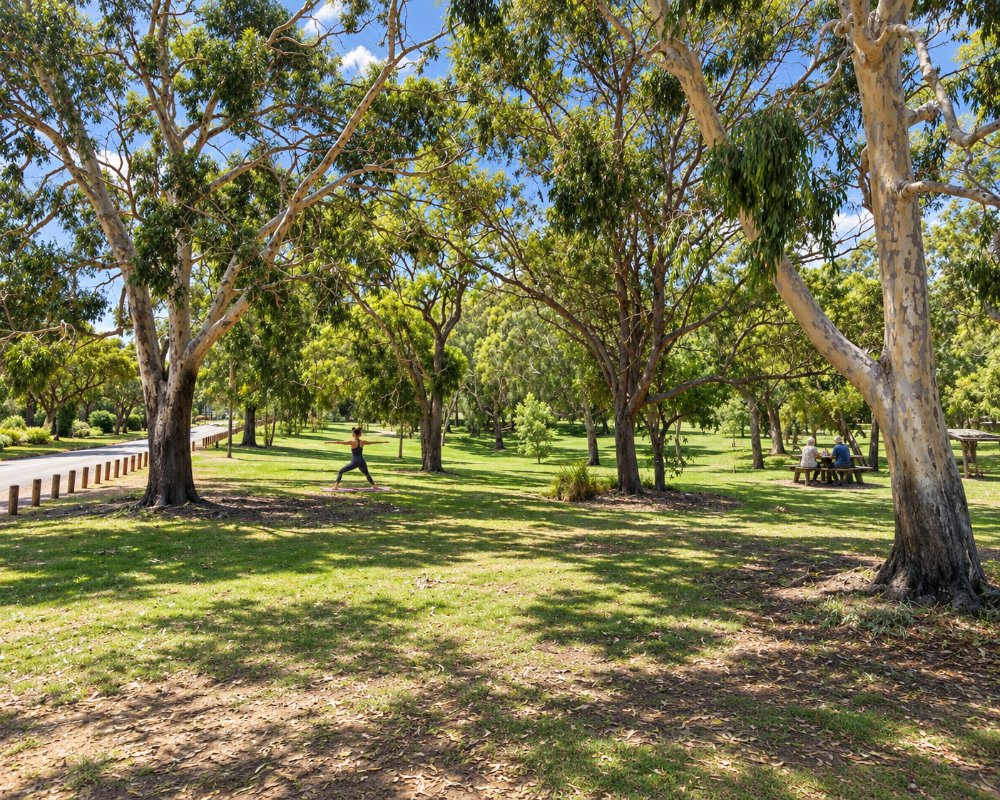
Daglish boasts some of Perth’s most serene and accessible parks, making it a haven for outdoor enthusiasts. Cliff Sadlier VC Memorial Park is a standout, offering large open spaces, shady areas, and play equipment for families. Named after a local World War I hero, the park also has historical markers, providing a quiet space for reflection.
Nearby Charles Stokes Park offers another green escape, perfect for leisurely walks or weekend picnics. The suburb’s commitment to preserving green spaces is evident, with parks woven into the very fabric of the community. These areas are popular gathering spots, fostering a sense of connection among residents.
Galup (Lake Monger)
About 3 km north in Wembley, Galup, the restored Noongar name for Lake Monger made official in May 2025, has a sealed, accessible path of about 3.5 km around the water, with boardwalks, lookouts and interpretive plaques. Black swans, pelicans, spoonbills and cormorants are common.
Bold Park and Reabold Hill
Bold Park, about 4 km west in Floreat, has more than 15 km of walking trails through coastal bushland. The short Reabold Hill Summit Boardwalk is universally accessible and climbs to the highest natural point on the Swan Coastal Plain, with views of the ocean, Rottnest, Kings Park and the city skyline.
Subi Farmers Market
Every Saturday from 8 am to noon, the Subi Farmers Market fills the grounds of Subiaco Primary School at 271 Bagot Road, about 2 km east, with growers, bakers and coffee under a big fig tree, and profits go to the school.
Daglish Tennis Club
Daglish Tennis Club, formed in 1930 as Hillcrest Tennis Club, plays on three courts at Hickey Avenue Park and is said to be the smallest tennis club in Perth.
Where To Stay
Daglish is purely residential and has no hotels; a few short-stay houses and apartments are listed in the suburb.
The nearest hotel is Vibe Hotel Subiaco, about 2 km east, and the West Perth and CBD hotels are 4 to 5 km away. For caravans there is nothing close in the western suburbs, and Perth Central Caravan Park in Ascot, about 15 km east through the city, is the most central option.
Eat & Drink
While Daglish itself is primarily residential, its neighboring suburb, Subiaco, offers a variety of accommodations ranging from boutique hotels to short-term rentals. Subiaco’s vibrant dining scene, including standout spots like Lulu La Delizia and Subiaco Hotel, is just minutes away, making it easy to find a great meal or a relaxing place to stay.
Daglish has no cafés or shops of its own. The Subiaco Hotel at 465 Hay Street, a century-old pub, serves lunch and dinner daily, Lulu La Delizia at 5/97 Rokeby Road is a small Italian restaurant known for handmade pasta, and Rokeby Road and Hay Street have many more cafés, bars and restaurants.
History
Daglish carries a rich historical legacy as one of Perth’s most well-preserved examples of the garden suburb movement. Developed from the mid-1920s, its layout emphasizes green spaces, curved streets, and a harmonious connection between nature and urban life. Named after Henry Daglish, a former Premier of Western Australia, the suburb reflects an era of innovative town planning that aimed to prioritize quality of life for its residents.
Today, many of the original homes still stand, showcasing architectural styles that blend seamlessly with the mature trees and landscaped streetscapes. The historical significance of Daglish makes it a key area for heritage enthusiasts and those drawn to its unique charm.
Daglish is on Whadjuk Noongar country, part of the area of the Mooro group led by Yellagonga, and the wetlands where the parks now lie were a source of food. The station opened in 1924 and was named after Henry Daglish, a Subiaco mayor and Premier of Western Australia in 1904–05, the townsite was declared in 1928, and from 1933 the Workers’ Home Board built many of the brick homes. The City of Subiaco created the Daglish Conservation Area in 2003.
Getting to Daglish
Despite its historical roots, Daglish is anything but outdated. The suburb is well-equipped with modern amenities, including efficient public transport options like the Daglish railway station, which connects the area directly to Perth and Fremantle. For those traveling by bus, several routes service the area, making commuting a breeze.
Daglish is about 4 km west of the CBD, roughly 10 minutes’ drive via Hay Street or Thomas Street. Daglish station is on the Fremantle and Airport lines, a few minutes from Perth station, and buses run along Nash Street and Hay Street and on the CircleRoute along Selby Street.
The suburb’s unique combination of historical ambiance, natural beauty, and modern convenience makes it a compelling destination for visitors and a treasured home for locals.
Experiences
- City
- Historic/Heritage
Popular Activities
- Bird Watching
- Bush Walking
- Shopping
- Sightseeing
About Daglish
- Locality: Suburb
- Daglish Postcode: 6008
- State: Western Australia
- Region: Perth & surrounds
- Latitude: -31.9541
- Longitude: 115.80941
- Elevation: 21m
- Population: 1419
- Median Income: $45552
- Area (Sq/km): 0.635
- Timezone: Australia/Perth
