
Agnew, WA
Agnew, WA, is more than just a dot on the map—it’s a doorway to the history and heritage of Western Australia’s Goldfields region. Located approximately 982 kilometers northeast of Perth and a short 21-kilometer drive south-west of Leinster, this small locality has long been intertwined with the story of gold in Australia.
Known For
- Gold mining and the Agnew Gold Mine
- Rugged, arid landscapes
- Fly-in-fly-out (FIFO) mining operations
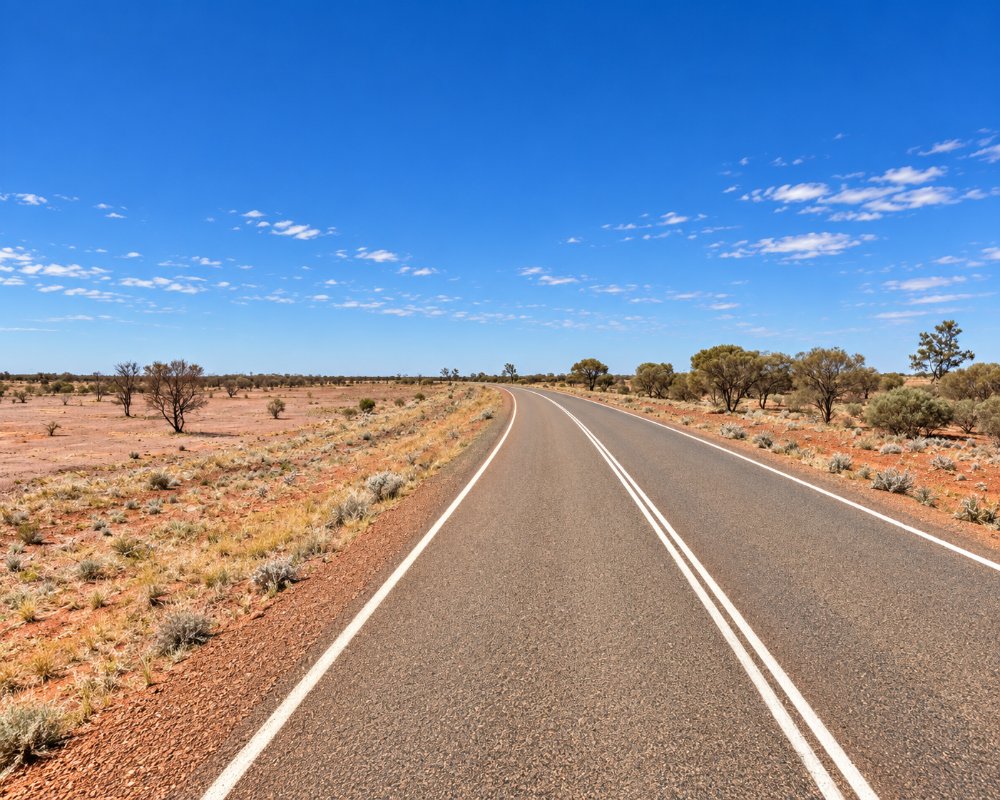
Agnew is an abandoned gold townsite in the Shire of Leonora, about 21 km south-west of Leinster on the sealed Leinster to Sandstone road. Sandstone is about 175 km further west and Leonora about 145 km south-east, so Agnew is a stop on one of the long outback crossings between the Goldfields and the Murchison.
Visitors can explore the Goldfields region, where small towns like Leinster provide modern amenities alongside historical intrigue. Agnew itself may no longer have a residential population, but its proximity to other communities makes it accessible for those seeking to learn more about its story.
Things To Do in and around Agnew
What Is Left at Agnew
The old pub on the main street, built in 1945, was the last building standing until the shire demolished it in 2018. Just outside the townsite you can still see the headframe of an old stamp mill and the large tailings dumps of the East Murchison United mine. Look from the public tracks, as the ground around them is active mining lease.
The Landscape
The landscape around Agnew is quintessentially Australian outback—raw, remote, and awe-inspiring. Travelers venturing into this area encounter arid plains, rugged terrain, and a unique biodiversity that thrives in these challenging conditions. The climate, typically hot and dry, provides a stark contrast to the lush coastlines that many associate with Western Australia.
The Agnew Gold Mine
For those involved in mining, Agnew is synonymous with cutting-edge operations. The Agnew Gold Mine employs advanced techniques to extract gold efficiently and sustainably, reflecting the broader industry’s commitment to innovation. Most of the workforce operates on a fly-in-fly-out (FIFO) basis, with a schedule designed to balance work and personal life.
The mine is a working site that is closed to the public, with no tours, but its scale shows how gold is sourced and the economic impact of this precious resource on the state and nation.
Lawlers Ghost Town
Lawlers, about 20 km away on the gravel Old Agnew Road, was gazetted in 1896 and was once one of the larger towns in the state. Its stone police station and courthouse, built in 1899, still stands, and the pioneer graves have been marked by the shire and volunteers.
London Bridge and the Sandstone Night Sky
At Sandstone, London Bridge is a natural arch of weathered basalt, and the town also has the cellar of a 1907 brewery cut into a breakaway. The shire’s Astrodome at the old school runs night-sky viewings from April to October, booked at the visitor centre, but they depend on operators being available, so check before you go.
Gwalia Ghost Town
On the edge of Leonora, Gwalia has more than a dozen restored buildings to walk through, including miners’ cottages, Patroni’s Guest House and Mazza’s Store, with the mine headframe and Hoover House on the hill and a cafe at Hoover House.
Further Afield
For a deeper dive into the region’s mining heritage, head to nearby Kalgoorlie or explore Laverton’s Outback Way, known as “Australia’s Longest Shortcut.” These locations offer museums, historical sites, and cultural experiences that complement the Agnew story.
Where To Stay
While Agnew itself doesn’t offer accommodations, nearby Leinster serves as the primary hub for visitors and workers. Leinster has shrunk since BHP put its nickel mine into care and maintenance in October 2024, but it still has a caravan park and fuel, so ring ahead before relying on it as a base.
The nearest place to park a van is Leinster Caravan Park on Mansbridge Street, about 21 km north-east and booked through the Leinster supermarket; ring ahead, as town services have thinned since the nickel shutdown. Fill up at Leinster, because the next fuel is at Leonora, about 130 km south, or Wiluna, about 170 km north, and carry water and spares. The Goldfields Highway is sealed, but tracks around the old townsite are gravel, and you must keep off the mine’s haul roads and leases.
Leinster Caravan Park is booked through the Leinster supermarket and rooms at Leinster Lodge through the tavern. Heading west, Peter Denny Lookout is a free overnight bay on the Sandstone road for fully self-sufficient travellers, with no phone reception. Sandstone’s Alice Atkinson Caravan Park has 40 sites, a dump point, a camp kitchen and two new units, and Lake Mason, a former station north of Sandstone on the gravel Wiluna road, is a free bush camp.
To the south, Leonora Village on Rochester Street has 50 powered sites, cabins, studio rooms and catered meals, and Leonora also has the Leonora Motel, motel units at the Leonora Central Hotel, rooms at the White House Hotel and Hoover House Bed and Breakfast at Gwalia.
Eat & Drink
There is nothing to buy at Agnew. Leinster has a supermarket, a coffee shop, self-serve card fuel and a tavern that serves meals, but town services have shrunk since the nickel shutdown, so check hours before you count on a meal.
In Leonora, the Central Hotel dining room serves lunch and dinner daily, the White House Hotel does counter meals in a 1902 pub, and Leonora Village sells meals to travellers. Sandstone has 24-hour self-serve fuel on Payne Street but no ATM. Carry water, food and spares for the long gaps.
History
Agnew’s origins trace back to the 1890s, when gold discoveries around nearby Lawlers drew prospectors from across the country. By 1936, it was officially gazetted as a town, cementing its place in the region’s gold mining narrative. Over the decades, operations have grown more sophisticated, and today, the Agnew Gold Mine—operated by Gold Fields—remains one of Australia’s significant gold-producing sites.
The town itself is now more of a historical marker than a bustling community, but its legacy lives on through its contributions to the mining industry and its influence on the region’s development.
This is Tjiwarl country; the Federal Court recognised Tjiwarl native title over the land between Leonora and Wiluna in 2017. Prospectors from Cue found gold around Lawlers in 1892 to 1894, and the East Murchison United company began working the field in 1897. Agnew is named after John Alexander Agnew, a mining engineer with Bewick, Moreing and Co, and its population reached about 500 at one point. The Emu mine closed in 1948 and the Agnew mine in 1949, and modern mining later revived the field.
Getting to Agnew
Perth to Agnew is about 980 km by the Great Eastern Highway to Kalgoorlie, the Goldfields Highway through Leonora to Leinster and then 21 km west, all sealed. An alternative of about 900 km, also sealed, runs up the Great Northern Highway to Mount Magnet and east through Sandstone, with fuel at both. Both routes suit caravans, and only the tracks around the old townsite are gravel. There is no public transport.
Agnew’s remote allure, combined with its significant role in Australia’s mining history, makes it a fascinating destination for those drawn to the outback’s untamed spirit and industrial legacy.
Experiences
- Historic/Heritage
- Remote
- Self-Drive
Popular Activities
- Caravan and Camping
- Driving
- Outback
- Sightseeing
About Agnew
- Agnew Postcode: 6435
- State: Western Australia
- Region: Esperance & The Golden Outback
- Latitude: -28.0119
- Longitude: 120.5189
- Timezone: Australia/Perth
