
Pintharuka, WA
Located just over 380 kilometers north of Perth, Pintharuka offers a glimpse into Western Australia’s rural and historical charm. This abandoned townsite, found along the Mullewa-Wubin Road, is a portal to the past, blending agricultural heritage with natural beauty.
Known For
- Historical agricultural significance
- Pintharuka Nature Reserve
- War Rock & Gnamma Hole
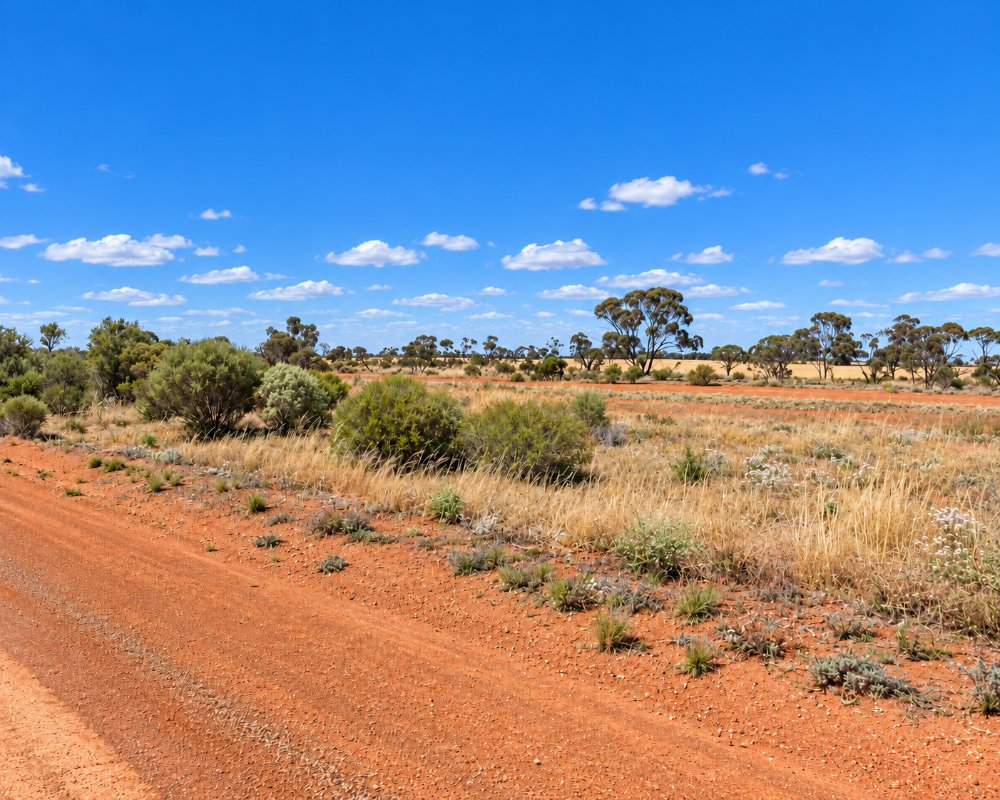
Pintharuka is an abandoned townsite and farming locality on the Mullewa–Wubin Road, about 15 km north-west of Morawa and 80 km south-east of Mullewa. War Rock and the old Pintharuka Dam are just off the highway on Pintharuka Dam Road, which makes it an easy stop on the Wildflower Way.
Things To Do in and around Pintharuka
Pintharuka Nature Reserve
For those seeking nature and tranquility, Pintharuka does not disappoint. Pintharuka Nature Reserve is a prime destination for birdwatchers and enthusiasts of native flora. Its diverse ecosystem supports a variety of bird species and plants unique to the region, providing a serene escape from the bustle of modern life.
War Rock and Gnamma Hole
Just a short drive away, War Rock & Gnamma Hole offers a blend of natural and cultural significance. This historical site features interpretative signs and sculptures that tell the story of Aboriginal heritage and the unique geological formations found in the area. It’s a must-visit for anyone keen on understanding the deeper layers of Western Australia’s landscape.
Pintharuka Dam
The dam was built in 1936 for local settlers, mostly with a small crawler tractor, horse-drawn scoops and men with picks and shovels, and rock walls and drains built as Depression relief work channel water into it. It became a public water supply in June 1937 and was later roofed, and workers’ families camped on site while it was built.
Everlastings on the Ranges
Hiking enthusiasts can immerse themselves in the local trails, where the open landscapes and rolling farmland create a picturesque backdrop. During the wildflower season, the region transforms into a kaleidoscope of colors, attracting photographers and nature lovers alike.
Behind War Rock rise the Moonagin, Karrakarook and Milhun ranges, and in a good spring everlastings spread right up to their highest points.
Bilya Rock and Canna
About 30 km north of Morawa, Bilya Rock is a reserve with a granite outcrop for walks and picnics, and the cairn on top is said to have been built by John Forrest as a survey point in the 1870s. About 43 km north of Morawa, the old Canna townsite has walking trails, an orchid identification sign near the hall and a heritage store.
Morawa
Although Pintharuka itself is quiet, the surrounding areas provide plenty of opportunities for exploration. Visitors can enjoy scenic drives along the Mullewa-Wubin Road, stopping at nearby towns such as Morawa to access dining, accommodation, and additional attractions. Morawa, with its Monsignor Hawes stone church and community-driven vibe, serves as an excellent base for your Pintharuka adventures.
Where To Stay
While accommodation within Pintharuka may be limited due to its status as an abandoned townsite, nearby towns like Morawa offer a variety of options.
From cozy bed-and-breakfasts to modest motels, there’s a place to suit every traveler’s preference. Popular choices include the Morawa Hotel Motel and nearby farm stays, where guests can experience rural hospitality at its finest.
Morawa Caravan Park, about 15 km south-east in Morawa, takes caravans first come, first served and has a camp kitchen, and the Shire also has a bush campsite at Koolanooka Springs, 28 km from Morawa. The main road past Pintharuka is sealed, and Morawa has fuel and groceries.
Morawa Caravan Park has 25 powered sites plus an unpowered overflow area, allocated first come, first served, while the chalets and units can be booked. It has a camp kitchen, laundry and a stargazing site, and the town’s dump point and water refill are at the southern entrance. The Canna townsite camp is meant for single overnight stays and has hot showers, toilets, drinking water and power by donation.
Everlastings Guest House in Morawa offers ensuite rooms with cooked breakfasts and buffet dinners, and Mellenbye Station, a working cattle station about 60 km east of Morawa, has reopened with camping, caravan sites and rooms.
Eat & Drink
Dining options also center around neighboring communities. Local eateries serve hearty meals, often featuring fresh, locally-sourced ingredients. Be sure to try the home-baked fare at Wildflour Bakery and Cafe (the former Morawa Roadhouse) or enjoy a casual meal at one of the town’s welcoming cafes.
Pintharuka has no shop, cafe or fuel. The bakery cafe on Winfield Street in Morawa is the morning stop for fresh bread, pies, cakes and coffee, and it also sells fuel, closing mid-afternoon on weekdays and late morning on Saturdays, with longer hours in wildflower season. For dinner, the Morawa Hotel’s kitchen opens in the evening from Tuesday to Sunday. Groceries are at Morawa IGA and Morawa Traders, and the self-serve fuel station is open around the clock. Northbound, the next real services are in Mullewa.
History
Pintharuka’s story began in the early 20th century when plans for the railway between Mullewa and Wongan Hills sparked the establishment of this small townsite. Officially gazetted in 1913, the town became a critical hub for local agriculture. Its railway siding played a pivotal role in transporting wheat and livestock, supporting Western Australia’s burgeoning agricultural sector.
During its peak, Pintharuka was equipped with grain elevators and silos, reflecting its importance in the wheat-growing regions of the Mid West. While the townsite itself no longer thrives, its historical significance endures, offering visitors a chance to walk through the remnants of a bygone era.
The Shire of Morawa acknowledges the Yamatji people as the Traditional Owners, and local legend says War Rock was named after a clash between two neighbouring Aboriginal groups at their boundary. The name comes from a well recorded in 1910. In 1912 the local progress association asked for a townsite at the planned railway siding, and the name Pintharika was chosen in 1913. A school served the district in the 1930s, and in November 1948 violent hail and rain flooded the town and killed many sheep.
Getting to Pintharuka
Traveling to Pintharuka is an adventure in itself. From Perth, the 386-kilometer journey north takes about four and a half hours by car. The route offers scenic views of Western Australia’s farmlands, with plenty of opportunities to stop and explore along the way. Public transportation options are limited, making private vehicle travel the most convenient choice.
The route runs by the Great Northern Highway to Wubin and then the Wubin–Mullewa Road through Perenjori and Morawa, or up the Midlands Road via Three Springs to Morawa and then 15 km north-west. Both routes are sealed and suit caravans. Transwa’s coach stops at Morawa, not Pintharuka.
For those seeking an off-the-beaten-path experience, Pintharuka is a destination worth discovering. Its combination of historical intrigue, natural beauty, and rural charm ensures a unique and enriching journey for every visitor.
Experiences
- Historic/Heritage
- Nature based
- Rural/Country
Popular Activities
- Bird Watching
- Bush Walking
- Driving
- Sightseeing
About Pintharuka
- Locality: Rural locality
- Pintharuka Postcode: 6623
- State: Western Australia
- Region: Esperance & the Golden Outback
- Latitude: -29.12041
- Longitude: 115.99379
- Elevation: 301m
- Population: 29
- Median Income: $27924
- Area (Sq/km): 558.234
- Timezone: Australia/Perth
