
Paynesville, WA
Paynesville, a historic ghost town in Western Australia’s Mid West region, stands as a silent witness to the gold rush era that shaped much of the region’s history. Located approximately 646 km northeast of Perth, it takes about 7.5 hours by car to reach this once-thriving settlement.
Known For
- Gold rush history
- Abandoned townsite and relics
- Unique geological features
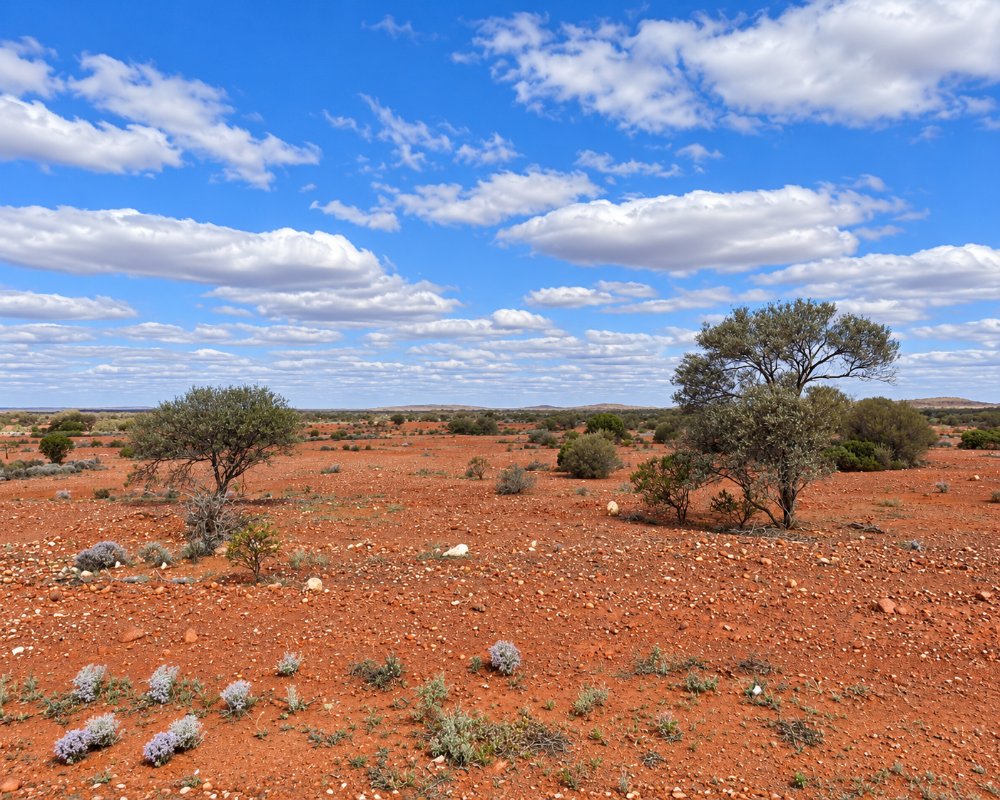
Paynesville sits beside the sealed Mount Magnet to Sandstone road, about 77 km east of Mount Magnet and 80 km west of Sandstone. Nobody lives there now and there are no services, so it is a stop on the long drive between the two towns rather than a place to stay.
The surrounding Mid West landscape is equally captivating, with its open skies, rugged terrain, and a quiet that feels both eerie and peaceful. Wildlife enthusiasts might spot native species that have reclaimed the area, making it a rewarding stop for nature lovers.
Things To Do in and around Paynesville
The Old Townsite
Although Paynesville is no longer a bustling town, its historical remnants offer a fascinating experience. Visitors can wander through the townsite, where remnants of old mining operations and foundations of buildings still stand. The nearby Paynesville Goldfield, part of a greenstone belt, showcases unique geological features that appeal to geologists and amateur rock enthusiasts alike.
Visiting Paynesville is an opportunity to immerse yourself in history and natural beauty. Start with a self-guided tour of the ghost town’s remains, where you’ll find traces of its mining past. Photography enthusiasts will appreciate the atmospheric landscapes and the juxtaposition of man-made structures against the untouched environment.
Paynesville Cemetery
The cemetery is the clearest trace of the town, with only five recorded burials and a single headstone, for the miner Ernest Harbordt, who died in 1899. Ask at the Mount Magnet visitor centre about access before driving in on the tracks.
Geology
For those interested in geology, exploring the Paynesville Goldfield can be a highlight, offering a chance to observe unique rock formations and learn about the area’s mineralogical significance. If you’re visiting during cooler months, hiking and stargazing can round out the experience, providing a serene way to connect with the land.
Mount Magnet Tourist Trail
This 37 km self-drive loop from Mount Magnet takes in The Granites, a picnic and sunset spot about 4 km out on the Cue road with Aboriginal art sites significant to the Badimia people, the Amphitheatre rock formation and the empty townsite of Lennonville, which once had five hotels and burned in 1909.
Mining and Pastoral Museum
The museum is entered through the visitor centre at the southern end of Mount Magnet, with a rebuilt state battery, a Rabbit Proof Fence exhibit and a large rock collection. It opens daily in the cooler months and on weekdays in summer.
London Bridge and the Astrodome
At Sandstone, London Bridge is a weathered basalt arch on the edge of town, and there is also an old brewery cellar cut into a breakaway, a heritage museum and night-sky viewings at the Astrodome from April to October, booked at the visitor centre.
Where To Stay
As a ghost town, Paynesville does not offer accommodations or dining options, but nearby towns such as Mount Magnet and Sandstone provide a base for exploring the region. Mount Magnet, located about 77 km to the west, features several hotels and motels, while Sandstone offers additional lodging options to the east.
Mount Magnet Caravan Park on Hepburn Street, with a dump point, is the natural base, and Mount Magnet is the last reliable fuel before Sandstone. Tracks into the old townsite are gravel and best left to dry weather.
Mount Magnet Caravan Park on Hepburn Street, run by the shire, has shady powered and unpowered sites by the creek, grassed tent sites, ensuite and single units, on-site vans, a camp kitchen and a laundry, with discounts for pensioners and CMCA members. Mount Magnet also has two hotels and units at the Swagman Roadhouse. Sandstone’s Alice Atkinson Caravan Park has 40 sites, a dump point and two new units, and Sandstone’s Outback Accommodation has rooms with breakfast.
For free camping, Peter Denny Lookout between Sandstone and Leinster and Lake Mason, north of Sandstone on the gravel Wiluna road, both suit fully self-sufficient travellers, though neither has phone reception.
Eat & Drink
Dining in Mount Magnet ranges from pub meals to roadhouse cafe food, while Sandstone has very limited options, ensuring visitors are well-fed before embarking on their journey to Paynesville. It’s wise to stock up on supplies before venturing out, as amenities in the area are limited.
In Mount Magnet, the Swagman Roadhouse on Hepburn Street sells fuel and runs a cafe with cooked meals and coffee, and the town also has two hotels, a supermarket, a butcher and a cafe; ring the hotels first for meal times. Sandstone has 24-hour self-serve fuel on Payne Street but no ATM, and its hotel’s status is unclear. Fill up and buy supplies in Mount Magnet, as Sandstone is the next fuel, about 157 km on.
History
The story of Paynesville begins in the late 19th century when prospectors Thomas Payne and Waldeck struck gold in the area. This discovery in 1898 brought a wave of miners seeking their fortunes, leading to the town’s rapid establishment. Officially gazetted in 1900, Paynesville was initially known as Paynton and later East Mount Magnet before settling on its current name.
The Sandstone branch railway, which opened in 1910, played a vital role in the town’s development, connecting it to nearby settlements. However, the gold rush was short-lived, and as miners moved on to other fields, Paynesville faded into obscurity. Today, the town is an intriguing destination for history enthusiasts and adventurers eager to explore its ruins and learn about its vibrant yet fleeting past.
The Shire of Mount Magnet names the Badimia people as the Traditional Owners of this country. The same prospector gave his name to Paynes Find. A local board of health was formed in 1898, the town became Paynesville in 1899, and its battery was moved away in 1904. The town faded as the field ran out.
Getting to Paynesville
Reaching Paynesville requires some planning due to its remote location. The most common route is by car, traveling along the Mount Magnet-Sandstone Road. The journey from Perth offers a scenic drive through Western Australia’s diverse landscapes, and the isolation adds to the sense of adventure.
For those preferring to fly, the nearest airport is in Mount Magnet, with limited services connecting it to Perth. From there, a short drive east will bring you to Paynesville. This accessibility makes it a feasible destination for those seeking a unique experience off the beaten path.
Perth to Paynesville is about 646 km, by the Great Northern Highway to Mount Magnet, about 570 km, and then 77 km east on the sealed Sandstone road, which suits caravans the whole way. Tracks off the bitumen are gravel and best left alone after rain. Transwa’s coach stops at Mount Magnet.
Experiences
- Historic/Heritage
- Remote
- Self-Drive
Popular Activities
- Caravan and Camping
- Driving
- Outback
- Sightseeing
About Paynesville
- Locality: Rural locality
- Paynesville Postcode: 6638
- State: Western Australia
- Region: Esperance & the Golden Outback
- Latitude: -28.04226
- Longitude: 118.48333
- Elevation: 456m
- Population: 10
- Median Income: $19032
- Area (Sq/km): 3329.522
- Timezone: Australia/Perth
Accommodation In Paynesville
Discover some of the accommodation in and around Paynesville
