
Gairdner, WA
Tucked away in Western Australia’s Great Southern region, Gairdner offers a serene escape from the bustle of modern life. Located approximately 484 kilometers southeast of Perth, this small yet fascinating town invites travelers to uncover its unique blend of history, agriculture, and natural beauty.
Known For
- Agriculture and grain production
- Proximity to Fitzgerald River National Park
- Environmental sustainability initiatives
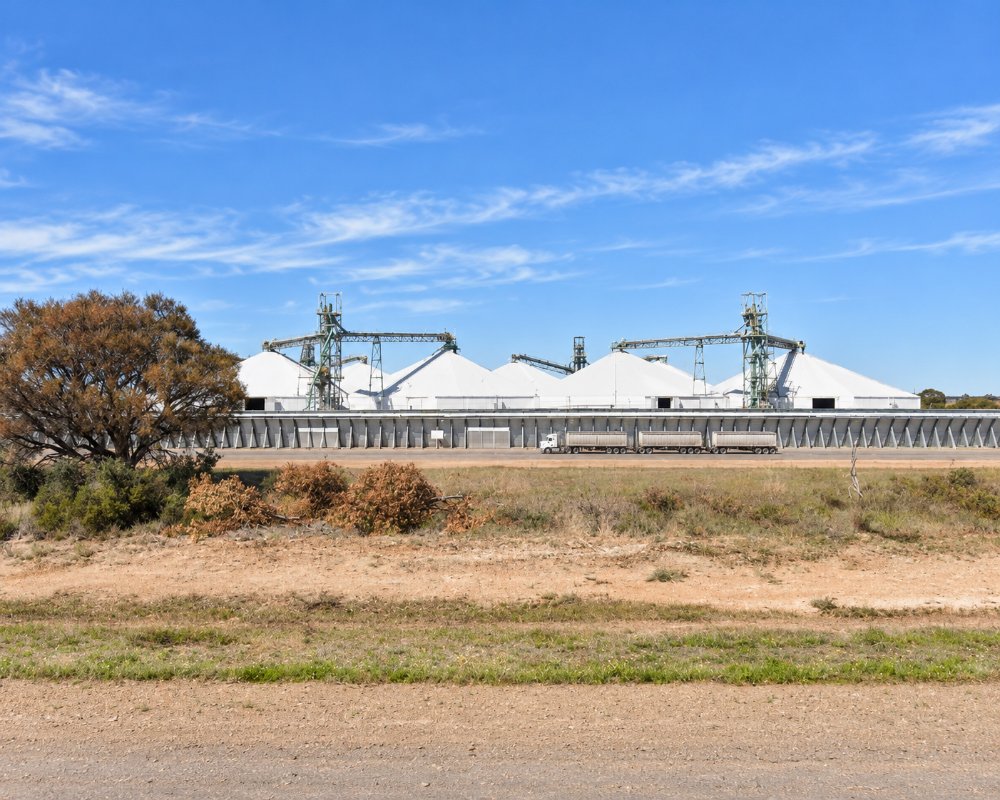
Gairdner sits on the South Coast Highway in the Shire of Jerramungup, beside Devil Creek, about 31 km south of Jerramungup and 28 km north-east of Boxwood Hill. Bremer Bay is about 65 km south-east by Gairdner South Road, so Gairdner is a waypoint for travellers heading to the coast and the western side of Fitzgerald River National Park.
Despite its small population of around 100 residents, Gairdner’s historical charm and connection to the surrounding land make it an intriguing stop for those seeking an authentic slice of rural Western Australia.
Amenities in Gairdner are centered around its agricultural role. The town is a receival site for Cooperative Bulk Handling, emphasizing its importance in WA’s grain production network.
Things To Do in and around Gairdner
Fitzgerald River National Park
Gairdner’s charm lies in its natural and cultural offerings. The nearby Fitzgerald River National Park stands as one of Australia’s most diverse biospheres. It offers hiking trails, wildlife viewing opportunities, and breathtaking vistas of the Southern Ocean. This park is a haven for nature enthusiasts looking to explore WA’s unique ecosystems.
The park covers about 329,000 hectares and has more than 1,800 plant species, 75 of them found nowhere else, and 184 kinds of birds. The western side, reached by Murray Road and the Gairdner River area, leads to camping at Saint Mary Inlet and Four Mile Beach. Caravans are not allowed on the park’s unsealed roads, so leave the van in Bremer Bay or Jerramungup. Wildflowers peak from September to November.
Point Ann Whale Watching
Point Ann, in the park’s west, has viewing platforms where southern right whales and their calves come close to shore from July to November. The one-hour Point Ann Heritage Trail follows part of the old No. 2 Rabbit-Proof Fence.
Nowanup
For those interested in cultural restoration and sustainability, Nowanup Boodja is worth knowing about, though it is open only to organised tours and events. Located close to Gairdner, Nowanup offers eco-cultural experiences that highlight Indigenous heritage and environmental conservation efforts.
Bremer Bay
Bremer Bay has white-sand beaches, with John Cove good for swimming, a boat ramp at Fishery Beach and orca trips to the Bremer Canyon from January to April. The Old Telegraph Station is now a cafe, and the Wellstead Homestead museum has guided tours.
Jerramungup Heritage Trail
In Jerramungup, a short trail from Lions Park passes the Root Pickers Hall, the old War Service Land Settlement office and All Saints Church. The hall was paid for by volunteers picking mallee roots and opened in 1958.
Farm Life
Farm stays and rural activities provide visitors with a closer look at the region’s agricultural life. These experiences offer insights into the community’s deep connection with the land and the practices that sustain their livelihoods.
Where To Stay
Accommodation in Gairdner itself is limited, but options abound in nearby towns like Jerramungup and Bremer Bay. Jerramungup offers hotel rooms and caravan park cabins, ideal for short stays. Bremer Bay, a bit further afield, provides beachfront lodgings and holiday parks for those looking to combine their trip with coastal adventures.
Jerramungup Caravan Park on Moors Head Road, about 30 km north via the sealed South Coast Highway, has powered sites and cabins, and Jerramungup has the nearest fuel.
Gairdner itself has no accommodation, caravan park or shop. Jerramungup Caravan Park has powered and unpowered sites, cabins, showers, a laundry and a camp kitchen, and Jerramungup also has a hotel with rooms; ask at the caravan park about a dump point.
Bremer Bay has the most choice, including two caravan parks, the Bremer Bay Beaches Resort and Tourist Park on Wellstead Road and the Bremer Bay Caravan Park, both busy from Christmas to late January and at Easter, so book ahead. Inside Fitzgerald River National Park, the western campgrounds cannot be reached with a caravan, but the historic Quaalup Homestead, about 45 km from Bremer Bay, has camping.
Farm stays are another fantastic option for visitors who want to immerse themselves in the local lifestyle. These stays often include opportunities to learn about grain farming, which plays a central role in Gairdner’s economy.
Eat & Drink
While dining options in Gairdner are minimal, the surrounding towns feature a variety of cafes and eateries. Jerramungup offers hearty country meals, while Bremer Bay is known for its seafood specialties. For a self-sufficient visit, packing picnic supplies or groceries ensures flexibility when exploring the area.
There is nowhere to eat or buy fuel at Gairdner. Jerramungup, about 31 km north, has a roadhouse with 24-hour fuel, an IGA supermarket and a hotel for counter meals. In Bremer Bay, the Old Telegraph Station cafe is known for local produce and home baking, the Wellstead Homestead museum cafe serves lunch, coffee and cake, and the town has a general store and fuel. For days in the national park, stock up in Jerramungup or Bremer Bay, as the park has no shops or drinking water.
History
Gairdner lies along the South Coast Highway, serving as a modest waypoint between Jerramungup and Boxwood Hill. Established in the mid-20th century, the town owes its origins to agricultural development, with its first major establishment—a primary school—built in 1960. Named after the Gairdner River, the area carries a historical connection to John Septimus Roe, WA’s first Surveyor General.
Gairdner lies on Noongar country. Nowanup, nearby, is a Noongar-led healing and cultural property managed by Elders with Greening Australia and Gondwana Link. Surveyor-General John Septimus Roe explored here in 1848 and named the Gairdner River after Gordon Gairdner of the Colonial Office. The district was opened for farming in the 1950s as part of the post-war land settlement around Jerramungup, the primary school was the first building on the future townsite, and the townsite name was approved in 1978.
Getting to Gairdner
The journey to Gairdner is best undertaken by car. From Perth, a scenic 484-kilometer drive southeast brings you to the town. Public transport options are sparse, so having a personal vehicle is essential for navigating the region. The drive itself offers stunning views of rolling farmland and occasional glimpses of native wildlife, setting the stage for an authentic WA road trip experience.
Take Albany Highway to Broomehill and then Gnowangerup and Ongerup to Jerramungup, or go through Narrogin, Wagin and Lake Grace, then follow the sealed South Coast Highway about 31 km south. All routes are sealed and suit caravans. Albany is about 165 km south-west, and Transwa’s coach stops at Jerramungup, not Gairdner.
Experiences
- Nature based
- Rural/Country
- Self-Drive
Popular Activities
- Bird Watching
- Driving
- National Park
- Wildlife
About Gairdner
- Locality: Rural locality
- Gairdner Postcode: 6337
- State: Western Australia
- Region: Esperance & the Golden Outback
- Latitude: -34.21337
- Longitude: 118.92933
- Elevation: 191m
- Population: 107
- Median Income: $40976
- Area (Sq/km): 974.519
- Timezone: Australia/Perth
