
De Grey, WA
De Grey, Western Australia, is a remarkable locality tucked within the rugged beauty of the Pilbara region. Situated just 75 kilometers east of Port Hedland and accessible via the Great Northern Highway, this destination offers a slice of history and nature unlike any other in the state.
Known For
- Historical significance in WA’s pastoral industry
- Scenic camping along the De Grey River
- De Grey Mining’s Hemi Gold Project
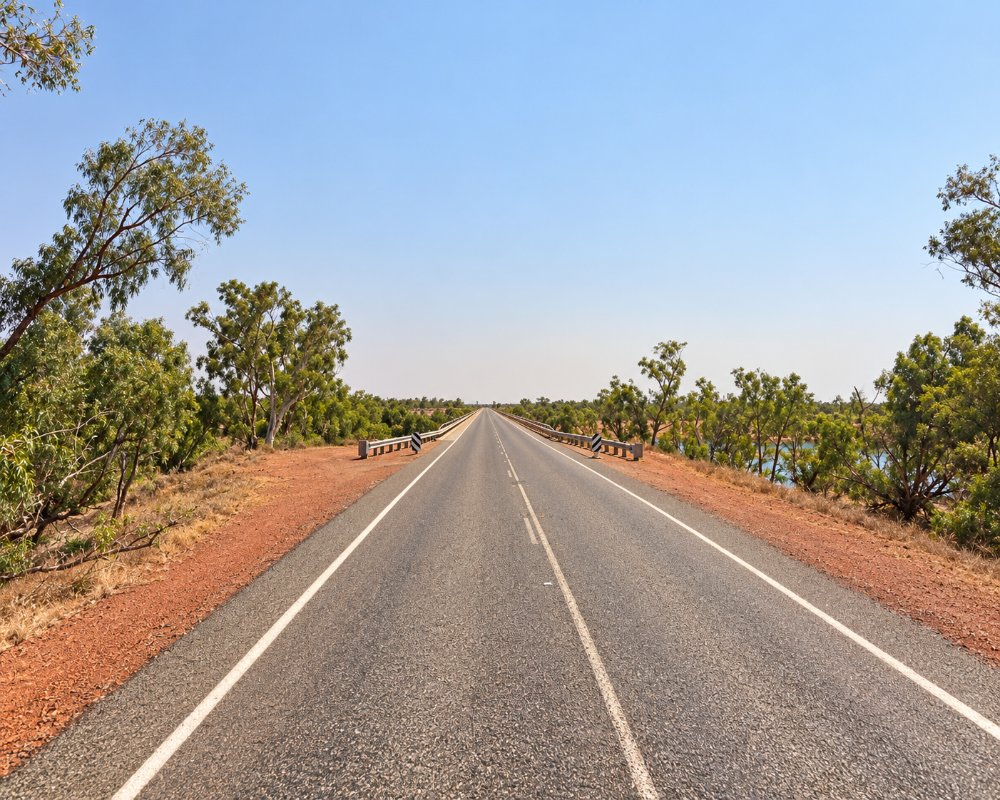
De Grey is a large rural locality about 75 to 80 km east of Port Hedland on the sealed Great Northern Highway towards Broome, with the old Goldsworthy mine site and Pardoo further on and Eighty Mile Beach beyond. The free rest area on the De Grey River is the main stop, and most travellers pass through on the run between Port Hedland and Broome.
Things To Do in and around De Grey
The De Grey River
The De Grey River is the lifeblood of the locality, offering stunning views and ample opportunities for outdoor enthusiasts. Travelers often stop at the De Grey River Rest Area, a popular spot for camping under the expansive Pilbara sky. Since 2019 campers must stay on the fenced gravel area, as the riverbank is closed to vehicles to stop weeds spreading.
Fishing along the river is a favored activity, with species like barramundi attracting anglers from across the region. While enjoying these waters, visitors should stay vigilant, as crocodiles have been sighted in the area.
De Grey Station
De Grey is one of the oldest pastoral leases in the North West. In 1890 it carried about 74,000 sheep, and it changed to cattle in 1979. Alexander Forrest started his 1879 expedition from the homestead, which stands about 20 km inland on the river and is heritage listed, but it is still a working private station, so look from the public road only.
Birdwatching at the Rest Area
Water, river gums and grassland draw birds into the rest area, especially early and late in the day, and birders have recorded brown quail, nankeen night herons and the western form of the black-tailed treecreeper. Bring binoculars and walk the fence line, not the closed riverbank.
Cape Keraudren
This 4,800-hectare coastal reserve, run by the Shire of East Pilbara, is about 13 km in from the highway at Pardoo and known for fishing, crabbing and quiet beach camping. There is no power and the tap water is not drinkable, and fees are paid at the pay station; national park passes are not valid.
Port Hedland Sights
About an hour west, you can watch ore carriers from Marapikurrinya Park, see the Staircase to the Moon from Cooke Point on full-moon nights, and look for flatback turtles nesting at Cemetery Beach from October to January. The Don Rhodes Mining and Transport Museum is in town, and South Hedland has the big shopping centre.
Where To Stay
De Grey offers modest yet convenient accommodations for travelers seeking an authentic outback experience. The De Grey River Rest Area serves as a key stopover point, providing facilities suited to self-sufficient campers. Travelers passing through can find basic provisions and fuel in nearby Port Hedland, just an hour’s drive away.
The De Grey River Rest Area is a free 24-hour stop with drop toilets and bins, but it fills quickly in the dry season, so arrive early. For powered sites, Port Hedland Discovery Parks at Cooke Point is about an hour west, and Pardoo Station is about an hour north-east toward Broome.
Discovery Parks Port Hedland on Taylor Street has powered sites, cabins and a dump point, and the Town of Port Hedland runs a free overflow area beside the Community Centre on McGregor Street for fully self-contained vehicles with a built-in toilet and shower, for at most 72 hours in any 28 days. Black Rock Caravan Park in South Hedland also takes vans, and dump points are on McGregor Street and at the Spoilbank Marina boat ramp.
Going north-east, Pardoo Station’s caravan park has 125 powered sites, a pool and a small store and is best booked ahead from June to September, and Cape Keraudren has unpowered beach camping.
For those looking to explore the area in greater comfort, options in Port Hedland include motels, caravan parks, and boutique stays that cater to a variety of preferences.
Eat & Drink
De Grey has no shop, food or fuel, so fill up in Port Hedland or South Hedland, which have several full-service stations and the big supermarkets. In Port Hedland, Silver Star Cafe serves breakfast and coffee inside a 1939 American railway carriage on Edgar Street, Rays at the Hedland Hotel has deck dining and sunset drinks, and the Esplanade Hotel restaurant serves breakfast, lunch and dinner.
Heading north, Pardoo Station’s store carries basics and has a bottle shop, but it does not sell fuel. Pardoo Roadhouse was wrecked by Cyclone Ilsa in 2023, so treat Sandfire Roadhouse, about 290 km from Port Hedland, as the next certain fuel and fill up in Hedland.
History
De Grey holds a unique place in Western Australia’s history as home to the Pilbara’s first pastoral station, established in 1863 by Walter Padbury. This milestone marked the beginning of pastoral activity in the Pilbara, paving the way for the development of sheep and cattle stations that define the region today. The station itself is an enduring symbol of resilience, evolving through time to remain a vital part of the area’s cultural and economic fabric.
The De Grey River, named by explorer Francis Gregory in 1861, adds another layer of historical charm. This waterway was not only crucial for the early settlers but also a lifeline for the Indigenous people who have called this land home for tens of thousands of years.
De Grey is Ngarla country, and in May 2007 the Federal Court recognised Ngarla native title over about 11,000 square kilometres, including the De Grey lease, with the hearing held at De Grey Station itself. Records show violent conflict between settlers and Ngarla people there around 1864. Gregory named the river after Earl de Grey, president of the Royal Geographical Society.
The name is also linked to the Hemi Gold Project, found by De Grey Mining about 85 km south of Port Hedland and owned by Northern Star since 2025. This project has injected new economic activity into the area while highlighting De Grey’s modern-day relevance.
Getting to De Grey
Getting to De Grey is straightforward, whether you’re embarking on a road trip or flying into the Pilbara. The Great Northern Highway makes it easily accessible by car from Port Hedland or other major hubs like Karratha. For those flying into Port Hedland International Airport, a scenic drive east will lead you to this peaceful outback locale.
From Perth, Port Hedland is about 1,640 km by the inland Great Northern Highway through Newman, or about 1,760 km by the coast, and De Grey is a further 75 to 80 km east on a sealed highway that suits caravans. Cyclone season runs from November to April, so check Main Roads road conditions for floodways in the wet.
Experiences
- Nature based
- Remote
- Self-Drive
Popular Activities
- Bird Watching
- Caravan and Camping
- Fishing
- Outback
About De Grey
- Locality: Rural locality
- De Grey Postcode: 6722
- State: Western Australia
- Region: Exmouth & the Coral Coast
- Latitude: -20.17631
- Longitude: 119.19012
- Elevation: 17m
- Population: 32
- Median Income: $46800
- Area (Sq/km): 3134.26
- Timezone: Australia/Perth
