
Boolardy, WA
Boolardy, located in the heart of Western Australia’s Mid West region, offers a rare combination of historical charm and scientific innovation. About 560 kilometres in a straight line, and about 800 km by road, north of Perth, this remote destination is a drive of nine hours or more through rugged outback scenery that exemplifies the spirit of Western Australia. For those seeking a destination that bridges the past and the future, Boolardy is an unparalleled experience.
Known For
- Historical Boolardy Station
- Murchison Radio-astronomy Observatory
- Stunning outback landscapes
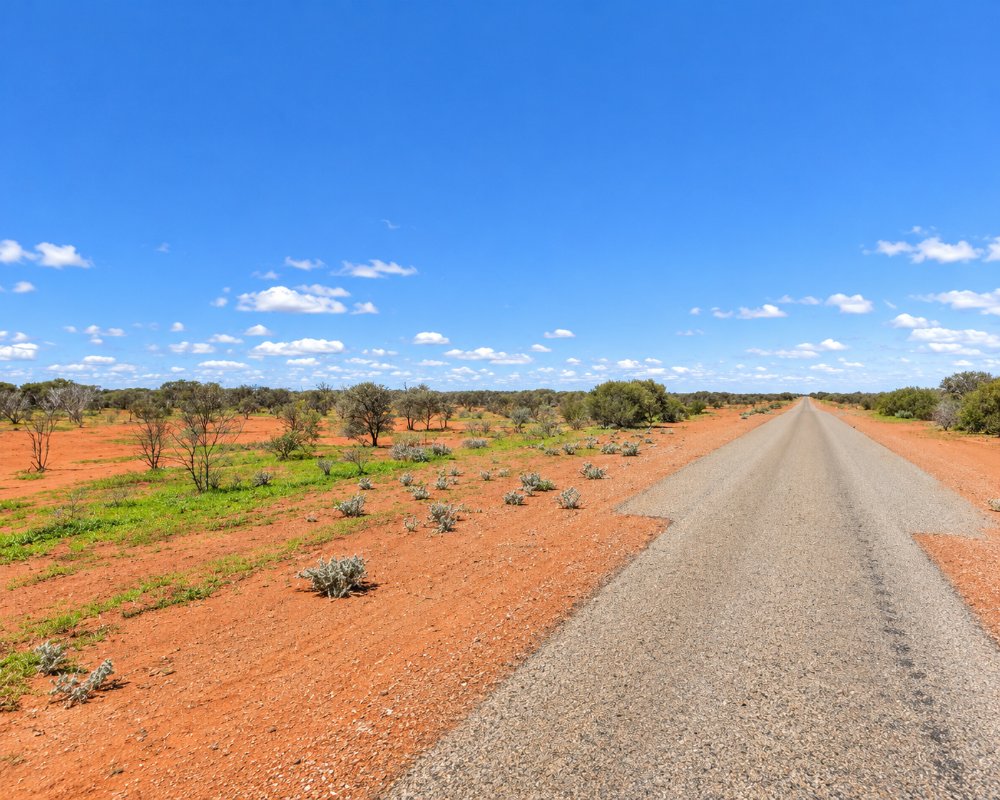
Boolardy is a former pastoral station in the Shire of Murchison, about 60 km east of the Murchison Settlement and about 195 km north-north-east of Pindar, and it now holds the CSIRO radio-astronomy observatory. The station and observatory are closed to the public, and the settlement, about 200 km north of Mullewa, is the base for the district.
Things To Do in and around Boolardy
The Observatory
Today, Boolardy is more than a historical landmark. It serves as the site for the Murchison Radio-astronomy Observatory, home to groundbreaking projects like the Square Kilometre Array (SKA). Now named Inyarrimanha Ilgari Bundara on Wajarri Yamaji country, the radio-quiet observatory (SKA-Low’s first image came in March 2025) is not open to visitors; CSIRO offers an online virtual tour.
The Wajarri name, Inyarrimanha Ilgari Bundara, means sharing sky and stars.
Wooleen Station and Lake
Because Boolardy Station itself is off-limits, the surrounding Murchison region is where visitors can actually explore. The nearby Wooleen Station is a prime example, providing visitors with eco-tourism experiences that include guided tours of the outback and a chance to witness sustainable land management in action.
Wooleen Lake is one of Australia’s few inland freshwater lakes, formed when movement on the Mount Narryer fault diverted the Murchison, Roderick and Sanford rivers. It covers about 5,500 hectares but fills only about once in ten years, and it is sacred to the Wajarri Yamaji. Access is for station guests or with a paid day pass, so ring first.
Murchison Settlement and Museum
The shire office was built at the settlement in 1966 and the roadhouse in 1985, and the settlement was gazetted in 1988. It has a small shire museum and an all-weather airstrip, and the Shire of Murchison calls itself the shire without a town.
Outback Landscapes and Stars
The rugged landscape surrounding Boolardy is a paradise for adventurers and photographers. Endless horizons, unique rock formations, and vibrant sunsets make it an ideal location for those looking to connect with nature. Stargazing here is unrivaled due to minimal light pollution, offering crystal-clear views of the Milky Way.
The shire’s GeoRegion trail links rock sites across the Murchison, including Errabiddy Bluff and Bilung Pool to the north and Walga Rock near Cue.
Where To Stay
Accommodation near Boolardy is limited but memorable. Wooleen Station offers charming options, including the restored Wooleen Homestead and eco-friendly rammed-earth guesthouses. These stays are designed to immerse visitors in the outback lifestyle without sacrificing comfort.
The Shire-run Murchison Oasis Roadhouse and Caravan Park at the Murchison Settlement is the nearest fuel and caravan park. The Carnarvon-Mullewa Road is now sealed from Mullewa to the settlement apart from a short gravel section, but gravel roads lie beyond, so carry fuel for long gaps, plenty of water and spares, and check the Shire of Murchison road report.
For those seeking a more rustic experience, camping facilities in the region allow travelers to truly embrace the remote wilderness. It’s an opportunity to unplug and reconnect with the simpler aspects of life.
There is nowhere to stay at Boolardy itself, and no mobile coverage. The Murchison Oasis Roadhouse and Caravan Park takes campers and caravans and has six motel rooms, three with ensuites; the shire asks travellers to phone or email ahead for sites, rooms and meals. Wooleen Station, Boolardy’s western neighbour, runs seasonal stays from April to October, with catered rooms in the 1918 homestead, two rammed-earth guesthouses and bush camping for self-sufficient vans and tents on the Murchison River.
To the south, Mullewa Caravan Park on Lovers Lane has powered sites, overflow camping, a camp kitchen and a laundry, and Meekatharra and Cue, far to the east on the Great Northern Highway, have caravan parks too.
Eat & Drink
Given the remoteness of Boolardy, dining options are few, but they offer authentic outback flavors. Wooleen Station provides hearty meals prepared with locally sourced ingredients, often served in communal settings that encourage mingling with fellow travelers.
Self-sufficiency is key when visiting Boolardy. Visitors are advised to bring essential supplies, as the nearest major towns are hours away. Planning ahead ensures a comfortable and enjoyable stay in this remote area.
The Murchison Oasis Roadhouse is the only shop for a long way, selling fuel, meals and basic groceries, and the shire asks that orders be phoned in first. It keeps longer hours in winter than in summer, and a 24-hour card bowser means you can fill up after hours. Otherwise stock up in Mullewa or Geraldton before heading north.
History
Boolardy Station, originally established in the 19th century, was a cornerstone of the pastoral industry in the Murchison district. Its heritage-listed homestead and outbuildings date back to the 1870s, standing as reminders of the region’s pioneering days. The station is now CSIRO land and closed to visitors, but its heritage-listed buildings have withstood the test of time.
Boolardy is Wajarri Yamaji country. Robert Austin’s 1854 expedition noted the grassy plains and the Ngatta water hole, and John Perks and Edward Wittenoom took up the first lease after exploring north of it in 1874; the run was first known as Gnatta Station. The homestead dates from the late 1870s and later served for years as the Murchison Road Board’s office, and the homestead group was added to the State Register in 2001. CSIRO bought the lease in 2009, grazing ended in 2014 and SKA-Low construction began in December 2022.
Getting to Boolardy
The Beringarra-Pindar Road runs through this district, but the Boolardy observatory site itself has no public access. A four-wheel-drive vehicle is strongly recommended due to the unsealed and often rough terrain. Travelers should check local conditions and ensure they have adequate fuel, water, and communication devices.
Perth to Mullewa is about 450 km on sealed roads, and the Carnarvon–Mullewa Road runs about 200 km north to the Murchison Settlement, now sealed apart from a short stretch. From there, gravel station roads run east, but there is no public access to Boolardy or the observatory. Check the Shire of Murchison road report, as roads close or carry weight limits after rain.
The journey to Boolardy is an adventure in itself, passing through striking landscapes that embody the essence of the Australian outback. This remoteness is part of the charm, offering a sense of escape and discovery rarely found in more accessible destinations.
Experiences
- Farm/Station
- Nature based
- Remote
Popular Activities
- Caravan and Camping
- Off Road Driving
- Outback
- Wilderness
About Boolardy
- State: Western Australia
- Region: Esperance & the Golden Outback
- Timezone: Australia/Perth
